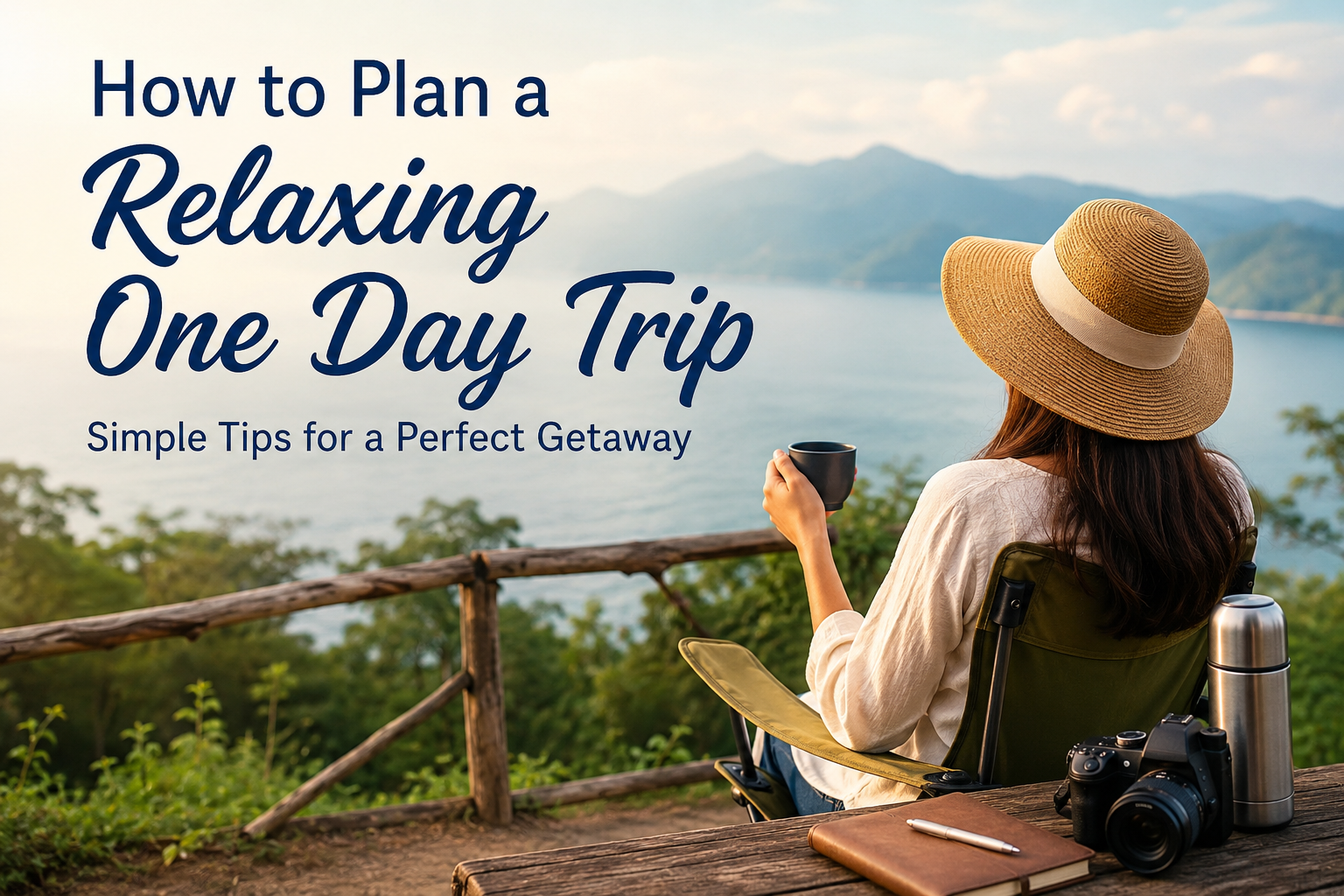
A one day trip can be one of the easiest ways to take a break from a busy routine. I personally believe that you do not always need a long vacation or an expensive hotel stay to feel refreshed. Sometimes, a simple day away from home is enough to clear your mind, enjoy nature, explore a new place, and return home with better energy.
The key is knowing how to plan a relaxing one day trip without making the schedule too crowded. When there are too many activities, long drives, and unnecessary stops, a peaceful trip can quickly become tiring. In my experience, the best one day trips are simple, flexible, and focused on enjoying the journey rather than trying to see everything.
Choose the Right Destination
The first step in planning a relaxing one day trip is choosing a destination that is easy to reach. I prefer places that do not require several hours of stressful travel each way. A nearby lake, quiet village, scenic viewpoint, beach, park, historic town, or nature area can be a great choice.
Before choosing a destination, I usually think about how much time I actually have. If the journey takes most of the day, there may not be enough time to relax. A destination within a reasonable driving distance is often better than a famous place that takes many hours to reach.
The purpose of a relaxing day trip is not simply to travel far. It is to enjoy a change of environment without creating unnecessary stress.
Decide What You Want From the Trip
Before planning activities, I like to ask myself one simple question: What do I want to feel at the end of the day?
If I want peace and quiet, I choose a natural destination where I can sit, walk, read, or enjoy the view. If I want a little adventure, I might choose a place with an easy hiking trail or outdoor activity. If I simply want to explore, I may visit a small town with interesting streets, local food, and cultural attractions.
Knowing your purpose makes planning much easier.
You do not need to fill every hour with activities. A relaxing one day trip should leave enough space for unexpected moments. Sometimes sitting under a tree with a cup of tea can be more enjoyable than visiting five attractions.
Check the Weather Before Leaving
Weather can have a major effect on a day trip. I always recommend checking the forecast before leaving home, especially when the trip involves outdoor activities.
If rain is expected, you can choose indoor attractions or change the destination. If it is going to be very hot, plan outdoor activities for the morning and keep the afternoon slower. During colder weather, comfortable clothing and warm drinks can make the experience much better.
Checking the weather also helps you pack properly. A small umbrella, extra layer, sunglasses, sunscreen, or comfortable shoes can make a big difference.
Plan a Simple Schedule
One of the biggest mistakes people make when planning a one day trip is creating an extremely busy schedule. They try to visit every attraction, eat at several restaurants, take hundreds of photos, and return home at a specific time.
I prefer a much simpler approach.
Choose one or two main things you really want to experience. Then leave plenty of free time between them. For example, you might arrive in the morning, have breakfast, explore a scenic location, enjoy lunch, take a relaxing walk, and spend the afternoon sitting somewhere peaceful before returning home.
A simple schedule gives you freedom. If you find a beautiful viewpoint or a quiet café, you can stay longer without worrying about missing the next activity.
Leave Early but Do Not Rush
Leaving early can make a one day trip feel longer because you have more time at your destination. It can also help you avoid busy roads and crowds.
However, there is a difference between leaving early and rushing. I would rather leave a little later and start the day calmly than wake up extremely early and feel exhausted before the trip even begins.
Prepare your clothes, food, documents, and other essentials the night before. This makes the morning much easier.
A calm start often sets the mood for the entire day.
Pack Light and Smart
For a relaxing day trip, you usually do not need a large bag. I recommend carrying only the things you are likely to use.
Some useful items include water, snacks, sunglasses, sunscreen, tissues, a phone charger, comfortable clothing, basic personal items, and any necessary medication. If you are spending time outdoors, a small towel or sitting mat can also be useful.
I also like carrying a reusable water bottle because it is convenient and helps reduce unnecessary plastic waste.
The goal is to be prepared without carrying your entire home with you.
Choose Comfortable Transportation
Transportation can make or break a relaxing day trip. If you are driving, make sure your vehicle is ready before you leave. Check the fuel level, tires, and basic travel requirements.
If public transportation is available, it can sometimes be a great option because you can relax instead of concentrating on traffic.
For longer drives, I recommend taking short breaks. Stretch your legs, drink some water, and enjoy the surroundings. The journey itself can become part of the experience instead of something you simply have to get through.
Bring Food You Actually Enjoy
Food is an important part of a day trip. You can either visit a local restaurant or prepare some food at home.
I personally enjoy taking a few simple snacks and a packed lunch when visiting outdoor destinations. Fresh fruit, sandwiches, nuts, homemade snacks, and cold drinks are easy options.
If you decide to eat at a local restaurant, consider trying something that the area is known for. Local food can become one of the most memorable parts of a short trip.
Do not make food planning complicated. The idea is to enjoy your meal, not spend the entire day thinking about where to eat next.
Spend Time in Nature
If your goal is relaxation, nature can be one of the best choices. A quiet park, forest, lake, garden, beach, or mountain viewpoint can provide a welcome break from screens and daily responsibilities.
I like taking slow walks and paying attention to simple things such as trees, birds, water, fresh air, and changing views. You do not need an intense outdoor activity to enjoy nature.
Even sitting quietly for twenty minutes can make a noticeable difference to how you feel.
Limit Your Phone Time
Phones are useful for navigation, photography, communication, and emergencies, but constantly checking notifications can take away from the experience.
During a relaxing one day trip, I try to reduce unnecessary screen time. I may take some photographs, check the map when necessary, and then put the phone away.
You do not need to document every moment. Sometimes it is better to experience a beautiful view directly instead of looking at it through a screen.
Taking a few meaningful photos is enough to remember the day.
Avoid Overcrowded Places When Possible
Crowds can make relaxation difficult. If your destination is extremely popular, consider visiting early in the morning or choosing a quieter location nearby.
You can also visit during a less busy day if your schedule allows.
I have found that smaller and less famous places can sometimes provide a better experience than major tourist attractions. A quiet local café, peaceful walking trail, or small viewpoint may not appear on every travel list, but it can become your favorite part of the trip.
Leave Room for Spontaneous Moments
A good one day trip does not need to follow a strict plan from beginning to end.
If you discover an interesting shop, beautiful road, peaceful park, or local food place, give yourself permission to stop. These unexpected moments can make a simple trip feel special.
Having a flexible plan is especially useful because traffic, weather, opening hours, and personal energy can change throughout the day.
Planning is important, but flexibility is equally important.
Know When to Head Home
One day trips can become exhausting if you stay out too late. I prefer starting the journey home while I still have enough energy.
Before leaving, check the expected travel time and allow some extra time for traffic or unexpected delays.
Returning home at a comfortable hour gives you time to relax, unpack, have dinner, and prepare for the next day.
The perfect ending to a relaxing day trip is arriving home feeling refreshed rather than completely exhausted.
Keep the Budget Simple
You do not need a large budget to enjoy a one day trip. In fact, keeping expenses under control can make the experience more enjoyable because you are not constantly worrying about money.
Plan transportation costs, food, entrance fees, parking, and a small amount for unexpected expenses.
Free attractions such as public parks, walking areas, viewpoints, beaches, and natural spaces can provide excellent experiences without costing much.
I believe the quality of a trip comes from the experience, not the amount of money spent.
Make the Day About Enjoyment
The most important part of planning a relaxing one day trip is remembering why you are going.
You are not trying to complete a challenge. You are taking a break from your normal routine.
Do not worry if you do not visit every attraction. Do not feel bad if you spend an hour doing absolutely nothing. Resting, talking with someone you care about, enjoying a meal, or watching the sunset can be the best parts of the entire day.
A relaxing trip should give you time to breathe and enjoy the present moment.
Final Thoughts
Learning how to plan a relaxing one day trip does not require complicated travel plans. Choose a destination that is reasonably close, decide what you want from the experience, check the weather, pack only what you need, and create a simple schedule with plenty of free time.
From my point of view, the best day trips are not necessarily the ones with the most activities. They are the ones where you return home with a clear mind, good memories, and the feeling that you actually had a break.
Whether you visit a nearby town, spend time beside a lake, explore a nature area, enjoy local food, or simply find a peaceful place to sit, a well planned one day trip can feel like a real vacation without requiring a long absence from everyday life.
Sometimes, all you really need is one free day, a good destination, and the decision to slow down.
Primary Keyword: How to Plan a Relaxing One Day Trip
Secondary Keywords: relaxing one day trip, one day trip ideas, day trip planning, relaxing day trip ideas, how to plan a day trip, simple day trip planning, peaceful day trip, one day travel tips
Suggested Meta Description: Learn how to plan a relaxing one day trip with simple travel tips for choosing a destination, creating a flexible schedule, packing smart, saving money, and enjoying a stress free getaway.
Suggested URL Slug: how-to-plan-a-relaxing-one-day-trip