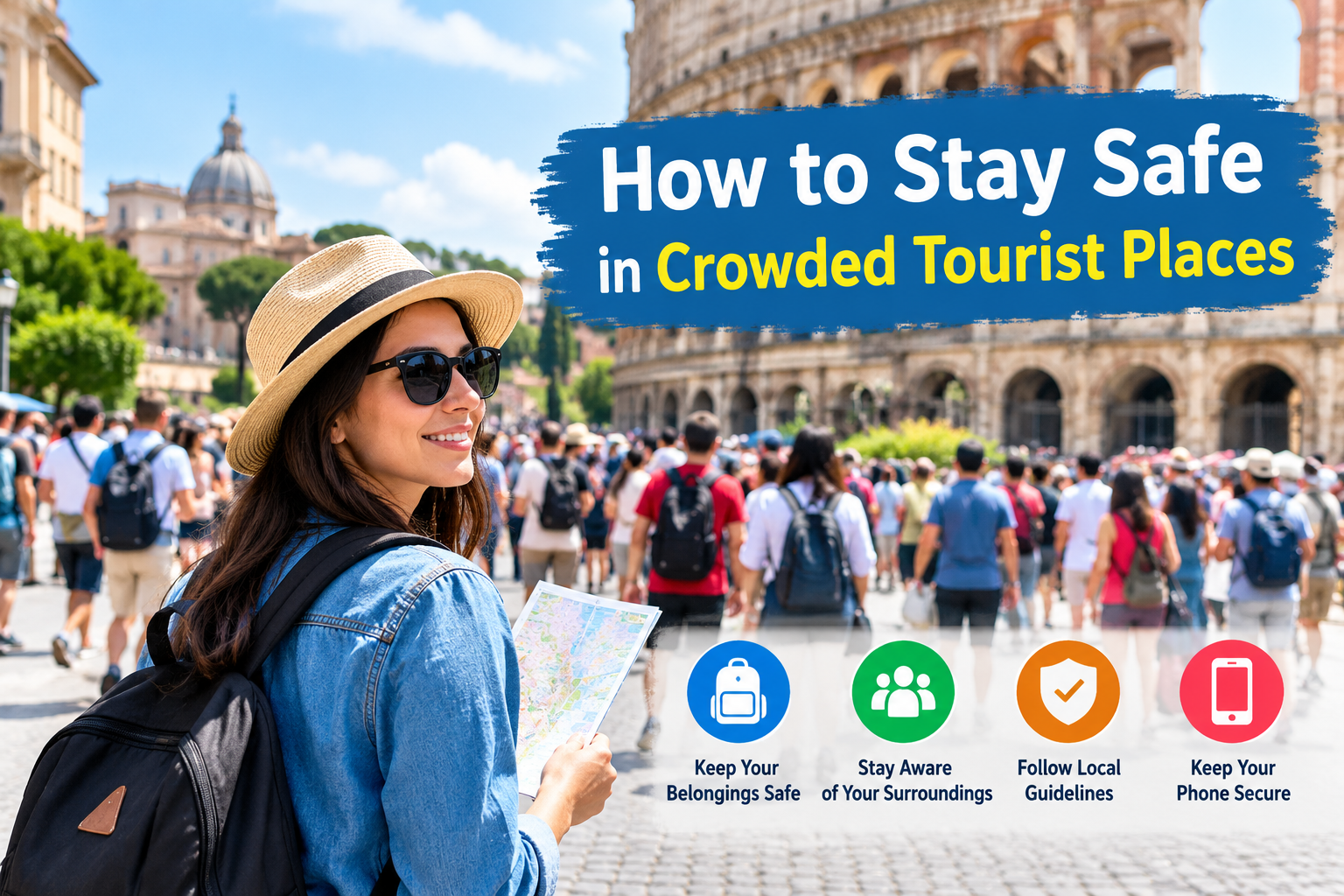
Traveling to popular tourist destinations can be one of the most exciting experiences. I personally enjoy visiting busy places because they often have a lively atmosphere, beautiful sights, local food, shopping areas, and plenty of things to explore. However, crowded tourist places also require a little extra attention. When thousands of people gather in one location, it becomes easier to lose personal belongings, get separated from your group, or become confused about where you are.
In my experience, staying safe while traveling does not mean being afraid of crowds. It simply means being prepared and paying attention to your surroundings. A few simple habits can make a big difference and allow you to enjoy your trip with greater peace of mind.
Keep Your Important Belongings Secure
One of the first things I focus on in a crowded tourist place is keeping my important belongings secure. Your passport, wallet, phone, identification documents, and money should never be left in an easily accessible pocket.
I prefer keeping valuable items in a secure bag that stays close to my body. If I am carrying a backpack, I make sure the important items are placed in an inside compartment rather than an outside pocket.
Avoid putting your phone or wallet in a loose back pocket. Crowded streets, public transportation, markets, festivals, and busy attractions can make it difficult to notice what is happening around you.
I also recommend carrying only the things you actually need for the day. Leaving unnecessary valuables at your accommodation can reduce the amount of property you have to worry about.
Stay Aware of Your Surroundings
One of the simplest travel safety tips is to remain aware of what is happening around you. This does not mean constantly looking over your shoulder. It means avoiding distractions when you are walking through a busy area.
For example, I try not to walk while completely focused on my phone. Looking at a map is sometimes necessary, but I prefer stopping somewhere safe before checking detailed directions.
Being aware also helps you notice signs, exits, changes in the crowd, and people you are traveling with. When you are paying attention, it is easier to react calmly if something unexpected happens.
Plan Your Route Before Entering a Busy Area
Before visiting a popular attraction, I like to check the general route and understand where I need to go. This is especially helpful when visiting large markets, historic centers, transportation stations, amusement parks, or major landmarks.
Save the address of your accommodation on your phone and know the name of the nearest major street or landmark. If your phone battery becomes low or your internet connection stops working, having this basic information can be extremely useful.
I also recommend checking the location of entrances, exits, information desks, restrooms, and transportation points when you arrive.
Keep Your Phone Secure
Your phone is one of the most useful things you carry while traveling. It contains maps, reservations, photographs, payment information, contacts, and other important details.
For this reason, keeping your phone secure should be part of your travel safety routine. Avoid placing it loosely on restaurant tables near busy walkways. When you are finished using it, put it somewhere secure.
I also recommend using a strong screen lock and keeping important accounts protected. Before traveling, make sure you know how to locate or lock your phone remotely if it becomes lost.
A portable charger can also be useful. A dead phone can make navigation and communication much more difficult.
Be Careful With Your Passport
Your passport is usually one of the most important documents you have during international travel. Losing it in a crowded tourist destination can create unnecessary stress.
I prefer keeping my passport in a secure location rather than carrying it loosely in a bag. When you do need to carry it, keep it somewhere protected from accidental loss or unauthorized access.
It is also sensible to keep a secure copy of important travel documents. A copy does not replace the original passport, but it can provide useful information if the original is lost.
Stay Together When Traveling With Others
If you are traveling with family or friends, crowded places can make it surprisingly easy to become separated.
Before entering a busy area, choose a meeting point in case someone gets separated from the group. The meeting point should be easy to recognize and preferably located somewhere safe.
I also find it helpful to make sure everyone knows the name of the accommodation and has the phone numbers of the other travelers.
For children, this becomes even more important. Teach them what to do if they cannot find you. Depending on their age, you can teach them to approach an appropriate official, security employee, information desk, or another trusted authority for assistance.
Choose Comfortable Clothing and Footwear
Safety is not only about protecting your belongings. Physical comfort also matters when visiting crowded tourist destinations.
Busy attractions often involve a lot of walking and standing. Comfortable shoes can help you move safely through crowded streets and uneven surfaces.
I also prefer clothing that allows me to move comfortably and keeps important belongings secure. Depending on the destination and weather, carrying a light layer or rain protection can also be useful.
When you are comfortable, you are more likely to stay calm and pay attention to your surroundings.
Be Careful Around Street Performances and Sudden Crowds
Tourist destinations often have street performers, musicians, vendors, demonstrations, and other activities that naturally attract crowds. These experiences can be enjoyable, but they can also make people stop suddenly and create tightly packed areas.
Whenever I see a large group forming quickly, I become a little more careful with my belongings. I avoid leaving my bag unattended and make sure my phone and wallet are secure.
If a crowd becomes uncomfortable or extremely congested, moving toward a less crowded area is usually a sensible choice.
Use Official Transportation
Transportation areas can become very busy in tourist destinations. When possible, use official taxis, recognized transportation services, public transportation, or clearly marked transportation points.
Before getting into a taxi or other service, check the basic details such as the destination and expected fare when appropriate.
I also recommend being cautious when strangers suddenly offer transportation, tickets, tours, or other services. Not every person offering help has bad intentions, but using official services can reduce unnecessary problems.
Avoid Showing Large Amounts of Cash
Carrying some cash can be useful when traveling, especially in places where small businesses do not accept cards. However, there is usually no reason to display a large amount of money in a crowded location.
I prefer carrying a reasonable amount for the day and keeping additional funds stored securely.
When paying for something, take out only what you need and put your wallet away afterward. This simple habit can help you avoid drawing unnecessary attention.
Pay Attention to Your Surroundings at Night
Some tourist destinations are perfectly active after dark, while others become much quieter. Before going out at night, I recommend learning about the area and choosing well used routes.
Stay in areas with reasonable activity and lighting when possible. If you are unfamiliar with the destination, avoid wandering into isolated streets simply because they appear to offer a shorter route.
If you are traveling with others, staying together at night can also make the experience easier and more comfortable.
Know Where to Get Help
Before visiting a major attraction, I like to know where the information desk or security area is located. This can save time if you lose something or need assistance.
It is also useful to know the local emergency number when traveling internationally. Save important contact information before leaving your accommodation.
If you lose your passport, wallet, or phone, try to stay calm. Retrace your recent steps if it is safe to do so and contact the appropriate local authority or service as soon as possible.
Do Not Let Safety Ruin Your Trip
One thing I have learned from traveling is that safety should support your experience rather than control it. You do not need to spend your entire trip worrying about what could go wrong.
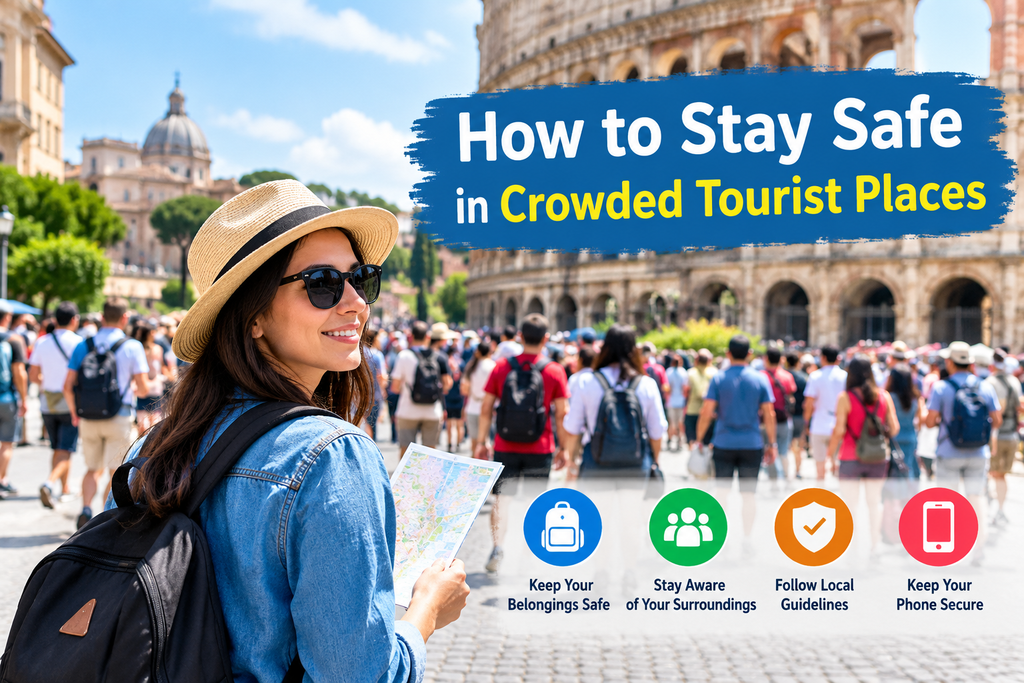
The goal is simply to develop a few good habits. Keep your valuables secure, stay aware, plan your route, protect your phone and passport, stay together with your group, and use common sense.
Crowded tourist places can be some of the most memorable parts of a trip. With a little preparation, you can enjoy the atmosphere while reducing many common travel problems.
Final Thoughts
Knowing how to stay safe in crowded tourist places is an important part of smart travel. Popular destinations naturally attract large numbers of visitors, and crowds can create situations where small mistakes become bigger problems.
From my point of view, preparation is the easiest form of travel safety. Before leaving your accommodation, secure your important belongings, charge your phone, check your route, and think about where you will meet your group if you become separated.
Once you develop these habits, staying safe becomes a normal part of your travel routine. You can then spend more time enjoying the destination, taking photographs, trying local food, meeting people, and creating memories without unnecessary stress.
The most important thing is to stay calm, stay aware, and use practical judgment. You do not have to avoid crowded tourist places. You simply need to know how to handle them responsibly.
Primary Keyword: How to Stay Safe in Crowded Tourist Places
Secondary Keywords: tourist safety tips, crowded tourist places, travel safety tips, safe travel habits, tourist safety, crowded places while traveling, travel precautions
SEO Meta Description: Learn how to stay safe in crowded tourist places with simple travel safety tips for protecting your belongings, phone, passport, money, and travel group.