
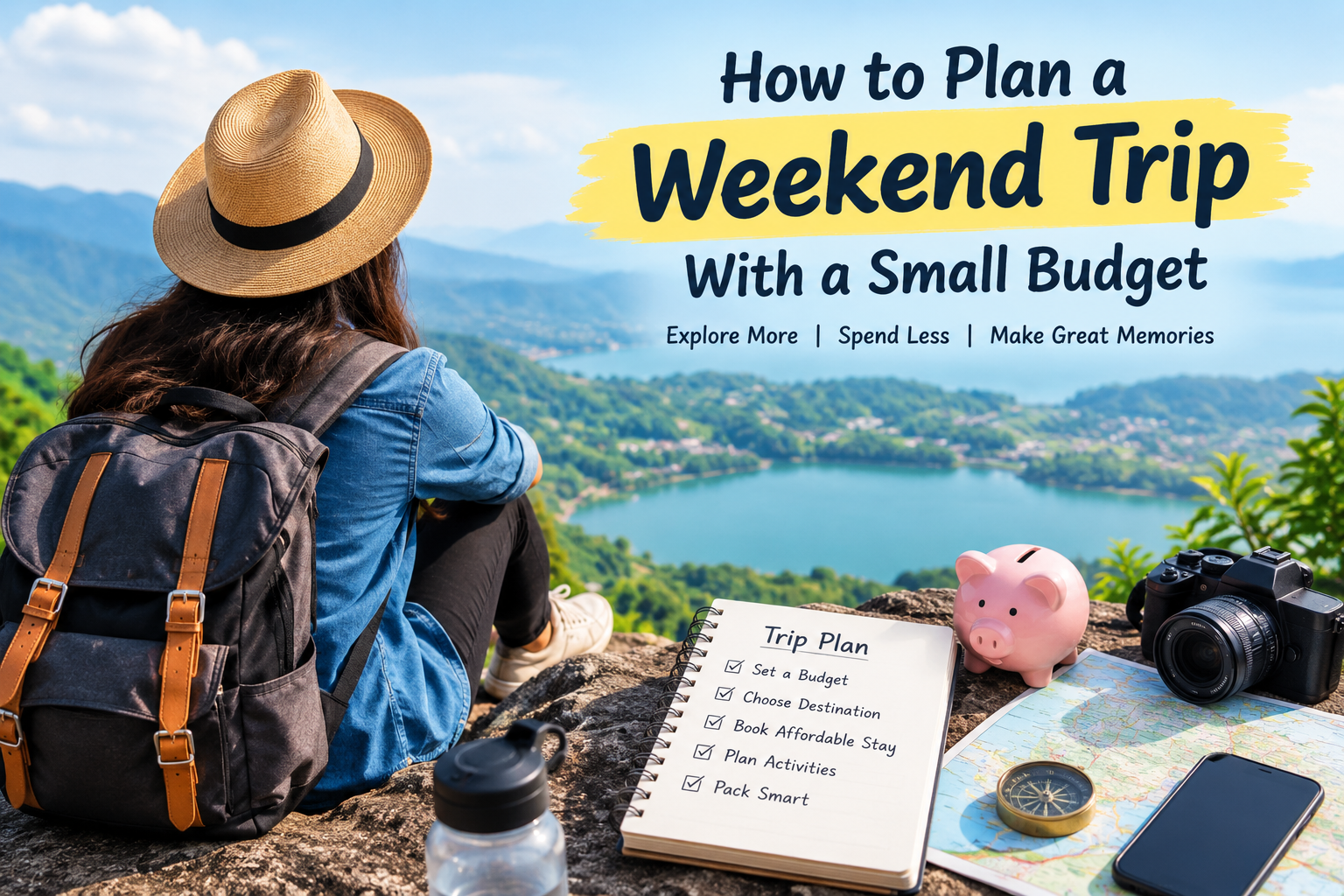
Planning a weekend trip does not always require a large amount of money. In my experience, a short trip can be one of the best ways to take a break from a busy routine without putting too much pressure on your wallet. The key is not to spend more. The key is to plan better.
A weekend trip gives you limited time, so choosing the right destination, transportation, accommodation, food, and activities can make a big difference. When I plan a trip with a small budget, I always try to decide where my money is most important and where I can save without making the experience uncomfortable.
In this guide, I will share how I approach planning an affordable weekend trip and how you can enjoy your short vacation while keeping your expenses under control.
Start With a Clear Travel Budget
The first thing I recommend is deciding exactly how much you can afford to spend. A small travel budget becomes much easier to manage when you have a fixed limit.
For example, you might decide that your complete weekend trip budget is $100, $150, or another amount that works for you. Once you know the limit, divide it into different categories such as transportation, accommodation, food, activities, and emergency expenses.
I personally like to keep a small amount aside for unexpected costs. You may find a cheaper hotel or affordable restaurant, but there can still be expenses you did not expect.
Having a budget before you start booking also prevents unnecessary spending. Instead of asking whether something looks attractive, you can ask whether it fits your travel budget.
Choose a Nearby Destination
One of the easiest ways to plan a weekend trip on a small budget is to travel somewhere close to home. You do not always need to travel several hours or visit another country to have a memorable experience.
Look for nearby cities, towns, lakes, parks, historical places, beaches, mountains, or countryside destinations. A place that is only a few hours away can provide enough activities for an enjoyable weekend.
The closer the destination, the more you can potentially save on transportation. You will also spend less time traveling and more time enjoying your trip.
When I am planning a short vacation, I prefer destinations that can be reached without complicated transportation. This keeps both the cost and the stress lower.
Compare Transportation Options
Transportation can quickly consume a large part of a small travel budget. That is why I always compare different options before making a decision.
Depending on your destination, you might have several choices including buses, trains, shared rides, or your own car. The cheapest option is not always the best option, so consider both price and travel time.
If you are traveling with friends or family, sharing transportation costs can make the trip more affordable. For example, several people traveling in one car can divide fuel and parking costs.
If public transportation is available and reliable, it can also be a good choice for budget travel. Booking tickets early may sometimes help you find better prices.
Travel During Less Busy Times
The timing of your weekend trip can affect the total cost. Popular weekends, holidays, and major local events can increase prices for hotels and transportation.
If your schedule is flexible, consider traveling during a quieter weekend. You may find better accommodation prices and fewer crowds.
I also think traveling early in the morning or returning later in the evening can sometimes help you make better use of your weekend. The goal is to get more value from the time and money you have available.
Before choosing your dates, check whether there are major events or holidays at your destination. A little research can help you avoid unexpectedly high prices.
Find Affordable Accommodation
Accommodation is another major part of a weekend travel budget. Fortunately, you do not always need an expensive hotel.
Compare different types of accommodation and look for places that offer the basic facilities you actually need. If you plan to spend most of your weekend exploring, you may not need a luxury room with expensive extras.
I usually focus on important things such as cleanliness, safety, location, and reasonable reviews. A simple and comfortable room can be enough for a short trip.
You can also consider staying slightly outside the busiest tourist area if transportation is convenient. Hotels in popular central locations can sometimes cost considerably more.
Always check the complete price before booking because taxes, service charges, parking fees, or other costs can change the final amount.
Plan Your Meals Before Traveling
Food is an area where travelers can easily spend more than expected. When I am traveling on a small budget, I try to plan my meals instead of eating at expensive restaurants every time.
Research affordable restaurants, local food places, markets, and cafes before your trip. Local food can often give you a great experience without requiring a large budget.
If your accommodation provides breakfast, take advantage of it. You can also carry simple snacks and a reusable water bottle during your activities.
This does not mean you should avoid restaurants completely. I believe enjoying local food is part of traveling. The idea is simply to balance your spending.
For example, you could have a reasonably priced breakfast, enjoy local food for lunch, and choose a simple dinner instead of eating at an expensive tourist restaurant.
Choose Free or Low Cost Activities
A great weekend trip does not have to be filled with expensive activities. Many destinations have free attractions that can make your trip memorable.
Look for public parks, walking areas, beaches, viewpoints, historical streets, local markets, museums with free entry days, and outdoor attractions.
Before traveling, make a list of activities you want to experience and check their prices. Choose one or two paid activities that are genuinely important to you and fill the rest of your schedule with free or low cost experiences.
In my opinion, simply walking around a new place can sometimes be more enjoyable than paying for several tourist attractions. You can discover local shops, architecture, food, scenery, and everyday life without spending much money.
Create a Simple Weekend Itinerary
Having a basic itinerary can help you control your spending and use your time wisely.
You do not need to plan every minute. Instead, decide what you want to do each morning, afternoon, and evening.
For example, your Saturday could include breakfast, a free walking tour, lunch at an affordable restaurant, a park visit, and an evening activity. Sunday could include breakfast, a local market, one paid attraction, lunch, and your journey home.
A simple plan also helps prevent unnecessary transportation costs. If several attractions are close together, visit them on the same day rather than traveling back and forth.
Pack Smart Before Leaving
Packing properly can save money during a weekend trip. I always recommend making a basic packing list before leaving home.
Carry suitable clothes, comfortable shoes, personal items, chargers, medication if needed, a reusable water bottle, and simple snacks.
Think about what you will actually need for two or three days. Overpacking can make transportation more difficult, while forgetting basic items can force you to buy replacements at higher tourist prices.
Small preparations can make a surprisingly big difference to your overall travel budget.
Avoid Unnecessary Shopping
Shopping can easily destroy a carefully planned travel budget. When I travel, I try to decide beforehand how much I am willing to spend on souvenirs and personal purchases.
You do not need to buy something from every shop you visit. Take photographs, enjoy the experience, and only purchase things that you genuinely want.
If you want souvenirs, set a specific amount aside in your budget. Once that money is finished, stop shopping.
This simple rule helps keep your travel expenses under control.
Keep an Emergency Amount
Even when you plan everything carefully, unexpected expenses can happen.
Your transportation could be delayed, you might need to buy something important, or an activity could cost more than expected. This is why I never recommend spending every dollar of your travel budget.
Keep a small emergency amount separate from your normal spending money. Treat it as money you do not plan to use unless something unexpected happens.
This gives you peace of mind and makes the trip less stressful.
Track Your Spending During the Trip
One simple habit that can help with budget travel is tracking your expenses.
You can use your phone notes, a spreadsheet, or a simple budgeting application. Record your transportation, food, accommodation, activities, shopping, and other purchases.
You do not have to make the process complicated. Even writing down each expense can help you understand where your money is going.
If you notice that you are spending more than planned on food, you can reduce your spending later in the day. Small adjustments can keep your weekend trip within budget.
Make the Most of Your Weekend
Since a weekend trip is short, I think the best approach is to focus on quality rather than quantity.
You do not need to visit ten attractions in two days. Choose a destination you actually want to experience and enjoy it without constantly worrying about checking everything off a list.
Spend time outdoors, try local food, take photographs, explore interesting places, and give yourself enough time to relax.
For me, a successful budget trip is not about spending the least possible amount. It is about getting the best experience from the money I have available.
Final Thoughts
Planning a weekend trip with a small budget is completely possible when you make smart decisions before leaving home. Start with a realistic travel budget, choose a nearby destination, compare transportation options, find affordable accommodation, plan your meals, and look for free or low cost activities.
I also recommend keeping an emergency amount and tracking your spending throughout the trip. These simple habits can prevent small expenses from becoming a major problem.
Most importantly, remember that travel is about the experience, not how much money you spend. A simple weekend away can give you new memories, beautiful photographs, and a refreshing break from your normal routine.
With careful planning, even a small budget can take you somewhere interesting. You do not have to wait until you have a lot of money to start exploring. Sometimes the best weekend adventure is the one you plan with a little creativity and a realistic budget.