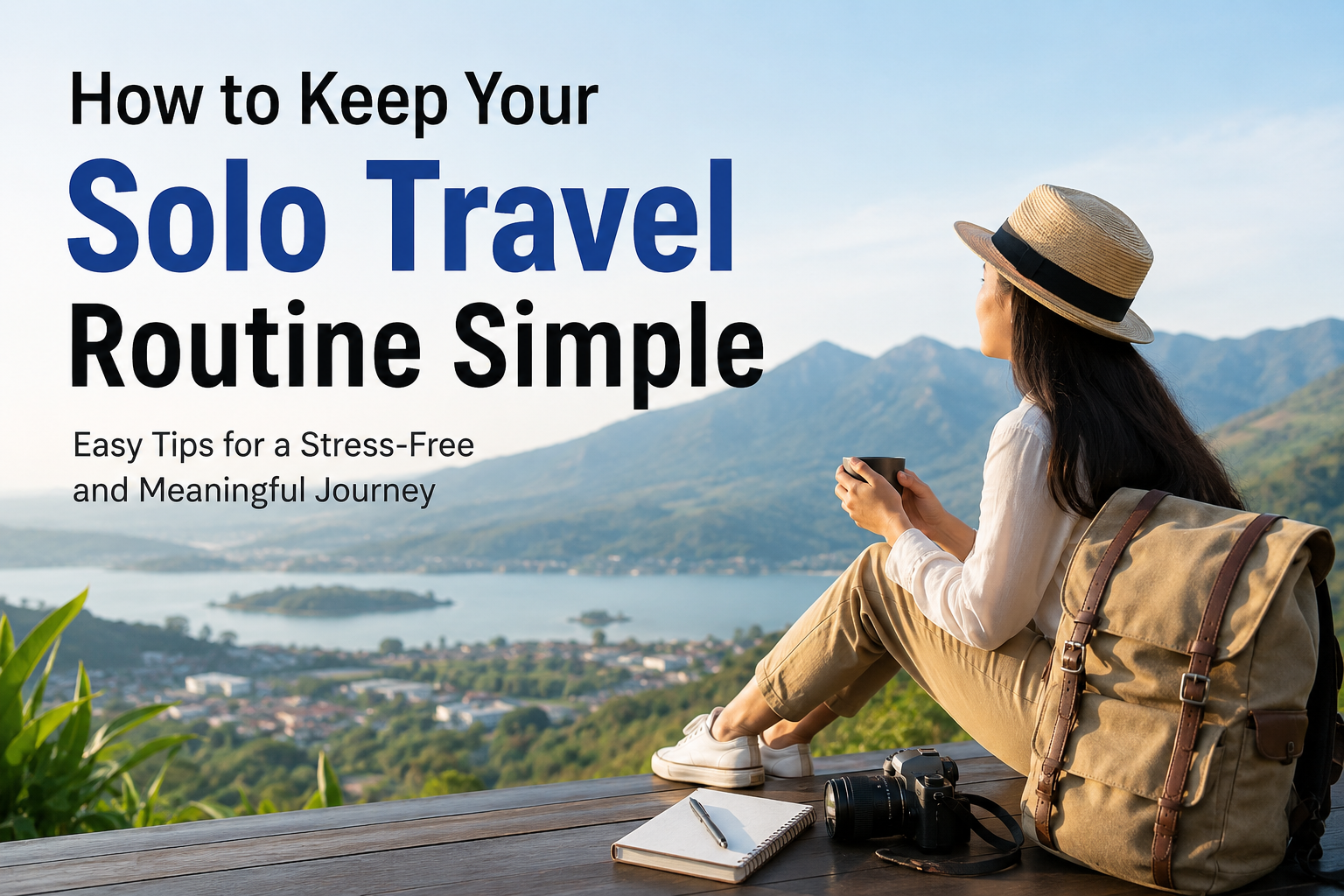
Solo travel can be one of the most rewarding experiences in life. When I travel alone, I enjoy having the freedom to decide where I want to go, what I want to eat, and how I want to spend my time. However, I have also learned that planning every minute of a trip can take away some of the excitement.
The idea behind simple solo travel is not to ignore planning completely. It is about finding a comfortable balance between preparation and freedom. I like to have the important things ready before leaving, while keeping enough space in my schedule for unexpected experiences.
In this article, I will share how I approach traveling alone without overplanning everything and how you can create a relaxed, flexible, and enjoyable solo trip.
Why Overplanning Can Make Solo Travel Stressful
When we travel to a new place, it is natural to research everything. We want to know the best restaurants, famous attractions, transportation options, hotels, opening hours, and activities. Research can be helpful, but too much planning can create unnecessary pressure.
If every hour of the day is scheduled, you may feel like you are following a work routine instead of enjoying a vacation. You may also miss interesting places simply because they were not included in your original plan.
I believe solo travel should give you the freedom to change your mind. If you wake up tired, you should be able to enjoy a slow morning. If you discover an interesting neighborhood, you should have enough time to explore it.
Plan the Important Things First
The best way to avoid overplanning is to focus on the things that actually need preparation.
Before I travel alone, I usually make sure I have my transportation, accommodation, important documents, basic budget, and essential safety information ready. These are the things that can cause serious problems if they are ignored.
Once these important details are handled, I do not feel the need to plan every small activity.
For example, I may know which city I am visiting and where I am staying, but I do not need to decide exactly where I will have lunch three days from now. I can make that decision when I am there.
This approach makes solo travel much more flexible.
Choose a Few Main Activities
One mistake I often see travelers make is trying to visit everything in a short period. This can make a trip exhausting.
Instead, I prefer choosing a few important things that I genuinely want to experience.
For example, if I am visiting a city for three days, I might choose one major attraction, one local area to explore, and one activity that interests me. Everything else can remain flexible.
This gives me direction without making the entire trip feel scheduled.
If something unexpected happens, I can change my plans without feeling like I am missing something important.
Leave Empty Time in Your Schedule
Empty time may seem unproductive when you are planning a vacation, but I think it is one of the most valuable parts of solo travel.
I like leaving several hours open during the day. Sometimes I use that time to walk around, sit in a cafe, take photographs, visit a small shop, or simply rest.
These unplanned moments can become some of the best memories from a trip.
When you travel alone, you do not have to worry about another person waiting for you. You can spend an hour watching the sunset or walking through a quiet street if that is what you feel like doing.
Research Your Destination Without Creating a Strict Schedule
Research is still important for solo travel. The difference is how you use that information.
I recommend researching the basic facts about your destination before you leave. Learn about the local transportation system, general safety situation, weather, cultural expectations, popular areas, and useful locations.
You can also save a few restaurants, attractions, cafes, and places that interest you.
However, saving a place does not mean you have to visit it.
I like thinking of my saved places as options rather than obligations. If I am nearby and have time, I can visit them. If I am not interested that day, I can simply skip them.
Keep Your Accommodation Plans Simple
Accommodation is one area where I prefer to have a clear plan, especially when traveling alone.
I usually want to know where I am staying before arriving at the destination. Having a confirmed place to sleep gives me peace of mind and makes the first day easier.
At the same time, I do not always need to choose accommodation in the middle of a complicated itinerary.
A comfortable and convenient location can be more important than having the most luxurious place. When I stay somewhere with easy access to transportation, food, and basic services, I have more freedom to explore without spending too much time moving around.
Do Not Try to See Everything
One of the biggest lessons I have learned from traveling is that you cannot see everything.
Every destination has dozens of attractions, restaurants, markets, museums, parks, and neighborhoods. Trying to experience all of them can quickly turn a relaxing trip into a race.
Instead, I focus on quality rather than quantity.
If I really enjoy one location, I would rather spend more time there than rush to another attraction just because it was on my list.
Solo travel gives you the perfect opportunity to slow down. You can choose experiences based on your interests instead of following a standard tourist schedule.
Give Yourself Permission to Change Plans
A flexible mindset is one of the most important parts of traveling alone.
Sometimes the weather changes. Sometimes a place is closed. Sometimes you discover that an attraction is not as interesting as you expected. Other times, you may simply wake up and want to do something completely different.
I have found that changing plans does not mean the trip is going wrong.
In fact, flexibility can make a trip better.
If your original plan was to visit several attractions but you discover a beautiful local market, allow yourself to explore it. If you planned a busy afternoon but feel tired, take a break.
Your travel plan should support your experience, not control it.
Use a Simple Daily Travel Routine
A basic routine can make solo travel easier without making it restrictive.
I like starting the day by deciding what I want to accomplish. Instead of creating a detailed schedule, I choose one or two priorities.
For example, I might decide that I want to visit a specific attraction and explore the surrounding area. After that, I can decide what to do based on my mood and available time.
This simple approach helps me stay organized while still enjoying spontaneity.
Keep a Flexible Travel Budget
Money is another important part of solo travel planning.
I recommend creating a general daily budget before your trip. You do not need to predict every meal, coffee, ticket, or small purchase.
Instead, decide how much you can comfortably spend each day and keep some extra money available for unexpected expenses.
A flexible travel budget allows you to make choices during your trip without constantly calculating every small expense.
It also helps you avoid the stress of spending too much early in the journey.
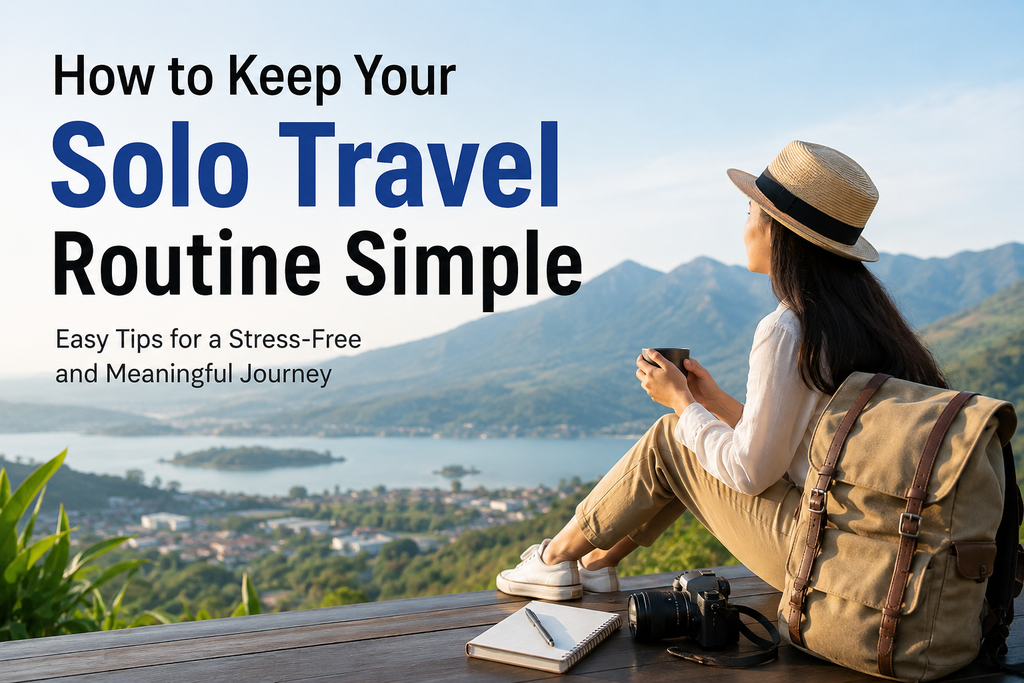
Pack Only What You Really Need
Overpacking can make solo travel more difficult.
When you are traveling alone, you are responsible for carrying and organizing everything yourself. A heavy suitcase can become annoying when you are changing transportation or walking through a busy area.
I prefer packing practical clothing, basic toiletries, necessary electronics, important documents, and a few useful travel items.
Before putting something in my bag, I ask myself whether I will actually use it.
Packing light gives me more freedom and makes moving from one place to another much easier.
Stay Safe Without Becoming Anxious
Traveling without overplanning does not mean ignoring safety.
Before visiting a destination, I recommend learning basic safety information and knowing how to contact local emergency services if necessary. Keep your important documents secure and let someone you trust know your general travel plans.
I also prefer keeping my phone charged and carrying enough money for basic needs.
These simple precautions provide a safety foundation without requiring you to plan every possible situation.
The goal is to be prepared, not worried.
Talk to Local People
One of the best reasons to avoid overplanning is that you leave room for local experiences.
When I travel alone, I often learn about places through conversations. A local person may recommend a small restaurant, a quiet viewpoint, a beautiful walking route, or an interesting neighborhood that I would never find in a typical travel guide.
Of course, I always use common sense when accepting recommendations or meeting strangers.
Still, some of the most memorable travel experiences can come from simple conversations.
Enjoy the Freedom of Solo Travel
The biggest advantage of traveling alone is freedom.
You can wake up when you want. You can eat when you are hungry. You can spend an afternoon in a museum or skip it completely. You can change your plans without having to negotiate with anyone else.
This freedom is easier to enjoy when you do not fill every part of your trip with plans.
For me, the perfect solo travel experience has a basic structure but plenty of open space.
I know where I am staying. I know how I will get around. I know the main things I want to experience. After that, I allow the destination to surprise me.
Final Thoughts
Learning how to travel alone without overplanning everything can make solo travel more enjoyable and less stressful. You do not need a detailed schedule for every hour of your trip.
Focus on the important preparations, choose a few meaningful activities, leave empty time in your schedule, and stay open to unexpected experiences.
In my experience, the best solo trips are not always the ones with the longest list of attractions. They are often the trips where I have enough freedom to slow down, explore naturally, and make decisions based on how I feel.
Good planning gives you security, but flexibility gives you freedom. When you find the right balance between the two, traveling alone can become a much more relaxed and memorable experience.