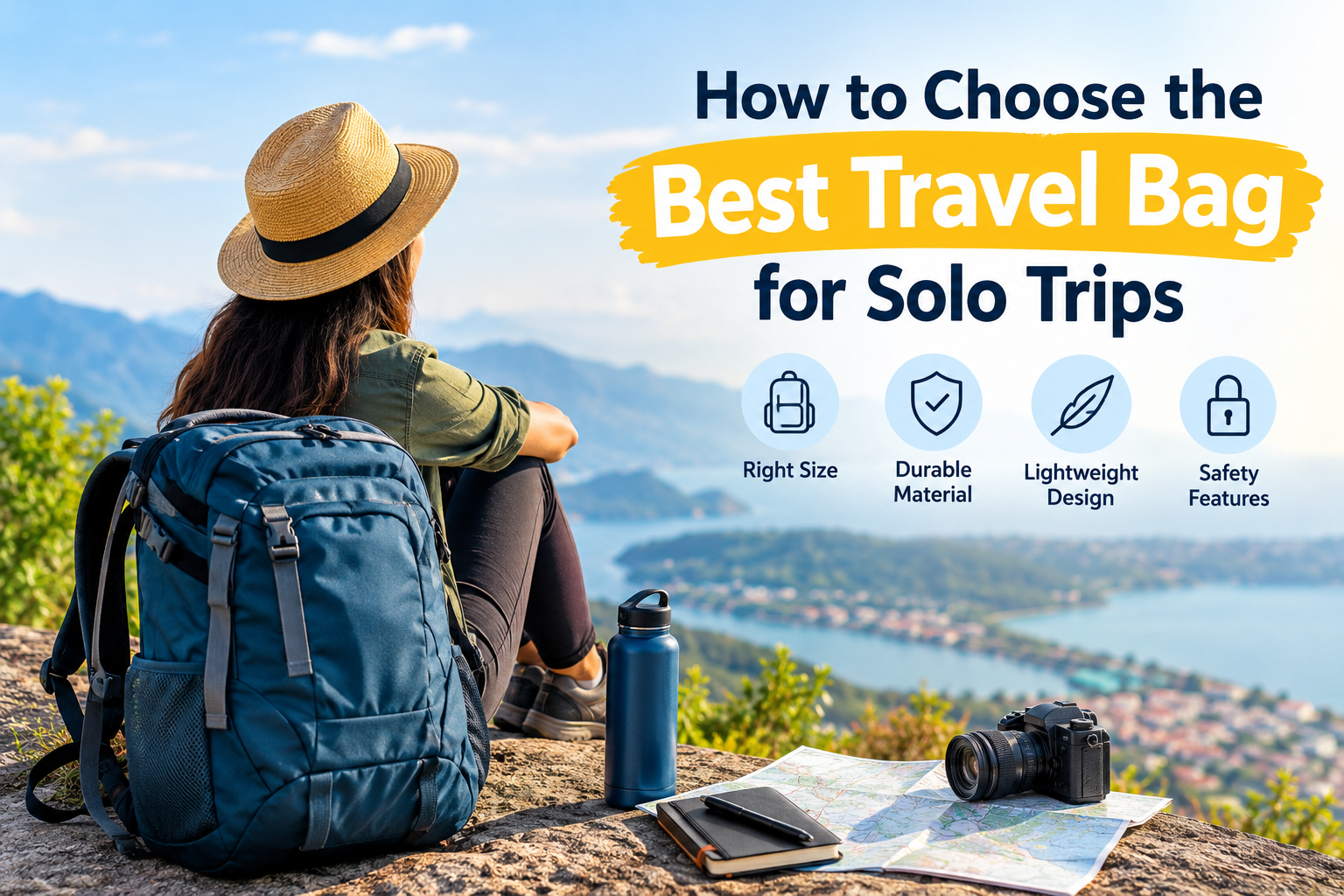
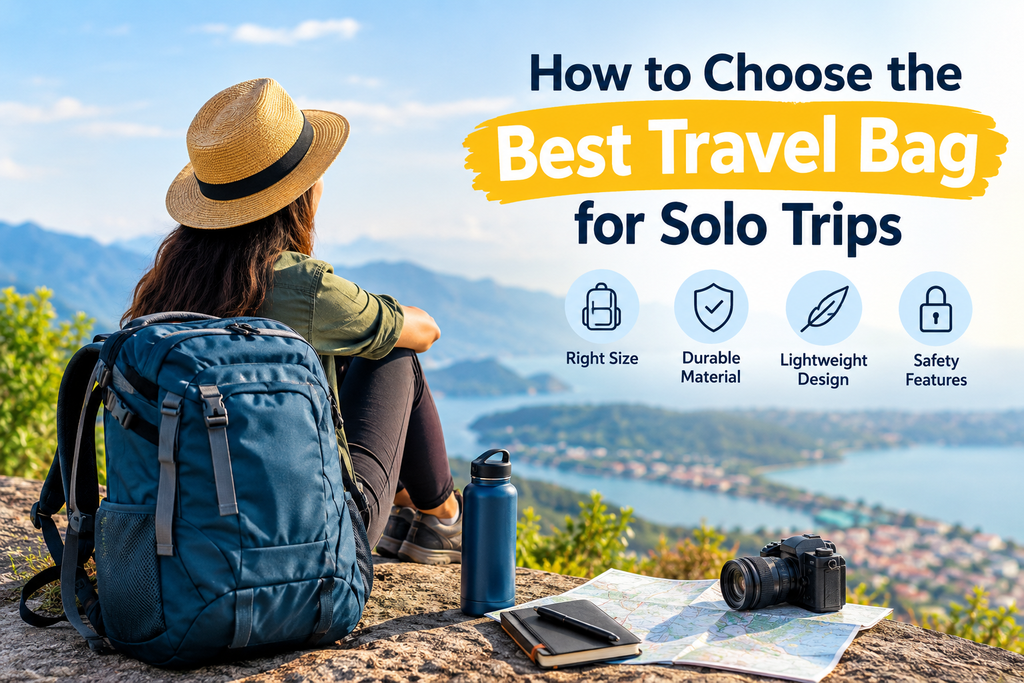
When I plan a solo trip, one of the first things I think about is my travel bag. A good travel bag can make the entire journey easier, while the wrong one can become a daily problem. When you are traveling alone, you have to manage your luggage yourself, move through airports and stations, walk around unfamiliar places, and sometimes carry your bag for long periods. Because of this, I believe choosing the right travel bag is just as important as planning your destination.
There are many types of travel bags available today. Backpacks, duffel bags, rolling suitcases, carry on bags, and hybrid travel bags all have different advantages. The best travel bag for solo trips depends on your destination, trip length, transportation, packing habits, and personal comfort.
In this guide, I will explain the main things I consider when choosing a travel bag so you can make a practical decision before your next adventure.
Think About Your Travel Style
Before buying a travel bag, I recommend thinking about how you normally travel. Everyone has different habits, and the bag that works perfectly for one person may not work well for another.
If you enjoy moving from one place to another, a travel backpack can be a great choice. It keeps both hands free and makes it easier to walk through busy streets, train stations, airports, and uneven roads.
If you usually stay in one hotel and travel mainly by car or taxi, a rolling suitcase might be more convenient. You do not have to carry the full weight on your back.
For travelers who like flexibility, a hybrid travel bag can also be useful. These bags often combine backpack straps with other carrying options.
In my opinion, your travel style should come before appearance. A bag may look attractive, but if it does not match the way you travel, it may not be comfortable.
Choose the Right Bag Size
Bag size is one of the most important things to consider when choosing a travel bag for solo trips.
A bag that is too small may force you to leave important items behind. A bag that is too large can encourage overpacking and become difficult to carry.
For a short weekend trip, a smaller travel backpack may be enough. For a trip lasting one or two weeks, you may need something with more storage space.
I personally prefer choosing a bag based on what I actually need rather than buying the biggest option available. Extra space can be tempting, but unused space often becomes an excuse to pack things that are not necessary.
Think about your clothing, shoes, toiletries, electronics, documents, and other essentials. Once you understand what you normally carry, choosing the right size becomes much easier.
Check the Weight of the Bag
One mistake travelers often make is focusing only on storage capacity and forgetting the weight of the empty bag.
When you travel alone, every kilogram matters. If your empty bag is already heavy, adding clothes, shoes, electronics, and other items can quickly make it uncomfortable.
A lightweight travel bag can make walking much easier. This is especially useful when you are changing hotels frequently or using public transportation.
However, I would not choose a bag simply because it is extremely light. The material should still be strong enough for regular travel.
The goal is to find a good balance between lightweight design and durability.
Look for Comfortable Shoulder Straps
If you choose a backpack, pay close attention to the shoulder straps.
Comfortable straps can make a major difference when you are carrying your bag for several hours. Look for straps with enough padding and an adjustable design.
A chest strap can also help distribute the weight more effectively. Some larger travel backpacks include a waist belt, which can reduce pressure on your shoulders by transferring some weight toward your hips.
Before buying a backpack, I recommend trying it on if possible. Put some weight inside and walk around with it. A bag that feels comfortable when empty may feel completely different when packed.
Consider the Material and Durability
Travel bags go through a lot. They can be placed on airport floors, pushed under seats, loaded into cars, exposed to rain, and handled roughly.
Because of this, durability is something I always consider.
Look for strong materials, reliable stitching, sturdy zippers, and reinforced areas. The quality of the straps and handles is also important because these parts receive a lot of stress.
Water resistant material can be helpful if you travel in areas where rain is common. However, remember that water resistant does not always mean completely waterproof.
I would rather spend money on a simple and durable travel bag than choose a cheaper bag that may need replacement after a few trips.
Think About Organization
Good organization can save you a surprising amount of time while traveling.
A travel bag with several useful compartments allows you to separate clothing, electronics, toiletries, documents, and smaller accessories.
I especially like having an easily accessible pocket for things that I need regularly. Passport, phone charger, wallet, headphones, and travel documents should not be buried underneath clothing.
However, too many compartments can also become confusing. I prefer a practical layout where every section has a clear purpose.
A well organized bag can make packing and unpacking much easier during a solo trip.
Check Laptop and Electronics Protection
Many travelers carry a laptop, tablet, camera, power bank, or other electronics.
If you plan to travel with electronics, look for a bag with a padded compartment. This can provide additional protection when the bag is moved around.
I also recommend keeping expensive electronics in a section that is not easily accessible to other people.
If photography is an important part of your trip, you may need a dedicated camera compartment or a separate protective case.
Your travel bag should not only hold your belongings. It should help protect the things that matter most.
Look for Security Features
Security becomes particularly important when you travel alone.
A bag with lockable zippers can provide an additional layer of protection. Hidden pockets can also be useful for storing important documents or emergency cash.
I would not depend entirely on the security features of a bag. Good travel habits are equally important. Keep your valuables close, avoid leaving your bag unattended, and stay aware of your surroundings.
Some modern travel bags also include RFID protected pockets. These can be useful for travelers who want additional protection for certain contactless cards and documents.
Consider Carry On Compatibility
If you are traveling by air, carry on compatibility can be extremely useful.
A bag that fits within your airline’s current cabin baggage limits can help you avoid checking luggage on some trips. This may save time at the airport because you can go directly to security when appropriate and avoid waiting for checked luggage after landing.
However, airline baggage rules can differ, so I always recommend checking the specific airline’s current requirements before traveling.
A travel bag designed around common carry on dimensions can be practical, but the actual size and weight restrictions should always be confirmed before your flight.
Choose a Bag That Is Easy to Access
Accessibility is another feature that I think is often overlooked.
Some travel backpacks open from the top like traditional backpacks. Others open more like suitcases, allowing you to see much more of the contents at once.
For longer trips, I find suitcase style opening particularly convenient because I do not have to remove everything just to find one item.
Think about how you normally pack and unpack. If you like keeping everything organized and easily visible, a wide opening may be better for you.
Consider Your Destination
Your destination should also influence your travel bag choice.
If you are visiting cities with smooth sidewalks and using taxis frequently, a rolling suitcase can work very well.
If you expect to walk through narrow streets, use trains, climb stairs, or move between different accommodations, a backpack may be more practical.
For outdoor destinations, durability and weather resistance may be more important.
For business travel, you may want a professional looking bag with space for a laptop and documents.
There is no single best travel bag for every destination. The best choice is the one that matches your specific trip.
Do Not Ignore the Zippers and Handles
Small components can determine how long a travel bag lasts.
Before buying, check the zippers carefully. They should move smoothly without feeling weak or getting stuck.
Also inspect the handles and attachment points. These areas receive significant pressure when you lift the bag.
A bag can have excellent material and a good design, but poor zippers or weak handles can still cause problems.
These details may seem minor when shopping, but they become very important when you are traveling.
Think About Your Budget
You do not always need the most expensive travel bag.
There are good options at different price levels. Instead of focusing only on the brand name, compare the materials, construction, comfort, storage, and features.
For occasional travelers, a reasonably priced durable bag may be perfectly suitable.
For frequent travelers, investing more in a quality travel bag may make sense because you will use it repeatedly.
I believe the best approach is to consider value rather than simply choosing the cheapest or most expensive option.
Avoid Overpacking
Even the best travel bag cannot solve an overpacking problem.
When traveling alone, I prefer packing versatile clothing that can be used for different situations. I also try to avoid carrying things that I might need but probably will not use.
Before leaving, I look at everything I have packed and ask myself whether each item is genuinely necessary.
A smaller bag can actually encourage better packing habits. When space is limited, you naturally become more selective.
Test Your Bag Before Your Trip
Once you choose your travel bag, do not wait until the airport to discover whether it is comfortable.
Pack it as you normally would and walk around with it. Check whether the straps feel comfortable and whether the weight is balanced.
Open every compartment and make sure you can reach important items easily.
If it is a rolling bag, test the wheels on different surfaces. If it is a backpack, adjust the straps until the weight feels comfortable.
A short test at home can prevent a lot of frustration during your trip.
Final Thoughts
Choosing the best travel bag for solo trips does not have to be complicated. In my view, the most important factors are size, weight, comfort, durability, organization, security, and suitability for your destination.
I would always choose practicality over appearance. A good travel bag should make your journey easier instead of creating another problem to manage.
Think about how you travel, what you normally pack, how much walking you expect to do, and what type of transportation you will use. Then choose a bag that fits those needs.
The right travel bag can give you more freedom during a solo trip because you know your belongings are organized, protected, and easy to carry. Once you find a bag that genuinely works for you, it can become one of the most useful pieces of travel gear you own.
If you are planning your next solo adventure, I believe spending a little time choosing the right travel bag is well worth it. It may seem like a small decision, but when you are carrying everything yourself, the right bag can make a very big difference.