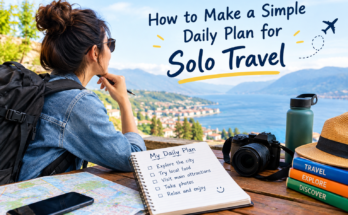
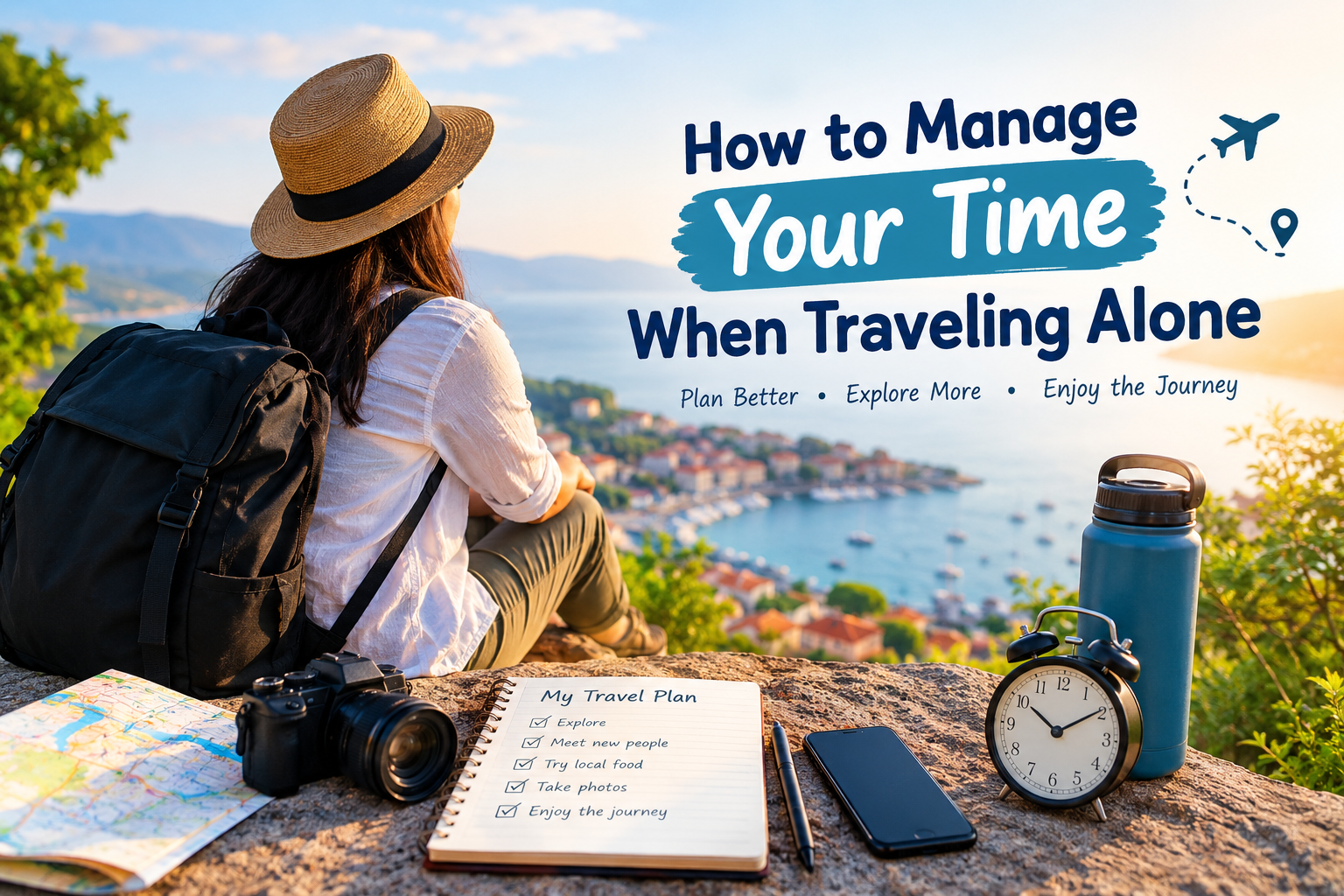
Traveling alone can be one of the most enjoyable experiences in life. You have the freedom to decide where to go, what to eat, when to wake up, and how long you want to stay at a particular place. However, having complete freedom can also make it difficult to manage your time. When there is nobody traveling with you, you are responsible for planning your day and making sure you do not waste too much time.
From my point of view, good time management can make a solo trip more enjoyable without making it feel stressful. I do not believe that every minute of a vacation needs to be planned. Instead, I prefer to have a simple structure that gives me enough time to explore while also leaving room for unexpected experiences.
Start With a Simple Travel Plan
Before starting a solo trip, I like to create a basic travel plan. I do not try to schedule every small activity because that can make the trip feel like work. Instead, I decide which places are most important to me and arrange them according to location and available time.
For example, if I want to visit several attractions in one city, I check which places are close to each other. Visiting nearby attractions on the same day can save transportation time and make the entire day easier.
A simple plan also helps me understand how much time I actually have. If I am traveling for three days, I can decide which activities belong on each day instead of trying to visit everything at once.
Choose Your Most Important Activities
One of the biggest mistakes I can make while traveling alone is trying to see everything. Every destination has many attractions, restaurants, markets, parks, museums, and other places to explore. Trying to visit all of them can quickly make a trip exhausting.
I recommend choosing two or three important activities for each day. These should be the experiences that I would regret missing.
After choosing the most important activities, I can add smaller activities around them. This approach gives me a clear direction while still allowing flexibility.
For example, if visiting a famous museum is my main goal for the morning, I can leave the afternoon open for walking around the area, having lunch, taking photographs, or discovering a local shop.
Wake Up at a Reasonable Time
Getting an early start can help me manage my time during a solo trip, but I do not think waking up extremely early is necessary every day. Traveling is also about enjoying a comfortable pace.
I usually try to wake up early enough to have breakfast and prepare for the day without rushing. Starting the morning calmly can make the rest of the day feel more organized.
If I have an important attraction to visit, getting there earlier can also help me avoid long lines and crowded areas. However, if there is nothing planned for the morning, I allow myself to sleep a little longer.
The key is finding a balance between using the day well and getting enough rest.
Group Activities by Location
Location is one of the most important factors in managing time while traveling alone. Moving from one side of a city to another several times in the same day can waste hours.
Before visiting a destination, I like to look at the map and identify attractions that are located near each other. I can then create a daily route that makes sense.
For example, I might visit a historical area in the morning, have lunch nearby, explore a market in the afternoon, and enjoy a viewpoint in the evening.
This simple method reduces unnecessary travel time and gives me more time to enjoy the actual destination.
Give Yourself Extra Travel Time
When traveling alone, I always think it is better to have extra time than to arrive late. Public transportation can be delayed, roads can become busy, and finding the correct location can sometimes take longer than expected.
If a journey normally takes thirty minutes, I prefer to leave some additional time instead of arriving exactly when I am supposed to.
This is especially important when catching a flight, train, or bus. Missing transportation can completely change the rest of a travel schedule.
Extra time also makes me feel less stressed because I know I have a small buffer if something unexpected happens.
Avoid Overplanning Your Day
Although planning is useful, overplanning can actually make solo travel less enjoyable. If I schedule every hour of the day, I may not have enough time to relax or enjoy unexpected opportunities.
One of the best things about traveling alone is having the freedom to change my plans.
Sometimes I may discover a beautiful street, an interesting cafe, or a local market that was not included in my original plan. If my schedule is too full, I may feel forced to leave instead of enjoying the moment.
For this reason, I prefer to leave some empty time in my daily schedule.
Use Morning Hours Wisely
I find that mornings can be very useful for activities that require more energy. After breakfast, I usually have more energy and patience for walking, sightseeing, and visiting popular attractions.
Morning hours can also be quieter in many destinations. This can make it easier to take photographs, explore comfortably, and enjoy the surroundings.
I prefer to complete important sightseeing activities earlier when possible. Then I can use the afternoon and evening for slower activities such as shopping, eating, relaxing, or walking.
Set Time Limits for Activities
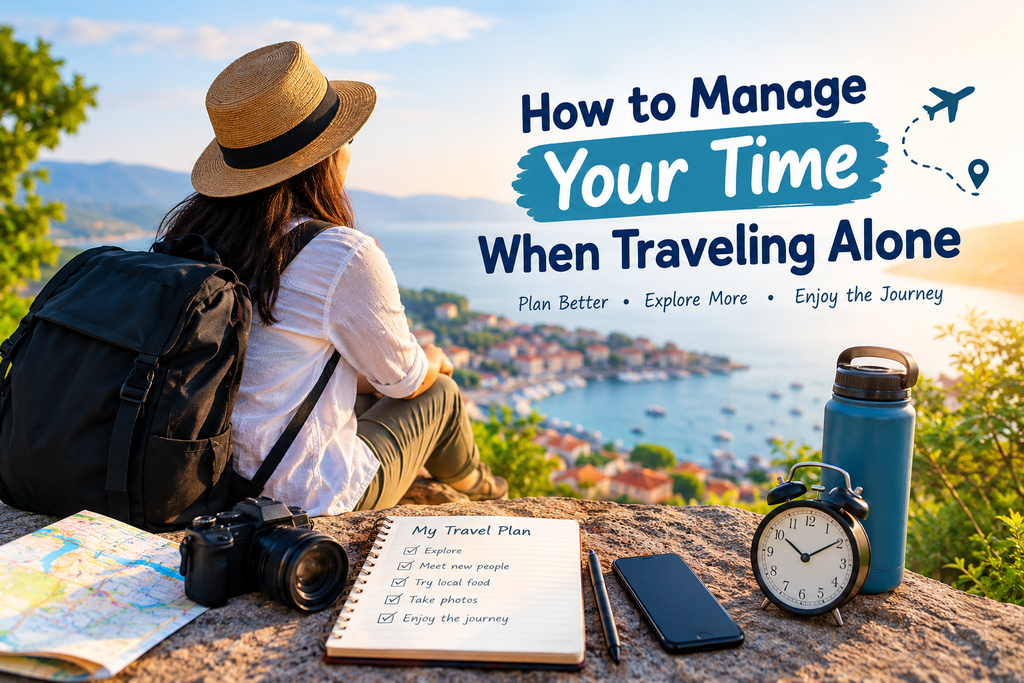
Sometimes I can spend much longer at a place than I originally expected. While this can be enjoyable, it can also affect the rest of the day.
Setting a flexible time limit can help me stay aware of my schedule. For example, I might decide to spend about two hours at a museum or one hour at a market.
This does not mean I have to leave immediately when the time is finished. It simply gives me an idea of when I should move on.
I find this especially useful when I have several places to visit in one day.
Take Breaks During the Day
Time management is not only about doing more activities. It is also about knowing when to stop.
Solo travel can involve a lot of walking, carrying luggage, using transportation, and making decisions. Without regular breaks, I can become tired and lose interest in exploring.
I like to include short breaks during the day. Sitting at a cafe, having a meal, relaxing in a park, or simply returning to my accommodation for a while can help me recharge.
After a good break, I usually enjoy the next activity much more.
Keep Your Evening Flexible
I prefer not to make my evenings too busy when traveling alone. After a full day of exploring, I may want a quiet dinner or a relaxing walk.
Having a flexible evening also gives me the chance to change my plans based on how I feel.
If I still have energy, I can explore another nearby area. If I am tired, I can return to my accommodation and rest.
This flexibility is one of the main benefits of solo travel.
Use Technology to Save Time
Technology can make time management much easier. I can use maps to find routes, travel applications to check transportation, and calendar applications to remember important bookings.
I also like keeping important information in one place. Having accommodation details, transportation information, reservations, and important addresses easily available can save time.
However, I do not want to spend my entire trip looking at my phone. Technology should help me manage my time rather than distract me from the destination.
Keep Your Travel Routine Simple
A simple routine can make solo travel much easier. I like having a basic pattern for my days, such as waking up, having breakfast, exploring, taking a break, enjoying an afternoon activity, and having dinner.
The routine does not need to be exactly the same every day. It simply gives me a familiar structure.
When I have a simple routine, I spend less time deciding what to do next. This leaves more time for enjoying the trip.
Learn to Say No to Some Activities
There may be many things I want to do during a trip, but sometimes I need to accept that I cannot do everything.
Learning to say no is an important part of managing time while traveling alone. If an activity does not interest me enough, I do not need to include it simply because other travelers recommend it.
I believe my trip should reflect my own interests and priorities.
Skipping one attraction can give me more time to enjoy an experience that actually matters to me.
Leave Time for Unexpected Experiences
Some of my favorite travel memories can come from moments that were never included in my plan. Maybe I find an interesting restaurant, meet someone friendly, discover a beautiful viewpoint, or walk through a neighborhood that was not on my list.
That is why I believe a good solo travel schedule should have some free space.
A flexible schedule gives me the opportunity to enjoy these unexpected experiences without worrying about being late for the next activity.
Review Your Day Each Evening
At the end of the day, I like to think about what I accomplished and what I still want to do. This does not need to be a complicated process.
I can simply check my plans for the next day and make small changes if necessary.
If I spent too much time walking today, I might plan fewer activities tomorrow. If I missed something important, I can move it to another day.
This small habit helps me stay organized without turning my vacation into a strict schedule.
Final Thoughts
Managing your time when traveling alone does not mean planning every minute of your vacation. In my opinion, the best approach is to create a simple plan, choose your priorities, allow extra travel time, and leave enough space for rest and unexpected experiences.
Solo travel gives you something that group travel often cannot provide: complete control over your time. You can wake up when you want, change your plans, spend hours at a place you love, or simply sit somewhere and enjoy the surroundings.
The goal of good time management is not to visit the maximum number of places. It is to make the most of the time you have while still enjoying the journey.
When I keep my travel schedule realistic and flexible, I feel less rushed and more present. I can explore new places, take proper breaks, enjoy local experiences, and return home with better memories.
For anyone planning a solo vacation, I would recommend starting with a simple daily plan rather than a packed schedule. Decide what matters most, organize activities by location, protect your rest time, and always leave a little room for something unexpected. This balance can make traveling alone much easier, more comfortable, and more enjoyable.