When I travel, one of the expenses I pay close attention to is food. It is easy to plan a cheap flight, find an affordable hotel, and then spend far more than expected on meals. A breakfast here, a coffee there, a restaurant dinner, and a few snacks during the day can quickly turn into a large part of the travel budget.
In my experience, saving money on travel meals does not mean eating badly or avoiding local food. It is mostly about making better choices, planning ahead, and knowing where your money is going. With a few simple habits, I can enjoy good food while keeping my travel expenses under control.
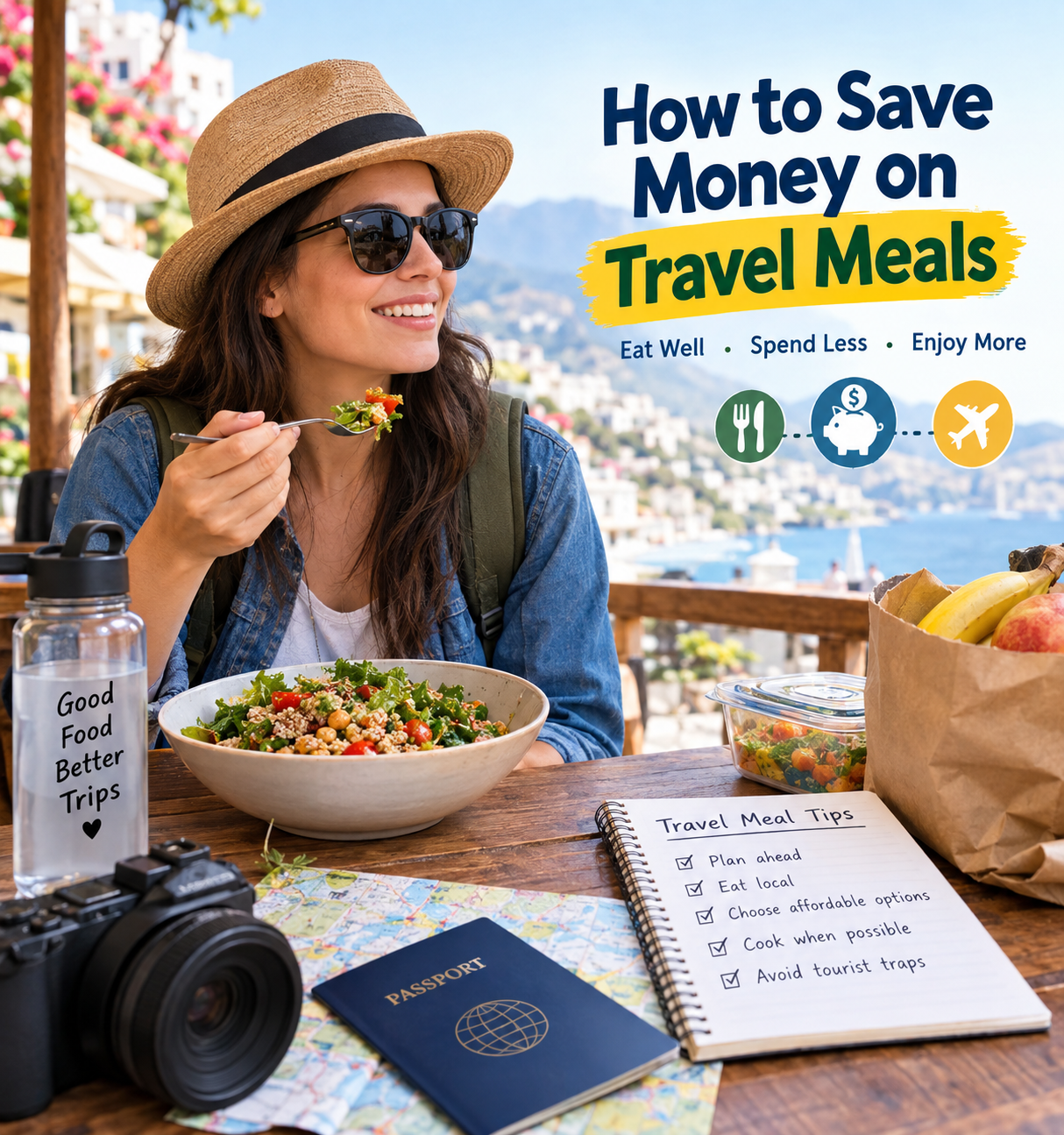
If you are looking for practical ways to save money on travel meals, these tips can help you eat well without putting unnecessary pressure on your budget.
Plan Your Food Budget Before Traveling
One of the first things I recommend is creating a food budget before leaving home. Many travelers plan their transportation and accommodation costs but forget to estimate how much they will spend on food.
I usually think about how many meals I will need each day and create a realistic amount for breakfast, lunch, dinner, drinks, and snacks. I also leave a small amount for unexpected expenses.
For example, if you know that you can spend $30 a day on food, you can make decisions according to that amount. Without a budget, it is much easier to spend $10 extra several times a day without noticing.
A simple food budget gives you a clear limit and makes it easier to control your travel spending.
Eat Breakfast Before Going Out
Breakfast can become surprisingly expensive when you eat it at restaurants every morning. When I stay somewhere that provides breakfast, I take advantage of it. If breakfast is not included, I often look for affordable options at a local grocery store or bakery.
Simple foods such as fruit, yogurt, bread, eggs, cereal, or oatmeal can be much cheaper than ordering a full restaurant breakfast.
I do not suggest skipping breakfast completely. Instead, I believe the goal should be to find a filling and affordable option that gives you enough energy for the morning.
Buy Food From Local Grocery Stores
One of my favorite ways to reduce food expenses while traveling is shopping at a local grocery store. Supermarkets often have much lower prices than restaurants located in busy tourist areas.
You can buy fruit, sandwiches, bottled drinks, yogurt, bread, snacks, and other simple foods. Depending on your accommodation, you may also be able to buy ingredients for easy meals.
This works especially well when I am staying for several days because I do not have to purchase every meal from a restaurant.
Choose Local Restaurants
Eating at restaurants does not have to be expensive. The important thing is choosing the right restaurants.
Tourist areas often have restaurants with higher prices because they are located close to major attractions. I prefer walking a few streets away from the busiest tourist locations and looking for places where local people actually eat.
Local restaurants can offer better value and often provide a more authentic experience. Before choosing a place, I like to check the menu and prices rather than entering simply because the restaurant looks attractive.
Avoid Eating Every Meal Near Tourist Attractions
Food near famous attractions can be convenient, but convenience often comes with a higher price. Restaurants around major landmarks, airports, and busy tourist streets may charge more than similar restaurants in other neighborhoods.
When possible, I prefer to explore a little before choosing where to eat.
Even walking for ten or fifteen minutes can sometimes make a noticeable difference. I have found that some of the better value meals are often found away from the most crowded tourist streets.
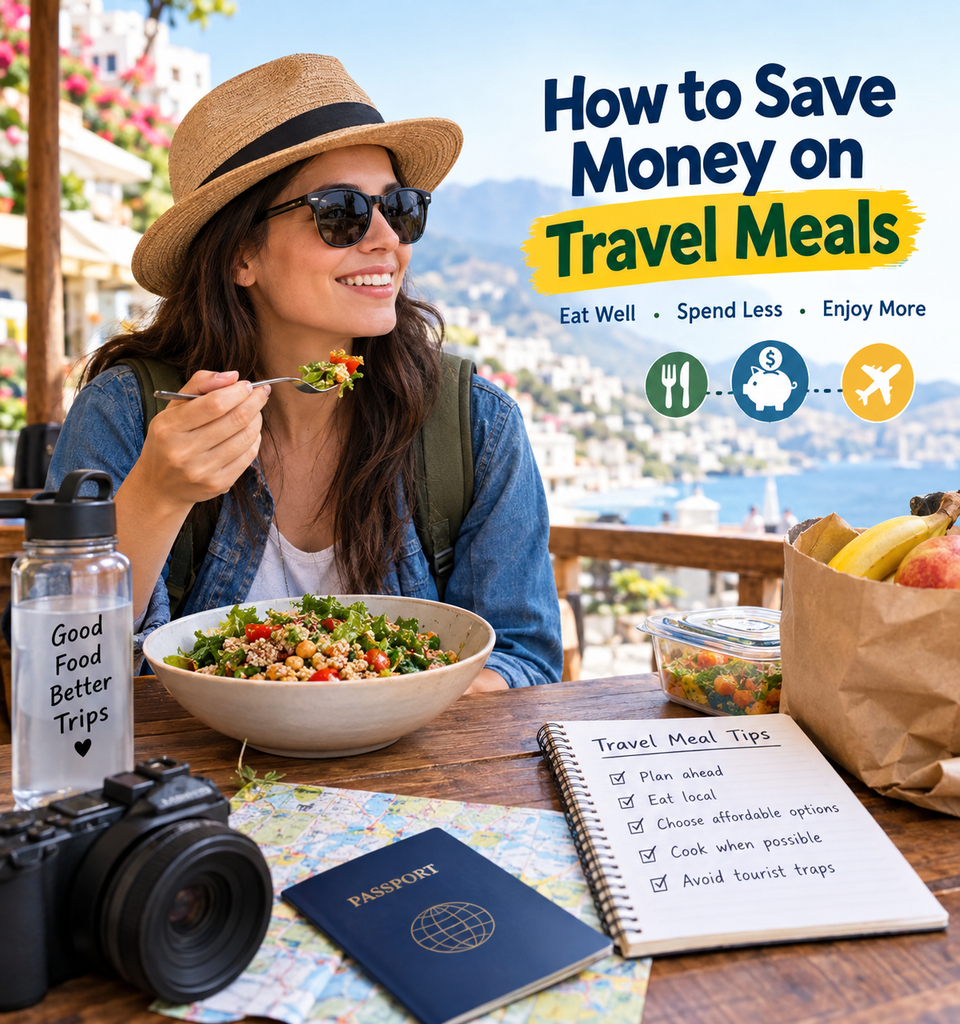
Carry Simple Snacks
Snacks can quietly increase a travel budget. When I become hungry while exploring, buying something from the nearest shop is tempting. Doing this several times during a trip can add up quickly.
I prefer carrying a few simple snacks when appropriate. Fruit, nuts, crackers, granola bars, or other convenient foods can help control those small purchases.
Having a snack with me also means I do not have to choose an expensive restaurant simply because I am extremely hungry.
Carry a Reusable Water Bottle
Drinks are another area where travelers can spend more than expected. Buying bottled water repeatedly throughout the day can become an unnecessary expense.
When safe drinking water is available, I prefer carrying a reusable water bottle and filling it when possible.
The same principle applies to other drinks. Ordering several soft drinks, coffees, or specialty beverages with meals can significantly increase the final bill.
I do not think travelers need to avoid every drink they enjoy. I simply try to make those purchases intentional instead of automatic.
Consider Accommodation With a Kitchen
If I am traveling for several days, accommodation with a kitchen can make a big difference to my food budget.
Having access to a refrigerator, microwave, or basic cooking equipment gives me more options. I can prepare breakfast, make sandwiches, store leftovers, or cook a simple dinner.
I would not necessarily cook every meal because trying local food is one of the enjoyable parts of traveling. However, preparing even one meal a day can reduce overall food costs.
This can be especially useful for families or groups because restaurant expenses multiply quickly when several people are traveling together.
Share Larger Portions
Restaurant portions can sometimes be quite large. If the serving is enough for two people, sharing can be a practical way to reduce costs.
This depends on the restaurant and local dining culture, so I always check whether sharing is allowed or whether there is an additional charge.
Another option is ordering fewer dishes first and adding more food only if necessary. This helps prevent spending money on food that nobody finishes.
Look for Daily Specials and Affordable Menus
Many restaurants offer lunch specials, fixed menus, early dinner deals, or other affordable options. I always look at the menu carefully instead of assuming that every meal will be expensive.
Lunch can sometimes be cheaper than dinner, making it a good opportunity to enjoy a restaurant meal at a lower price.
Some local restaurants also offer simple daily meals that provide good value. Asking about specials can help you discover affordable choices without sacrificing the experience.
Limit Expensive Drinks
Food may appear affordable until drinks are added to the bill. Coffee, juice, soda, specialty drinks, and other beverages can increase the total surprisingly quickly.
When I want to keep my travel expenses low, I usually choose water or another simple drink with most meals.
If there is a local drink that I really want to try, I will enjoy it. The difference is that I make it part of the travel experience rather than buying expensive drinks with every meal.
Use Food Markets Wisely
Local food markets can be excellent places to experience regional food without spending as much as you might at high end restaurants.
However, I still compare prices because not every market stall is automatically cheap. I look for busy stalls with plenty of local customers and reasonable prices.
Markets can also be a great way to try several small portions instead of paying for one expensive restaurant meal.
Avoid Food Waste
One of the simplest ways to save money on travel meals is to avoid buying more food than you need.
I try to think about portion sizes before ordering. If I know I have a small appetite, ordering the largest meal just because it looks like better value is not actually saving money if I cannot finish it.
When leftovers can be safely stored, I prefer keeping them for another meal rather than throwing them away.
Make Restaurant Meals More Special
Saving money does not mean completely avoiding restaurants. In fact, I think restaurants can be an important part of traveling.
Instead of eating at expensive restaurants every day, I prefer choosing one or two meals during the trip that I really want to experience. For the remaining meals, I choose simpler and more affordable options.
This approach gives me something to look forward to while keeping my overall food budget reasonable.
Keep Track of Daily Food Spending
I find it useful to check my food spending at the end of each day. It does not have to be complicated. A quick note on my phone is enough.
I record approximately how much I spent on breakfast, lunch, dinner, drinks, and snacks.
If I spend more than planned one day, I can adjust the next day. This small habit prevents a few expensive meals from turning into a major budget problem.
Final Thoughts
For me, learning how to save money on travel meals is not about making travel less enjoyable. It is about spending money where it matters most.
I can enjoy local restaurants, try interesting foods, and experience a destination while still being careful with my budget. Planning meals, buying groceries, carrying snacks, drinking water, choosing local restaurants, and avoiding tourist prices can make a noticeable difference.
The biggest lesson I have learned is that small food expenses can become large travel expenses when repeated every day. A little planning before and during a trip can help keep those costs under control.
When I save money on everyday meals, I have more room in my budget for experiences that I will remember long after the trip is over. For me, that is the real goal of budget travel: spend less where you can so you can enjoy more of what truly matters.