
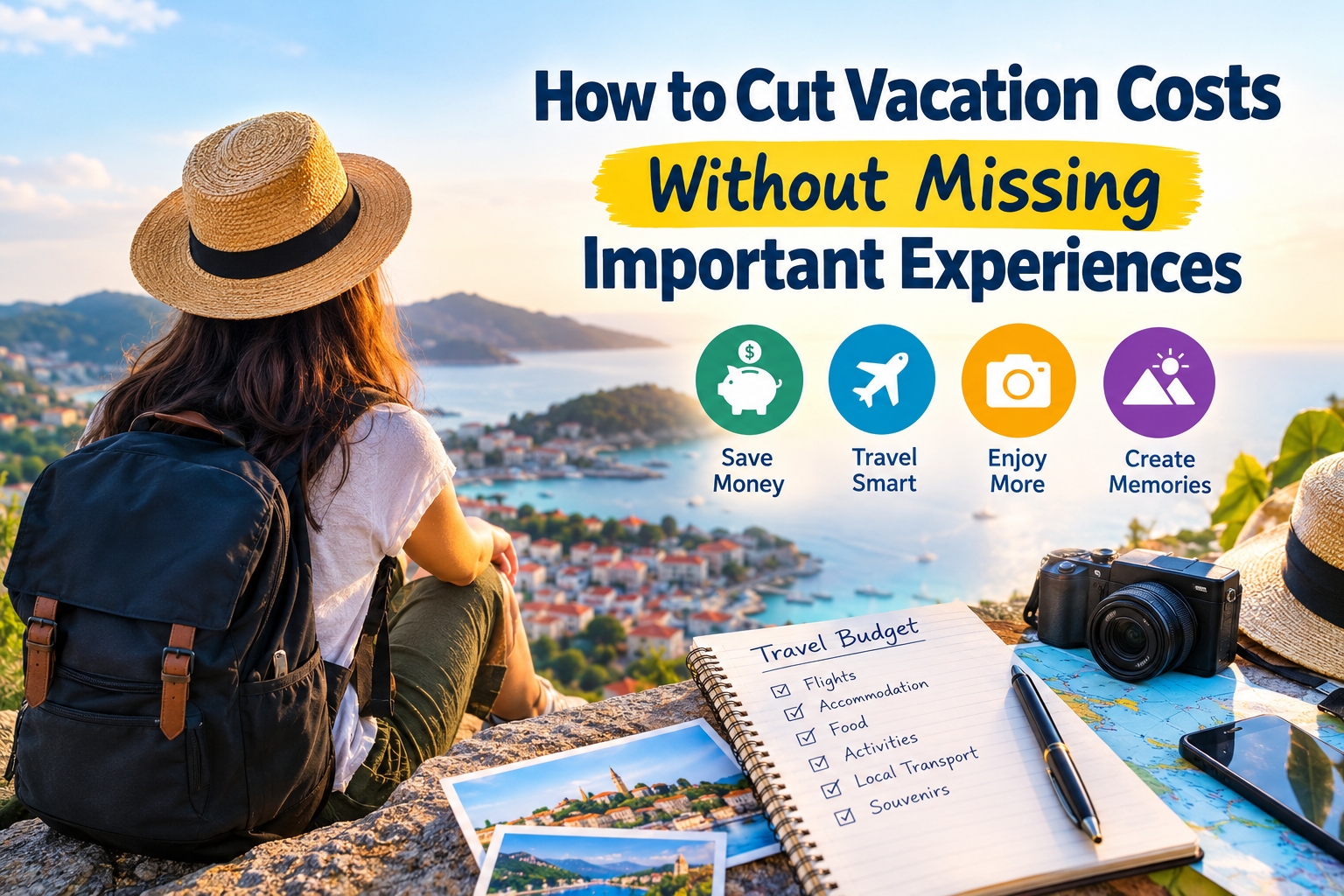
I believe a good vacation does not have to be an expensive vacation. When I travel, I try to spend money on the things that actually make the trip memorable instead of paying extra simply because something is convenient or popular. Many people think that cutting vacation costs means staying in poor accommodation, eating cheap food all the time, or skipping the activities they really want to experience. In my view, that is not the right approach.
The better way to save money while traveling is to make smarter choices before and during the trip. With a little planning, it is possible to reduce travel expenses while still enjoying local food, interesting attractions, comfortable accommodation, and meaningful experiences.
Decide What Matters Most Before Traveling
The first thing I recommend is deciding which experiences are most important to you. Every destination has dozens of attractions, restaurants, tours, and activities, but you probably do not need to experience all of them.
I like to create a short list of the things I really do not want to miss. It could be visiting a famous landmark, trying local food, spending time at a beautiful beach, exploring a historic area, or joining one special activity.
Once I know my priorities, I can save money in other areas without feeling like I am missing the purpose of the trip. This is one of the easiest ways to cut vacation costs without reducing the quality of the experience.
Create a Realistic Vacation Budget
A realistic travel budget gives you control over your spending. Before booking anything, I like to estimate the major expenses, including transportation, accommodation, food, activities, local transportation, shopping, and emergency expenses.
It is also helpful to separate essential expenses from optional expenses. Your hotel and transportation may be necessary, while expensive souvenirs or multiple paid tours may not be.
I recommend leaving some extra money in the budget for unexpected costs. A vacation can become stressful when every dollar has already been assigned to a specific expense.
Save Money on Transportation
Transportation can take a large part of a vacation budget, especially when traveling long distances. One way I reduce transportation costs is by comparing different travel dates and departure times.
Sometimes changing your travel date by one or two days can make a noticeable difference. I also compare airports, train stations, buses, and other transportation options when they are available.
For shorter distances, public transportation can often be much cheaper than taxis or private rides. Walking is another excellent option when the destination is safe and the distance is reasonable.
I do not believe you should always choose the cheapest transportation option. If a slightly more expensive option saves several hours and makes the trip easier, it may be worth paying for. The goal is to find good value rather than simply finding the lowest price.
Choose Accommodation Based on Value
Accommodation is another major vacation expense. In my experience, the most expensive hotel is not always the best choice.
I first consider location, cleanliness, safety, reviews, and basic comfort. If I plan to spend most of the day exploring, I may not need a luxury hotel with facilities that I will barely use.
A reasonably priced hotel, guesthouse, or apartment in a convenient location can sometimes provide better value. Staying slightly outside the busiest tourist area can also reduce accommodation costs.
However, I avoid choosing accommodation solely because it is extremely cheap. Saving money is not useful if the location is inconvenient, the conditions are uncomfortable, or transportation costs become higher.
Eat Like a Local
Food is one of the best parts of traveling, so I would never suggest avoiding local food just to save money. Instead, I prefer to find ways to enjoy good food without paying tourist prices for every meal.
Local restaurants, markets, small cafes, and neighborhood food spots can offer excellent meals at reasonable prices. In many destinations, eating where local residents eat can also provide a more authentic experience.
Another simple strategy is to balance expensive meals with affordable ones. For example, you might enjoy one special dinner and choose a simple local restaurant for lunch.
If your accommodation has a kitchen, preparing a few simple meals can reduce food expenses even further. I would still make room in the budget for foods that are special to the destination because those experiences can become some of the best memories of a trip.
Look for Free Attractions
Many travelers assume that the best travel experiences require an expensive ticket. I have found that this is often not true.
Many destinations have free parks, public beaches, walking areas, markets, historic streets, viewpoints, museums with free entry days, cultural events, and public spaces worth exploring.
Before traveling, I like to search for free things to do at my destination. These activities can fill part of the itinerary without putting pressure on the travel budget.
Free attractions can also give you more freedom. Instead of rushing from one expensive attraction to another, you can slow down and enjoy the atmosphere of the destination.
Choose Paid Activities Carefully
I believe it is better to pay for a few experiences you genuinely care about than to spend money on many activities simply because they are available.
For example, if a particular museum, guided tour, boat trip, or cultural experience is one of the main reasons you chose the destination, it may deserve a place in your budget.
At the same time, you can skip activities that do not interest you. This approach allows you to cut vacation costs without feeling deprived.
I also recommend comparing activity prices before booking. Look at what is included, how long the activity lasts, and whether there are cheaper alternatives.
Travel During Less Busy Periods
Traveling during peak season can make almost everything more expensive. Flights, hotels, attractions, and even restaurants may charge higher prices when demand is strong.
If your schedule is flexible, consider traveling during the shoulder season or another less busy period. You may find better accommodation prices and fewer crowds.
Another advantage is that you can often enjoy popular attractions in a more relaxed environment. For me, saving money while having a quieter experience is a very good combination.
Avoid Unnecessary Convenience Fees
Small expenses can quietly increase the cost of a vacation. Airport transfers, delivery fees, luggage charges, booking fees, expensive hotel snacks, and frequent private rides can add up quickly.
I try to notice these costs before paying for them. Sometimes there is a simple alternative.
For example, instead of ordering expensive food to a hotel, you might walk to a nearby restaurant. Instead of using a private transfer, public transportation may work. Instead of buying drinks at a tourist attraction, you can carry a reusable water bottle where permitted.
The idea is not to avoid every convenience. It is to recognize which conveniences are genuinely useful and which ones are simply draining your budget.
Be Smart About Souvenirs
Shopping can become an unexpected vacation expense. When I travel, I prefer buying a few meaningful items rather than purchasing something from every place I visit.
Before buying a souvenir, I ask myself whether I actually like it or whether I simply feel that I should buy something because I am traveling.
Local crafts, small food products, postcards, or practical items can be better choices than expensive tourist merchandise. Setting a shopping budget before the trip can also prevent impulse purchases.
Use a Daily Spending Limit
A daily travel spending limit can make vacation budgeting much easier. After calculating your major expenses, decide how much you can comfortably spend each day on food, transportation, entertainment, and small purchases.
I do not recommend treating the limit as a strict rule that makes your vacation stressful. Instead, use it as a guide.
If you spend less one day, you may have extra money for a special activity later. This gives you flexibility while still keeping your overall vacation costs under control.
Compare Prices Before Booking
I always believe that a few minutes of research can save money. Before booking flights, hotels, tours, or transportation, compare different options.
Look at the total price rather than only the advertised price. A cheaper hotel might have expensive transportation costs. A low priced flight might include additional baggage fees. A cheap tour might not include entrance fees or meals.
Understanding the complete cost helps you make better decisions.
Focus on Experiences Instead of Luxury
One of my favorite ways to save money while traveling is to focus on experiences instead of luxury.
A beautiful sunset, a walk through an old neighborhood, a conversation with a local person, a day at the beach, or a simple meal with a great view can become more memorable than an expensive hotel room.
Luxury can be enjoyable, but it should not be the only measure of a successful vacation. Sometimes spending less gives you the opportunity to explore more.
Keep an Emergency Fund
Saving money should never mean traveling without financial protection. I recommend keeping an emergency fund separate from your normal vacation spending money.
Unexpected transportation changes, lost items, medical needs, or other problems can happen during travel. Having extra money available can prevent a small problem from becoming a major source of stress.
I consider this part of smart vacation planning because a good budget should include both enjoyment and preparation.
Final Thoughts
In my opinion, cutting vacation costs is not about making a trip boring or uncomfortable. It is about spending money with a purpose.
The best approach is to identify the experiences that matter most, create a realistic travel budget, compare prices, use affordable transportation, choose accommodation carefully, enjoy local food, and take advantage of free activities.
You do not have to say no to everything that costs money. Instead, spend on the experiences you genuinely value and reduce expenses in areas that matter less to you.
A successful vacation is not measured by how much money you spend. It is measured by how much you enjoy the journey and how many meaningful memories you bring home. With smart planning, you can cut vacation costs without missing the important experiences that made you want to travel in the first place.