Traveling alone gives me a lot of freedom. I can decide where I want to go, what I want to see, and how I want to spend my day. But one thing that can become difficult during a solo trip is deciding what and when to eat. When I travel alone, I do not have someone else to remind me about lunch or help me choose a restaurant. If I do not plan ahead, I can easily become hungry, spend more money than expected, or end up eating whatever is available.
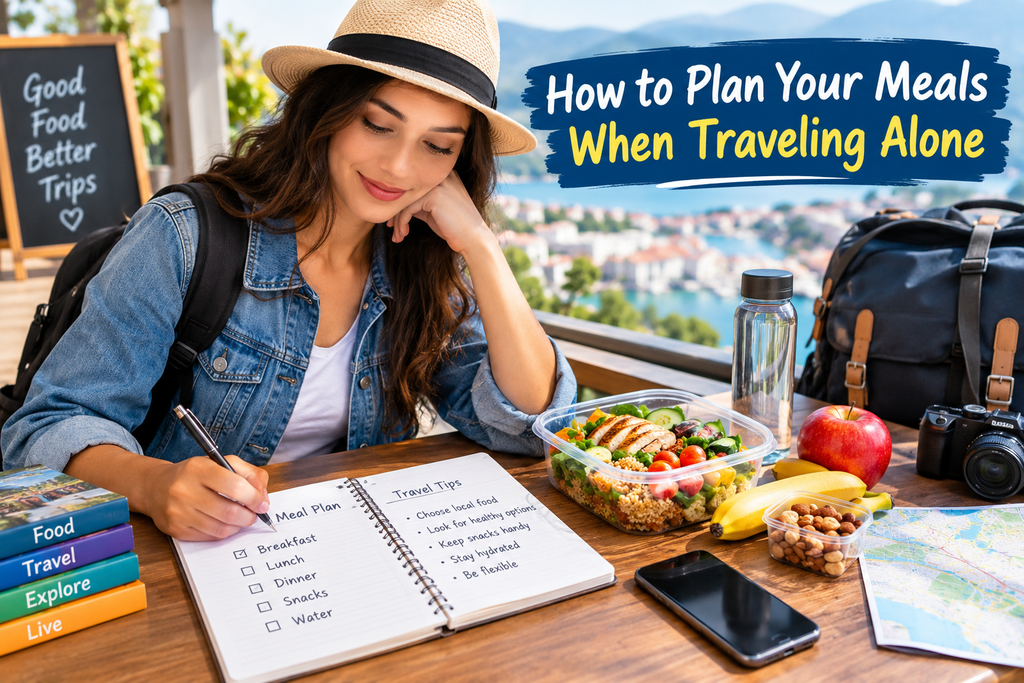
In my experience, meal planning while traveling alone does not mean preparing every meal in advance. It simply means having a basic idea of where I will eat, what food I may need, and how much I want to spend. A simple plan gives me more freedom while also helping me enjoy my trip without unnecessary stress.
Start With Your Daily Travel Schedule
The first thing I consider when planning meals is my travel schedule. I look at what I expect to do during the day and then decide where meals can fit naturally.
For example, if I plan to visit several attractions in the morning, I prefer having breakfast before leaving my accommodation. If I know I will be walking around a busy city during lunchtime, I look for restaurants or cafes near the places I plan to visit.
I do not try to create a strict schedule because travel plans can change. Instead, I create a flexible meal plan that gives me a few options. This makes it easier to enjoy unexpected experiences without worrying about missing a meal.
Research Food Options Before Your Trip
Before traveling to a new destination, I like to research the local food options. This helps me understand what type of meals are available and what prices I can expect.
I usually check restaurants, cafes, local markets, supermarkets, and small food shops near my accommodation. I also look at reviews to get an idea of the quality and atmosphere.
When traveling alone, location is especially important. I prefer places that are easy to reach and comfortable for solo diners. A restaurant does not need to be fancy. Sometimes a small local cafe can provide a much better experience than an expensive tourist restaurant.
Researching food options before traveling also saves time. Instead of spending an hour walking around hungry and trying to decide where to eat, I already have a few ideas.
Plan a Simple Breakfast
Breakfast is one meal I like to keep simple while traveling alone. A complicated breakfast can take too much time, especially when I want to start exploring early.
Depending on the destination, I may have breakfast at my accommodation, visit a nearby cafe, or buy simple food from a supermarket.
Foods such as fruit, yogurt, eggs, bread, oatmeal, or cereal can be convenient choices. If my accommodation has a kitchen or refrigerator, I may buy a few basic items when I arrive.
A simple breakfast can also help control my travel budget. Instead of spending a large amount every morning, I can save some money for a special lunch or dinner.
Keep Easy Snacks With You
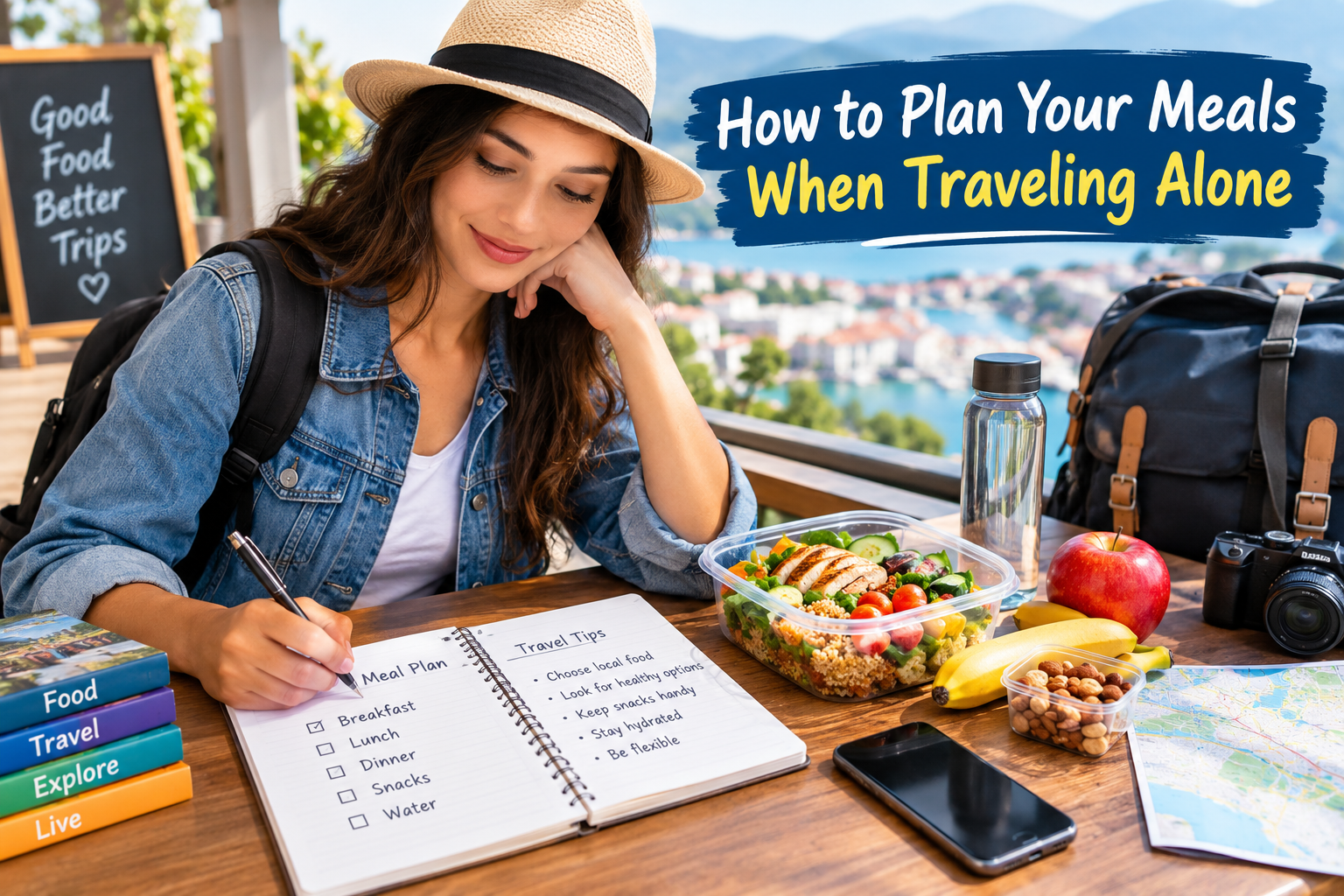
One of the best meal planning tips for solo travelers is to carry a few snacks. I never like being extremely hungry while exploring a new place because hunger can make me tired and impatient.
I usually consider easy snacks such as nuts, fruit, crackers, granola bars, or other packaged foods that are suitable for travel. I also carry water whenever practical.
Snacks are especially useful when attractions are crowded or restaurants are far away. They give me something to eat until I can have a proper meal.
However, I avoid carrying too much food. I prefer buying small quantities during the trip so I do not have to carry unnecessary weight.
Decide How Much You Want to Spend on Food
Food can become one of the biggest travel expenses if I do not pay attention to my spending. That is why I like to create a daily food budget before my trip.
I do not need an exact number for every meal. Instead, I decide approximately how much I can comfortably spend on breakfast, lunch, dinner, and snacks.
For example, I may choose a less expensive breakfast and lunch so I can enjoy a nicer dinner. This approach gives me flexibility while keeping my overall spending under control.
I also remember that food prices can vary significantly between neighborhoods. Tourist areas are often more expensive, while local areas may offer better value.
Mix Restaurants With Affordable Options
When I travel alone, I like to mix different types of food experiences. I do not need to eat at a restaurant three times every day.
Some days I may have breakfast at a cafe, lunch from a local market, and dinner at a restaurant. On another day, I may prepare a simple meal at my accommodation if facilities are available.
This approach keeps my food budget reasonable and allows me to experience different sides of the destination.
Local markets can be particularly interesting because they often provide an opportunity to try regional foods while experiencing the everyday atmosphere of the place.
Check Restaurant Hours
Restaurant opening hours are easy to overlook when planning a trip. I have found that checking them in advance can prevent unnecessary problems.
Some restaurants may close between lunch and dinner. Others may have different hours on weekends or holidays. Smaller local businesses may also close earlier than I expect.
Before visiting a restaurant, I check its current opening information when possible. I also keep a backup option nearby.
This is particularly useful when traveling alone because I cannot always rely on another person to help find an alternative if my first choice is closed.
Think About Food Safety
Food safety is another important part of meal planning during travel. I prefer choosing places that appear clean and have good food handling practices.
I am also careful with foods that may not be suitable for long periods without refrigeration. When buying groceries, I check storage instructions and avoid keeping perishable foods for too long.
If I am visiting a destination with unfamiliar food or water conditions, I pay attention to reliable local guidance and choose food and drinks accordingly.
Being careful does not mean avoiding local cuisine. In fact, trying local food is one of my favorite parts of traveling. I simply try to make sensible choices.
Learn a Few Local Food Words
Learning a few basic food related words can make traveling easier. Before visiting a new country, I like to learn words related to common foods, drinks, vegetarian options, allergies, and basic restaurant communication.
This can be especially helpful when menus are not available in a language I understand well.
I can also use translation tools when necessary, but knowing a few simple words myself makes the experience more comfortable.
Consider Your Dietary Needs
If I have specific dietary requirements, I plan my meals more carefully before traveling. I research suitable restaurants and learn how to explain my requirements clearly.
I also check menus before visiting restaurants whenever possible. This reduces the chance of arriving somewhere and discovering that there are very few suitable options.
For longer trips, I may choose accommodation with a kitchen or at least a refrigerator. Having some control over my meals can make the trip much easier.
Do Not Plan Every Meal Too Strictly
Although meal planning is useful, I believe flexibility is just as important. Travel is about discovering new places and having experiences that I did not expect.
If I plan every breakfast, lunch, and dinner weeks in advance, I may miss interesting opportunities. I prefer making a general plan with a few restaurant choices and leaving room for spontaneous decisions.
For example, if I discover a popular local food market while walking around, I may change my lunch plan and try something there.
A good travel meal plan should support the trip rather than control it.
Use Your Accommodation to Your Advantage
Where I stay can make meal planning much easier. Before booking accommodation, I consider whether it has a kitchen, refrigerator, breakfast service, or nearby food shops.
A small kitchen can be useful for preparing simple meals. A refrigerator allows me to store fruit, drinks, yogurt, or other suitable foods.
I also check whether supermarkets or restaurants are within walking distance. Staying in an area with convenient food options can save both time and transportation costs.
Plan One Special Food Experience
I like to include at least one memorable food experience during a trip. It could be a traditional restaurant, local cooking experience, famous market, or regional dish.
Instead of spending heavily on every meal, I can save part of my food budget for this special experience.
When traveling alone, dining can also be an opportunity to slow down and enjoy the atmosphere. I can sit comfortably, observe the surroundings, and enjoy the meal without rushing.
Keep a Backup Meal Option
Sometimes plans fail. A restaurant may be closed, transportation may take longer than expected, or I may simply be too tired to search for food.
For this reason, I like having a backup option. It could be a supermarket near my accommodation, a reliable cafe, or some suitable snacks in my bag.
This small amount of preparation gives me peace of mind.
Final Thoughts
Planning meals when traveling alone does not have to be complicated. For me, the best approach is to create a flexible plan based on my daily schedule, budget, food preferences, and destination.
I research a few food options before leaving, keep simple snacks with me, check restaurant hours, and avoid spending too much on every meal. At the same time, I leave enough room for spontaneous food experiences.
Solo travel gives me the freedom to eat when I want and choose exactly what I like. With a little preparation, meal planning becomes less of a responsibility and more of a useful part of the travel experience.
My main advice is to keep things simple. Know where your next meal might come from, carry something small for unexpected hunger, keep your budget in mind, and do not be afraid to try something new. Good meal planning can make solo travel more comfortable, affordable, and enjoyable.