Traveling is one of the best ways to experience new places, meet different people, and create memories that stay with us for years. At the same time, travel can become expensive very quickly if we do not pay attention to where our money is going. Small purchases may not seem important at first, but when they add up over several days, they can put a lot of pressure on the travel budget.
In my experience, saving money while traveling does not mean avoiding everything enjoyable. It simply means spending money on the things that actually matter to me and avoiding expenses that add little value to the trip. With a little planning and awareness, it is possible to enjoy a comfortable vacation without spending more than necessary.
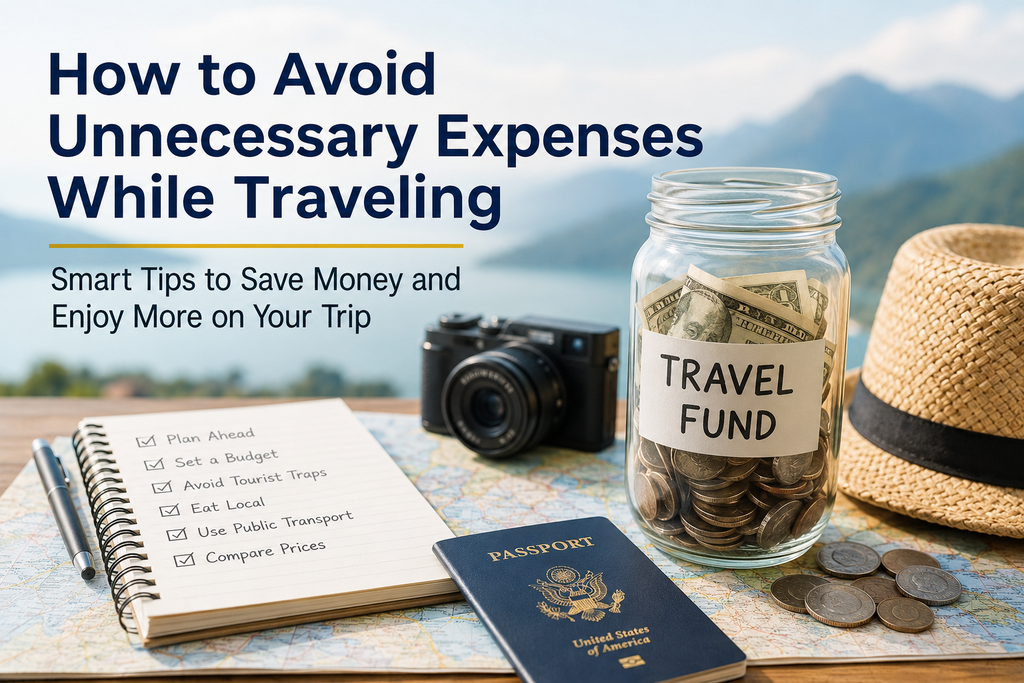
In this article, I will share practical ways to avoid unnecessary expenses while traveling and keep your trip affordable.
Set a Realistic Travel Budget
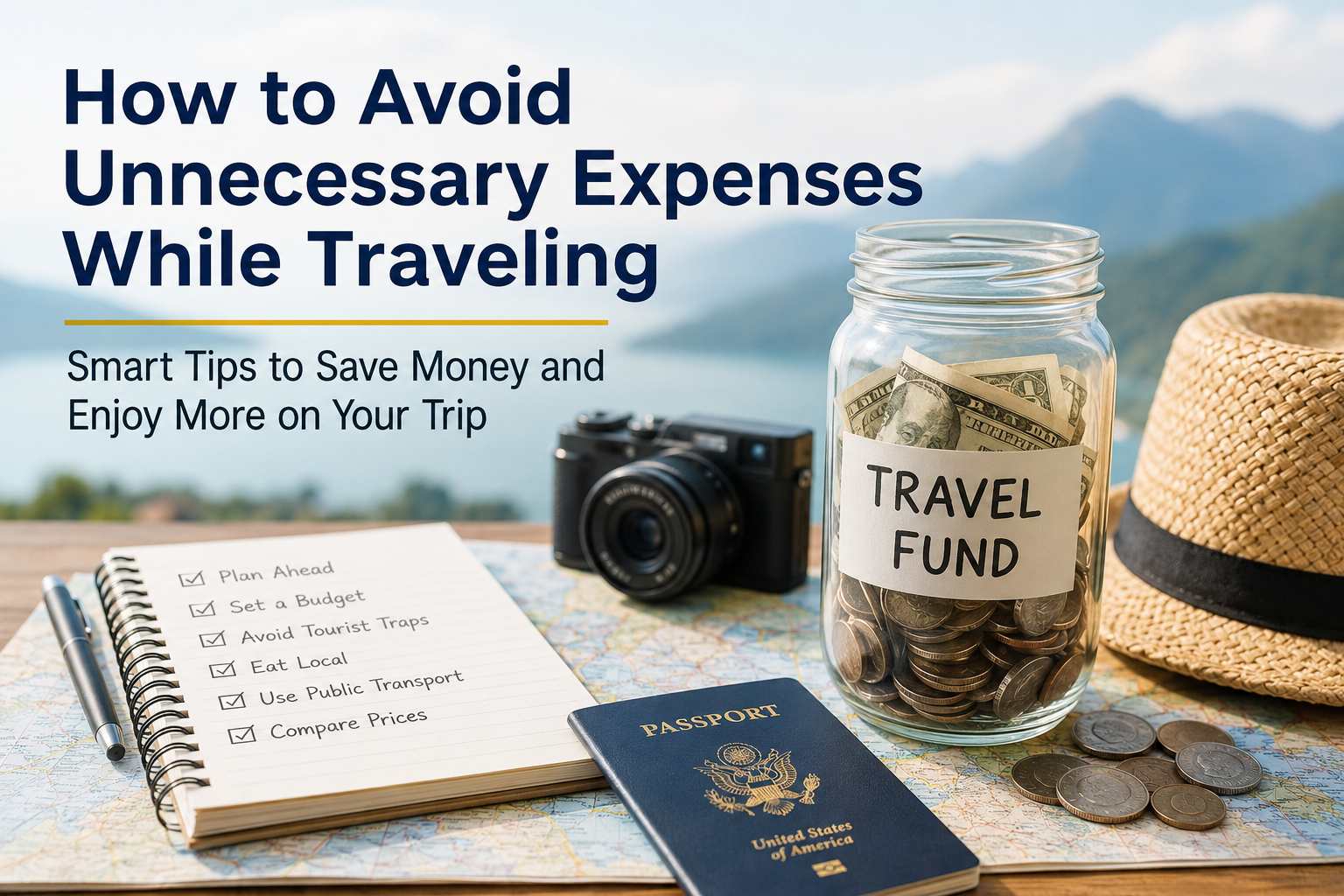
The first step I take before any trip is creating a realistic travel budget. I consider transportation, accommodation, food, activities, shopping, and emergency expenses. Having an estimated amount for each category makes it easier to control spending.
I also leave some extra money for unexpected situations. A travel budget should not be so strict that one unexpected expense ruins the entire trip. A small emergency fund can provide peace of mind.
When I know how much I can comfortably spend, I am less likely to make random purchases during the journey.
Plan Your Trip Before You Leave
Good planning can help reduce many unnecessary travel expenses. Before visiting a destination, I research accommodation, transportation, attractions, local food options, and general prices.
I also check which activities are free and which attractions require tickets. This helps me decide what is actually worth paying for.
Planning does not mean creating a schedule for every minute of the trip. I simply like to understand my options before arriving. This gives me more control over my money and helps me avoid expensive decisions made at the last minute.
Compare Transportation Prices
Transportation can become one of the biggest parts of a travel budget. Before booking a flight, train, bus, or rental car, I compare different options.
Sometimes traveling at a slightly different time can be cheaper. I also compare the total cost instead of looking only at the advertised ticket price. Baggage fees, seat fees, fuel costs, parking, and other charges can change the final amount.
For shorter distances, public transportation may be much cheaper than taxis or private rides. When it is safe and practical, I prefer affordable local transportation because it can reduce daily travel expenses significantly.
Avoid Last Minute Bookings When Possible
Last minute bookings can sometimes be convenient, but they can also cost more. I prefer to book important parts of my trip early when I already know my travel dates.
Accommodation and transportation prices can change depending on demand. Booking ahead gives me more choices and allows me to compare different options.
However, I do not automatically choose the cheapest option. I look at location, reviews, included services, cancellation policies, and additional fees before making a decision.
Choose Accommodation Carefully
Accommodation is another area where unnecessary spending can happen. A luxury hotel may be attractive, but I ask myself whether I will actually use all of its facilities.
If I plan to spend most of the day exploring the destination, I may prefer a clean, comfortable, and well located place rather than an expensive hotel with facilities I will barely use.
I also check whether breakfast, WiFi, parking, or other services are included. Sometimes a slightly higher room price can actually save money if important services are included.
Location matters too. A cheap hotel far away from everything may eventually cost more because of transportation expenses.
Eat Like a Local
Food is an important part of traveling, but eating every meal at expensive tourist restaurants can quickly increase the cost of a trip.
I like trying local restaurants, cafes, markets, and affordable food options. Local food can often provide an authentic experience without requiring a large budget.
I also avoid eating at the first restaurant I see near a major tourist attraction. Prices in busy tourist areas can be considerably higher. Walking a few streets away can sometimes lead to better food and better prices.
Carry Water With You
Buying bottled water several times a day may seem like a small expense, but over a longer trip it can add up.
Whenever possible, I carry a reusable water bottle and refill it at safe drinking water stations or other reliable sources. This is a simple way to reduce daily travel expenses.
It is also convenient because I do not have to search for a shop every time I need something to drink.
Avoid Unnecessary Shopping
Shopping is one of the easiest ways to go beyond a travel budget. When I visit a new destination, there are usually many souvenirs, clothes, accessories, and other products that look tempting.
Before buying something, I ask myself whether I genuinely want it or whether I am simply buying it because I am on vacation.
I prefer choosing a few meaningful souvenirs instead of purchasing many inexpensive items that I may not use later. This keeps my luggage lighter and my travel spending under control.
Be Careful With Tourist Traps
Tourist areas often have businesses that charge higher prices because visitors are willing to pay for convenience. This can include restaurants, taxis, souvenir shops, tours, and other services.
I research common tourist traps before visiting a destination. Reading recent reviews and checking local recommendations can help me identify better options.
This does not mean every business in a tourist area is expensive or poor quality. It simply means I compare prices before spending money.
Look for Free Activities
A great trip does not require paying for every activity. Many destinations offer free parks, public beaches, walking areas, markets, cultural spaces, viewpoints, festivals, and historic neighborhoods.
Before traveling, I search for free things to do in the destination. These activities can provide memorable experiences while helping me save money.
Sometimes simply walking around a beautiful neighborhood or watching a sunset can become one of the best memories of a trip.
Use Discounts and Travel Passes
Some destinations offer discount cards, transportation passes, museum passes, or combination tickets. Depending on my plans, these can reduce the total cost of sightseeing.
However, I do not buy a pass simply because it offers a discount. I first calculate whether I will actually use enough of its benefits.
A discount is only useful when it helps me spend less on things I already planned to do.
Avoid Expensive Convenience Purchases
Convenience can be expensive when traveling. Buying snacks at an airport, ordering room service frequently, taking private transportation everywhere, or purchasing basic items from hotel shops can increase costs.
I try to plan ahead for simple needs. For example, I may purchase snacks and basic supplies from a regular local store instead of buying them at tourist locations.
These small decisions can make a noticeable difference when combined over an entire trip.
Track Your Daily Spending
One of the most useful habits I have found for managing a travel budget is tracking daily expenses.
I do not need a complicated system. I can simply record how much I spend on food, transportation, activities, shopping, and other purchases.
At the end of each day, I check whether I stayed within my planned amount. If I spent more than expected one day, I can adjust my spending the next day.
Without tracking expenses, it is surprisingly easy to lose track of money.
Do Not Spend Just Because You Are on Vacation
One mindset that can help with travel savings is remembering that being on vacation does not mean I need to spend money constantly.
There is sometimes a feeling that a trip must include expensive restaurants, shopping, premium tours, and paid attractions. I do not believe that is necessary.
The main purpose of traveling is to experience a place. Some of the most enjoyable moments can cost very little. Exploring streets, talking with locals, visiting public spaces, taking photographs, and enjoying nature can all create wonderful memories.
Keep an Emergency Fund
Saving money does not mean spending every available dollar during the trip. I always think it is important to keep some money aside for emergencies.
Unexpected transportation problems, lost belongings, medical needs, changes in accommodation, or other situations can happen without warning.
An emergency fund gives me flexibility and prevents an unexpected expense from affecting the rest of the trip.
Think Before Every Purchase
One of the simplest ways to avoid unnecessary expenses while traveling is to pause before buying something.
I ask myself three questions. Do I really need it? Will I use it after the trip? Does it fit into my travel budget?
If the answer is no, I usually skip the purchase.
This small habit can prevent impulse spending without making the trip feel restrictive.
Final Thoughts
Learning how to avoid unnecessary expenses while traveling is mostly about making better decisions rather than completely avoiding spending money. I believe the best travel budget is one that allows me to enjoy the destination while still keeping my finances comfortable.
By planning ahead, comparing prices, choosing accommodation carefully, eating local food, using affordable transportation, avoiding impulse shopping, tracking daily expenses, and looking for free activities, I can reduce unnecessary travel costs without sacrificing the quality of my experience.
For me, successful travel is not about spending the most money. It is about getting the most value from the money I spend. When I focus my budget on experiences that are genuinely important to me, I can enjoy my journey with less financial stress and return home with great memories instead of unnecessary expenses.