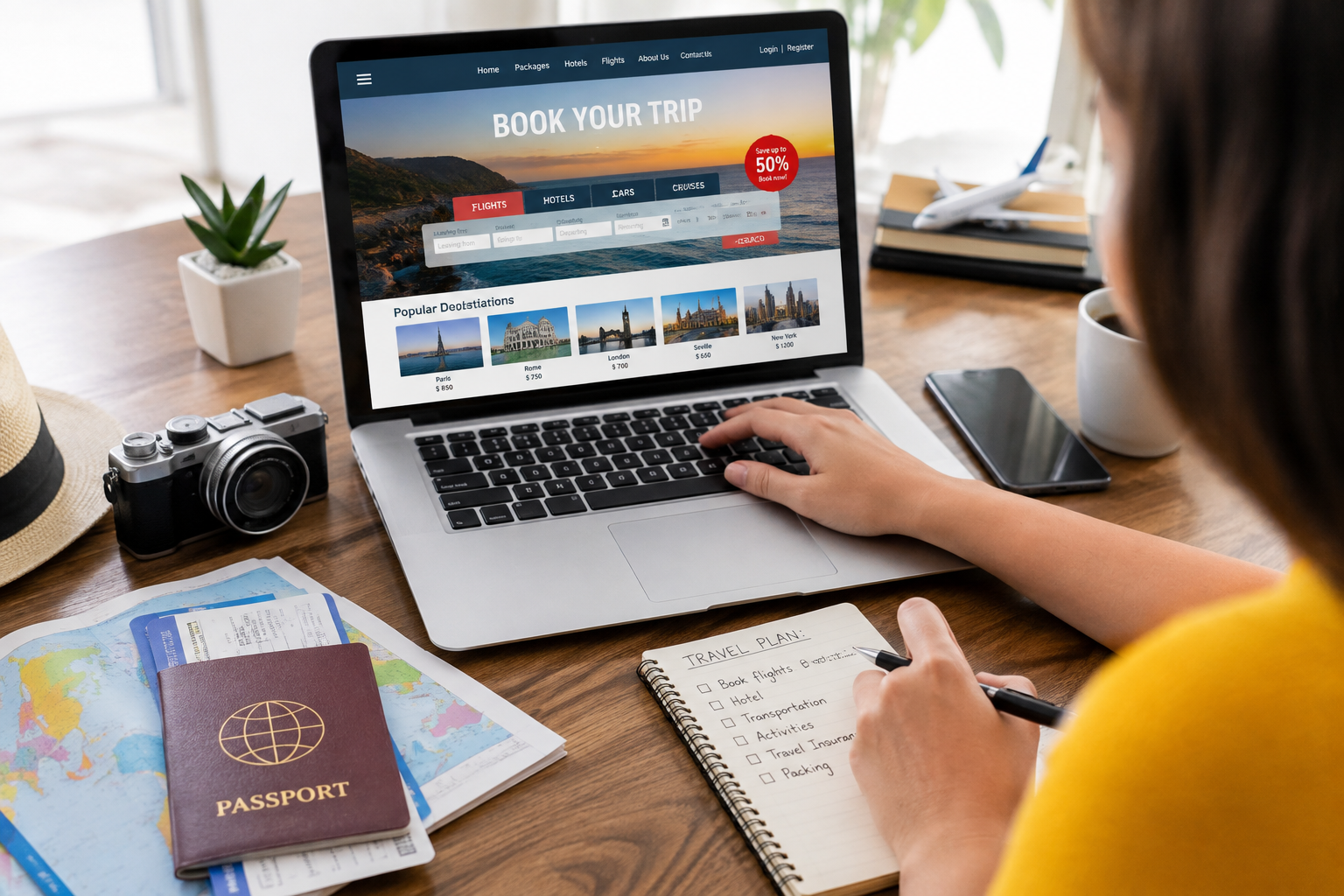
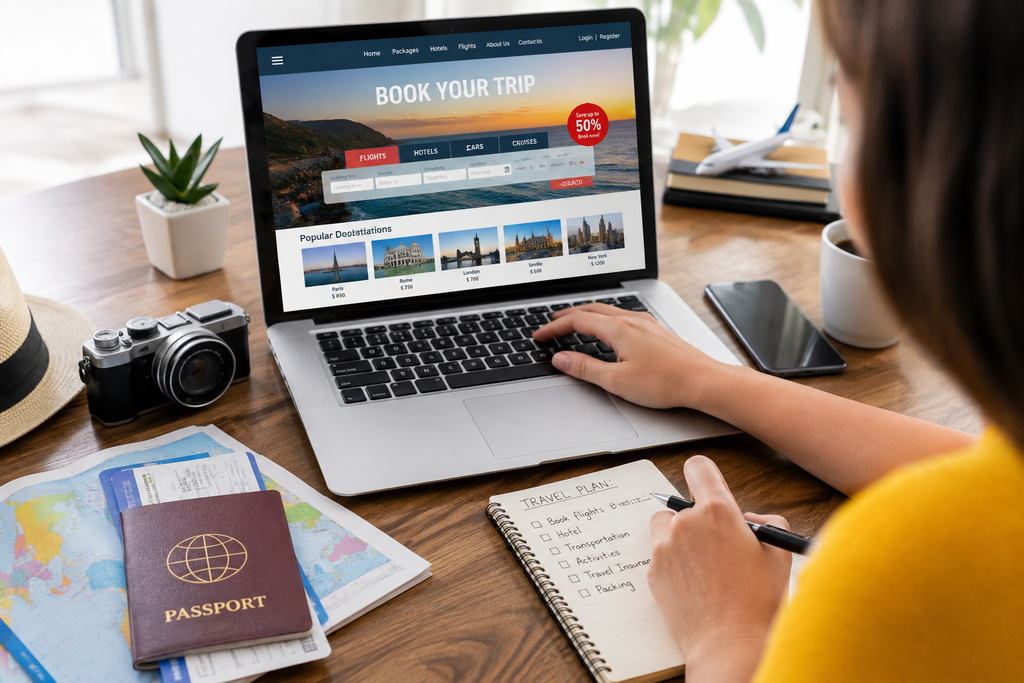
Booking a trip should be one of the most exciting parts of traveling. However, I have learned that rushing through the booking process can create problems that may affect the entire journey. A cheap flight may have hidden charges, a hotel may look perfect in pictures but be far from the places I want to visit, and a small mistake in the travel dates can become an expensive problem.
In my experience, the best way to book a trip without making common mistakes is to slow down, compare options, read the important details, and make decisions based on the complete cost rather than the first attractive price. Good travel planning does not have to be complicated. It simply requires a little patience and attention.
Start With a Clear Travel Plan
Before I book anything, I first decide what I actually want from the trip. I consider the destination, travel dates, number of travelers, approximate budget, and activities I want to enjoy.
This step is important because booking without a basic plan can lead to unnecessary expenses. For example, choosing a hotel before checking the location may mean spending more money on transportation later.
I also think about how many days I need. A short trip may require a different type of accommodation and transportation than a longer vacation. Having a simple plan gives me a clear idea of what I need to book.
Check Your Travel Dates Carefully
One of the easiest mistakes to make is entering the wrong travel date. Before confirming a flight, hotel, or other reservation, I always check the dates again.
I recommend checking the departure date, arrival date, return date, and the local time of the destination. This is especially important when traveling internationally because time zones can sometimes make dates confusing.
I also check whether my dates are flexible. Sometimes moving a trip by one day can make a noticeable difference in the price.
Set a Realistic Travel Budget
I never consider the ticket price to be the complete cost of a trip. The total travel budget should include transportation, accommodation, food, local travel, activities, travel insurance when appropriate, and possible additional fees.
For example, a flight that appears inexpensive may have extra charges for baggage or seat selection. A hotel with a low nightly price may have taxes or other fees added during checkout.
Creating a realistic budget helps me avoid unpleasant surprises. I also like to keep a small amount aside for unexpected expenses.
Compare Flights Before Booking
When I book a flight, I do not simply choose the first cheap option I see. I compare different airlines, departure times, baggage rules, stopovers, and total prices.
A flight with a lower ticket price is not always the best choice. If it requires a very long layover or has expensive baggage charges, the cheaper option may eventually cost more.
I also check the airport carefully. Some destinations have multiple airports, and an airport farther from the city may require additional transportation and time.
Read the Baggage Rules
Baggage rules are one of the details travelers often overlook. Different airlines can have different rules for carry on bags, checked luggage, weight limits, and additional baggage.
Before completing a booking, I check exactly what is included in my ticket. This helps me understand the real cost of the flight.
If I am traveling for only a few days, I also consider whether I can manage with a smaller bag. Packing less can sometimes make the journey easier and reduce additional charges.
Choose Your Hotel Based on Location
A beautiful hotel is not necessarily a good hotel for my trip. Location matters just as much as the room itself.
Before booking accommodation, I look at its location on a map. I check how close it is to public transportation, major attractions, restaurants, and other places I plan to visit.
I have found that staying in a convenient area can save both time and transportation costs. A slightly more expensive hotel in a good location may actually be better value than a cheaper hotel far away.
Read Recent Hotel Reviews
Photos can make almost any hotel look attractive, so I do not depend on photographs alone. I read recent guest reviews before making a reservation.
I pay attention to comments about cleanliness, staff, noise, location, internet access, room size, and other important features.
I also look for repeated complaints. One negative review may not mean much, but if many recent guests mention the same problem, I take it seriously.
Check the Cancellation Policy
Another common booking mistake is ignoring the cancellation policy. Before I pay, I check whether the reservation is refundable, partially refundable, or non refundable.
Plans can change for many reasons. A flexible booking may cost slightly more but can provide valuable peace of mind.
I also check the deadline for cancellation. Some reservations allow free cancellation only until a specific date or time.
Look at the Final Price
The price shown at the beginning of a booking process is not always the final price. Taxes, service fees, baggage charges, cleaning fees, resort fees, or other costs may be added later depending on the service.
For this reason, I always continue to the final payment page and review the complete amount before confirming.
This simple habit helps me compare travel options more accurately. Instead of comparing the advertised price, I compare the actual amount I will pay.
Avoid Booking Because of a Limited Time Offer
Travel websites often display messages suggesting that an offer is available for a limited time. These messages can create pressure to make a quick decision.
I prefer to remain calm and check the details before booking. If an offer looks attractive, I compare it with other options and make sure it actually fits my travel plans.
Saving money is useful, but saving a small amount is not worth making a reservation that does not meet my needs.
Double Check Passenger Information
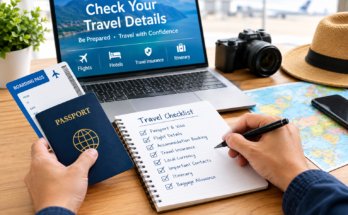
When booking flights, trains, hotels, or other services, I carefully check the names and personal information I enter.
Even a small spelling mistake can create complications. I compare the information with the relevant travel document before completing the reservation.
I also make sure that the number of travelers, ages when required, travel dates, and selected services are correct.
Check Passport and Travel Requirements
For international travel, I check my passport validity and the entry requirements of the destination before booking.
Depending on the country, travelers may need a visa, electronic travel authorization, proof of onward travel, or other documents.
I believe this is one of the most important parts of travel planning. There is little benefit in finding a great flight and hotel if I have not confirmed that I can legally enter the destination.
Be Careful With Connecting Flights
Connecting flights can sometimes save money, but I always consider the connection time.
A very short connection can create stress, especially when I have to go through security, immigration, or change terminals. On the other hand, an extremely long connection can make the journey tiring.
I look at the complete route and choose a connection that gives me enough time without making the trip unnecessarily difficult.
Save Every Booking Confirmation
After making a reservation, I save the confirmation email and important booking details. I also like to keep important information organized in one place.
For flights, I save the booking reference and travel details. For hotels, I keep the reservation confirmation, address, check in information, and cancellation policy.
Having these details available makes the trip easier and gives me something to refer to if a problem occurs.
Check the Booking Again Before Traveling
My travel planning does not end when I click the payment button. Before the trip, I review my reservations again.
I check flight times, hotel dates, transportation arrangements, and any activities I have booked. Airlines and other travel companies can sometimes change schedules, so checking closer to departure is a useful habit.
I also make sure I know how I will get from the airport or station to my accommodation.
Do Not Book Everything Too Early
Early planning can be helpful, but I do not automatically book every part of a trip months in advance.
Some activities can be decided after arriving at the destination. I prefer to book the important things first, such as transportation and accommodation, and leave some room for flexibility.
This approach allows me to change my plans when necessary without creating too many cancellation problems.
Final Thoughts
Learning how to book a trip without making common mistakes is mostly about paying attention to small details. I have found that a few extra minutes of research can prevent many problems later.
I always start with a clear travel plan, set a realistic budget, compare flights and hotels, check baggage rules, read recent reviews, and review cancellation policies. I also check the final price and make sure all personal information is correct before confirming a reservation.
Most importantly, I try not to rush. A good trip begins long before reaching the destination. When I take time to understand what I am booking, I feel more confident and prepared.
Travel should be enjoyable, and careful booking makes that experience much easier. By avoiding common booking mistakes and keeping important details organized, I can focus less on problems and more on enjoying the journey.