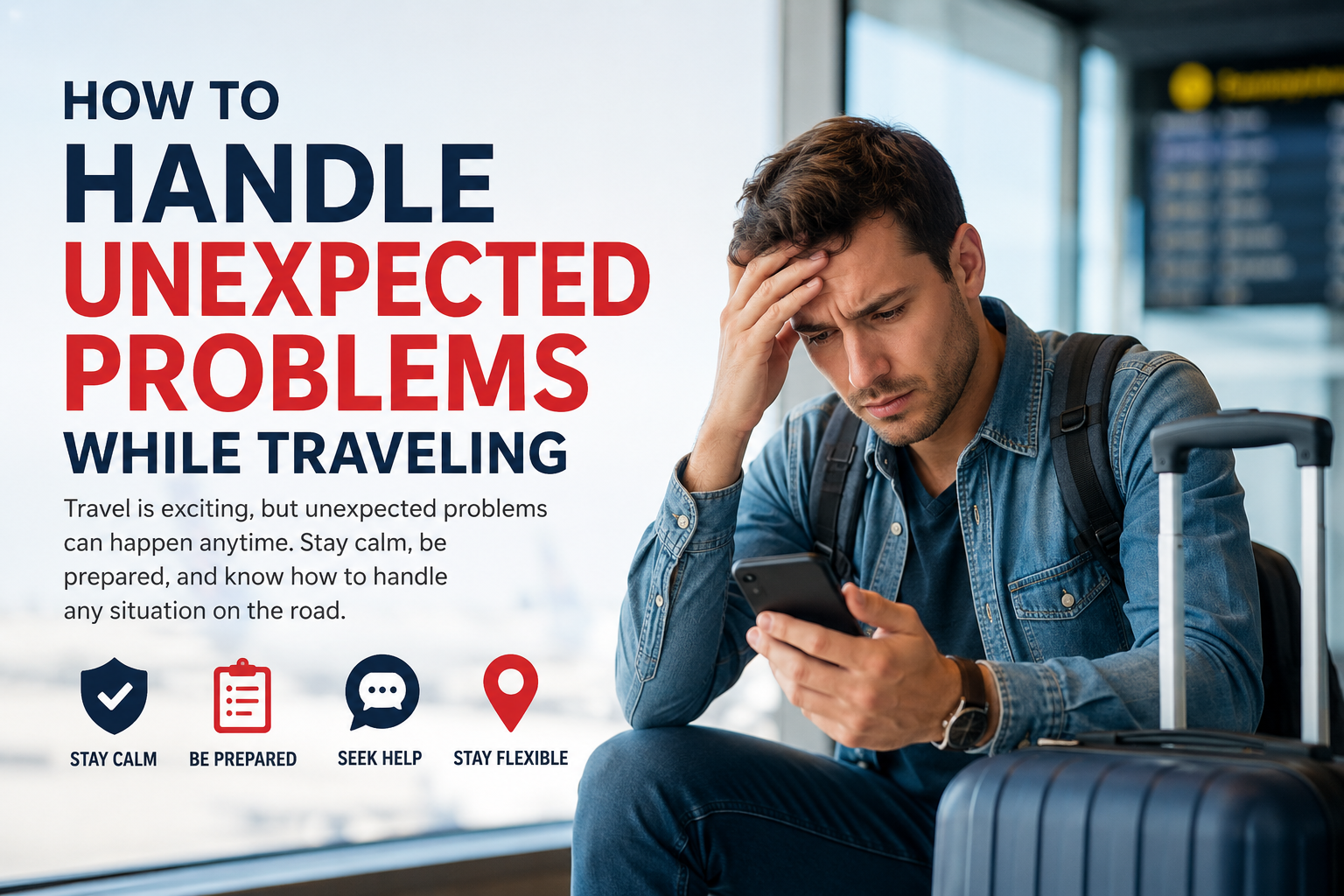
Traveling is one of my favorite ways to learn about new places, meet different people, and experience things that I cannot find in my normal routine. However, every trip does not go exactly according to plan. A flight can be delayed, luggage can go missing, a hotel reservation can have a problem, or the weather can suddenly change. These unexpected travel problems can feel stressful, especially when I am far from home.
From my experience, the most important thing is not trying to make every part of a trip perfect. Instead, I believe it is better to prepare for possible problems and learn how to respond calmly when something goes wrong. A problem does not always have to ruin a vacation. With the right mindset and a few practical habits, I can usually find a solution and continue enjoying my journey.
Stay Calm When Something Goes Wrong
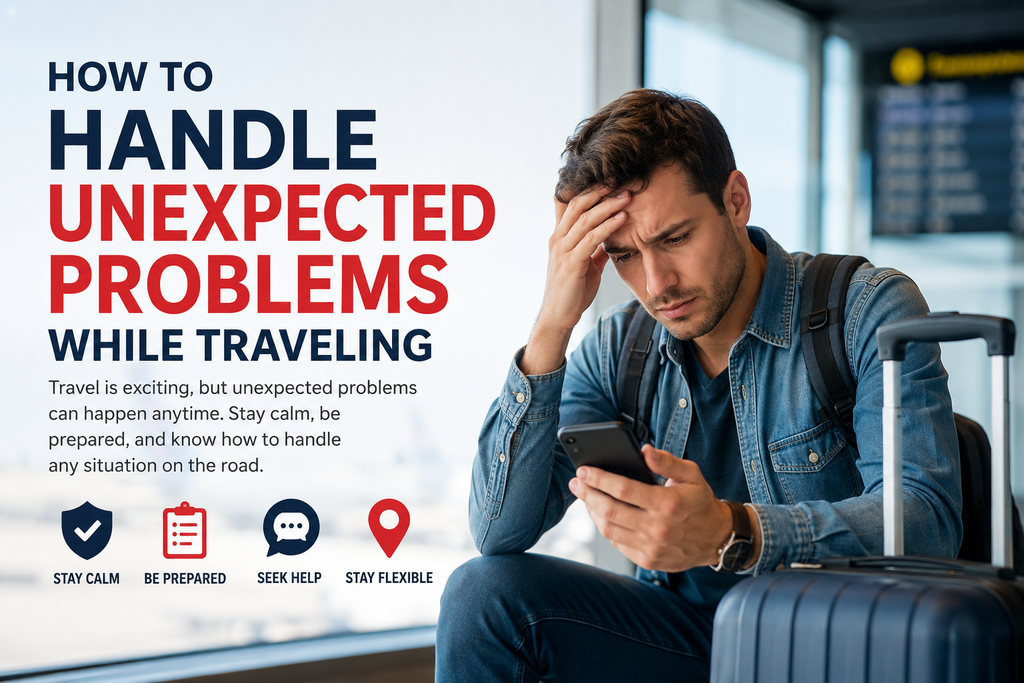
The first thing I try to do when facing an unexpected problem while traveling is stay calm. It is easy to panic when a flight is canceled or a wallet is lost, but panic rarely helps me make a good decision.
When something unexpected happens, I take a moment to understand the situation. I ask myself what happened, what I need immediately, and who can help me. This simple approach helps me avoid making rushed decisions.
For example, if my flight is delayed, I do not immediately assume that my entire trip is ruined. I check the latest information, speak with the airline, and look at my available options. Staying calm gives me more control over the situation.
Keep Important Documents Safe
Travel documents are some of the most important things I carry. Before leaving home, I make copies or digital backups of my passport, identification documents, travel insurance information, hotel reservations, and important booking details.
I keep digital copies in a secure location that I can access when needed. I also keep important documents separate from my main wallet when possible.
If I lose a document during a trip, having a backup can make the process much easier. I can contact the appropriate authority and provide the information they need without starting completely from zero.
Have a Backup Plan for Transportation
Transportation problems are among the most common unexpected travel problems. Flights can be delayed or canceled, trains can be late, and local transportation may not operate as expected.
I always try to understand what alternatives are available before I travel. If I am visiting a new city, I learn about taxis, public transportation, ride services, and other reliable options.
When transportation changes unexpectedly, I compare the available choices instead of immediately choosing the most expensive option. Sometimes waiting for the next service is better than paying for an unnecessary alternative.
Flexibility is especially important during busy travel seasons. Having a general backup plan can save both time and money.
Know What to Do If Your Luggage Is Lost
Lost luggage can be extremely frustrating. If my checked bag does not arrive, I first contact the airline’s baggage service desk before leaving the airport.
I provide my baggage information and keep any claim reference number they give me. I also keep receipts for necessary purchases if the airline provides instructions about reimbursement.
Another habit I find useful is keeping essential items in my carry on bag. Important medication, documents, chargers, basic clothing, and valuable personal items should not normally be placed in checked luggage.
This does not prevent luggage from getting lost, but it can make the situation much easier to manage.
Protect Your Money
Money problems can quickly become serious when traveling. Losing a wallet or having a payment card stop working can leave me in a difficult situation.
I prefer not to keep all my money and cards in one place. Having a backup payment method can be very helpful if the main card is lost or blocked.
Before traveling, I also make sure I know how to contact my bank or card provider. If my card is lost, I can report it quickly instead of spending hours trying to figure out what to do.
Carrying a small amount of emergency cash can also be useful, particularly when visiting places where card payments may not always be available.
Deal With Hotel Problems Politely
Hotel problems can happen even when I carefully research accommodation. A room may not look exactly like the pictures, a reservation may be missing, or there may be an unexpected issue with the room.
My first step is usually to speak politely with the hotel staff. In many situations, staff members can solve a problem quickly when I clearly explain what happened.
I keep my booking confirmation available so I can show the details of my reservation. If the issue cannot be solved immediately, I ask what alternatives are available.
Being respectful does not mean accepting poor service. It simply makes communication easier and increases the chance of finding a practical solution.
Prepare for Bad Weather
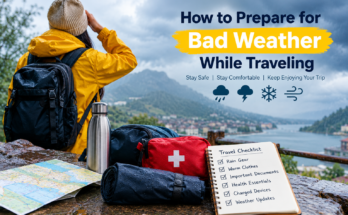
Weather can change travel plans very quickly. Heavy rain, storms, extreme heat, or other weather conditions can affect transportation and outdoor activities.
Before visiting a destination, I check the expected weather and plan some indoor alternatives. For example, if I have planned an outdoor sightseeing day and the weather becomes unsuitable, I can visit a museum, shopping area, cultural center, or another indoor attraction instead.
I have found that having alternative activities makes travel less stressful. Instead of feeling disappointed about a canceled plan, I can simply change the plan.
Learn Basic Local Information
One of the best ways to handle unexpected problems while traveling is to understand the destination before arriving.
I usually research basic information such as local transportation, emergency services, important local rules, common payment methods, and the location of my accommodation.
I also save important addresses and phone numbers before leaving. This can be particularly useful if my internet connection is weak or my phone battery becomes low.
I do not need to know everything about a destination. Even a small amount of preparation can make an unfamiliar situation easier to handle.
Keep Your Phone Charged
A smartphone can be extremely useful during travel. I can use it for maps, communication, translation, reservations, banking, transportation information, and emergency contacts.
Because of this, I try to keep my phone charged whenever possible. Carrying a power bank can also be helpful during long journeys.
I also recommend saving important information offline. If I suddenly lose internet access, I can still access important addresses, booking details, and other information that I saved earlier.
Ask for Help When You Need It
Sometimes the best solution is simply asking someone for help. When I face a problem that I cannot solve myself, I look for an appropriate person who can assist me.
This might be an airline employee, hotel receptionist, official information desk, transportation worker, or local authority.
I try to explain the problem clearly and calmly. If there is a language barrier, translation tools can help communicate basic information.
There is no benefit in pretending that everything is fine when I genuinely need assistance. Asking for help can save time and prevent a small problem from becoming a much bigger one.
Keep Emergency Contacts Available
Before traveling, I like to keep important contacts in more than one place. I can save them in my phone and also keep a written record of essential information.
Useful contacts may include my accommodation, transportation provider, travel insurance company, bank, and relevant local authorities.
If my phone is lost or unavailable, having another way to access important information can be extremely useful.
Be Flexible With Your Plans
One lesson I have learned from traveling is that flexibility matters more than having a perfect schedule.
I can plan every detail of a trip, but I cannot control traffic, weather, delays, cancellations, or other people’s actions. If I become too attached to one specific plan, even a small change can become stressful.
Instead, I try to focus on the overall goal of the trip. If I miss one attraction, there may be another interesting place to visit. If a restaurant is closed, I can try something different. If transportation changes, I can look for another route.
Flexibility helps me enjoy the journey rather than constantly worrying about the original schedule.
Learn From Every Travel Problem
Unexpected travel problems are frustrating, but they can also teach valuable lessons. After a difficult situation, I try to think about what I could do differently next time.
Maybe I should have carried a backup card. Maybe I should have arrived at the airport earlier. Maybe I should have saved an important address offline.
These small lessons can improve future trips. Over time, I become better at preparing for problems without becoming overly worried about them.
Final Thoughts
Unexpected problems while traveling are almost impossible to avoid completely. The goal is not to create a trip where nothing goes wrong. The goal is to know how to respond when something does go wrong.
From my point of view, staying calm, protecting important documents, keeping backup payment options, preparing for transportation changes, securing essential belongings, and asking for help when necessary can make a major difference.
Most importantly, I try to remember that travel is about experiences, not perfection. A delayed flight, lost bag, rainy afternoon, or changed reservation may become an unexpected part of the story. When I stay prepared and flexible, I can handle travel problems with more confidence and continue enjoying the journey.
The better I prepare before leaving home, the easier it becomes to handle unexpected problems while traveling. Good preparation does not remove every challenge, but it gives me the confidence to face those challenges and find a practical solution.