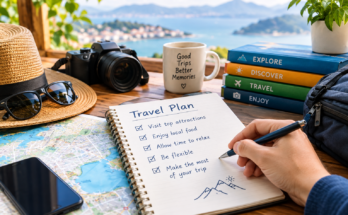

Travel is one of my favorite ways to take a break from normal life, discover new places, and create memories. However, I have learned that a good trip does not always mean filling every hour of the day with activities. If travel planning does not match your daily routine, it can quickly become tiring instead of enjoyable.
For me, the best approach is to plan travel around the way I normally live. This means thinking about my sleeping schedule, meals, work, exercise, rest, and personal habits before creating a travel itinerary. When these things are considered, a trip feels more natural and less stressful.
In this article, I will share how to plan your travel around your daily routine so you can enjoy your destination without completely disturbing your normal lifestyle.
Understand Your Daily Routine First
Before planning a trip, I recommend looking at your normal day. Think about what you usually do from morning until night.
Ask yourself when you normally wake up, when you feel most energetic, when you eat meals, when you work or study, and when you usually relax. Also consider your sleeping habits and the amount of rest you need.
This simple exercise can make travel planning much easier.
For example, if you normally wake up at 7 AM, you may not enjoy booking activities at 5 AM every morning during your vacation. Similarly, if you usually go to bed around 10 PM, planning late night activities every day may leave you exhausted.
Your travel itinerary should give you new experiences while still respecting your basic needs.
Choose Travel Dates That Fit Your Schedule
One of the most important parts of travel planning is choosing the right dates.
I always suggest checking your work, school, family responsibilities, and other important commitments before booking anything. A short trip during a less busy period can sometimes be better than a long vacation when you have too many responsibilities waiting for you.
If you work during weekdays, you might plan a weekend trip or use a few vacation days to create a longer break. If your schedule is flexible, you can choose quieter travel periods when destinations may be less crowded.
Planning around your routine can also help you return home without feeling overwhelmed by unfinished responsibilities.
Do Not Overload Your Travel Itinerary
One mistake I often see in travel planning is trying to visit too many places in a short period.
It may look exciting to create an itinerary with several attractions every day, but this can become exhausting. Travel already involves transportation, waiting, walking, finding food, and adjusting to unfamiliar surroundings.
I prefer leaving some free time between activities.
For example, instead of visiting five attractions in one day, choose two or three important places and leave the remaining time open. You can use that extra time for coffee, shopping, relaxing at your hotel, or simply walking around the destination.
A flexible travel itinerary gives you room to enjoy unexpected experiences.
Plan Around Your Most Productive Hours
Everyone has different energy levels throughout the day. Some people love exploring early in the morning, while others become more active in the afternoon or evening.
When I plan a trip, I think about when I normally have the most energy.
If you are naturally an early riser, morning sightseeing can be a great choice. You may enjoy visiting popular attractions before they become crowded. After lunch, you can slow down and enjoy a more relaxed activity.
If you are more energetic later in the day, you can keep your mornings simple and schedule sightseeing for the afternoon.
There is no perfect travel schedule for everyone. The best schedule is the one that matches your personal rhythm.

Keep Your Meal Routine in Mind
Food is an important part of travel, but completely changing your eating routine can sometimes make you uncomfortable.
Before traveling, think about your usual breakfast, lunch, and dinner times. Then check whether restaurants and activities at your destination fit those times.
I also recommend keeping some simple snacks with you, especially when you know you will spend several hours sightseeing.
Trying local food is one of the best parts of traveling, so you do not need to follow your normal diet perfectly. The goal is simply to maintain enough structure that you feel comfortable and energetic.
A good travel meal plan can make long sightseeing days much easier.
Make Time for Exercise
Travel often changes our normal physical activity. Some people walk more while traveling, while others stop exercising completely.
If exercise is already part of your daily routine, try to maintain it during your trip.
You do not necessarily need a gym. A morning walk, a short hotel workout, swimming, hiking, or simply walking around a new city can keep you active.
I believe exercise during travel should feel enjoyable rather than like another responsibility. You are already exploring a new place, so use that opportunity to stay active naturally.
Protect Your Sleep Schedule
Sleep is one part of travel planning that should not be ignored.
Late nights, early flights, long journeys, and different time zones can affect your energy. If you do not get enough sleep, even an exciting destination can become difficult to enjoy.
Try to keep your sleeping schedule reasonably close to your normal routine when possible.
If you have a busy day planned, avoid scheduling another exhausting activity late at night. Give yourself enough time to return to your accommodation, relax, and prepare for the next day.
For international travel, you should also consider jet lag. Give your body some time to adjust instead of immediately creating a packed itinerary.
Balance Work and Travel
For people who work remotely, travel can create a unique challenge. You may want to explore during the day while still completing your professional responsibilities.
In this situation, I recommend creating specific work hours before planning sightseeing.
For example, you could work in the morning and explore in the afternoon. Another option is to explore early, return to your accommodation for work, and enjoy the evening afterward.
The important thing is to avoid mixing work and sightseeing constantly. Having separate blocks of time can help you concentrate on both.
If your trip is a complete vacation, try to disconnect from unnecessary work messages whenever possible.
Create a Flexible Daily Travel Plan
I find that a simple daily travel plan works better than an extremely detailed schedule.
For each day, choose a few priorities.
You might write down one major attraction, one food experience, and one relaxing activity. Everything else can remain flexible.
For example, your plan could look like this:
Wake up and have breakfast.
Visit one major attraction.
Have lunch and take a short break.
Explore a nearby area.
Return to the hotel and rest.
Have dinner.
Enjoy a relaxed evening.
This kind of travel schedule gives your day structure without making you feel trapped by the clock.
Consider Travel Time Carefully
Transportation can take more time than expected. This is why I always recommend checking travel time between activities before finalizing an itinerary.
If two attractions are far apart, visiting both on the same day may waste several hours.
Instead, group activities based on location. Visit places that are close to each other on the same day.
This approach saves transportation time and gives you more time to actually enjoy the destination.
It can also reduce stress because you will not constantly worry about catching buses, trains, taxis, or other transportation.
Keep Your Personal Habits
A vacation does not mean you have to forget everything about your normal life.
If you enjoy reading before bed, continue reading. If you like drinking coffee in the morning, find a local café. If you normally spend a few quiet minutes alone each day, make space for that too.
These small habits can make an unfamiliar place feel comfortable.
In my opinion, the best trips combine new experiences with a few familiar routines. You get the excitement of travel without feeling completely disconnected from your normal lifestyle.
Leave Recovery Time After Traveling
Another useful travel planning tip is to think about what happens after you return home.
If possible, avoid returning late at night and immediately going back to a busy schedule the next morning.
Give yourself some recovery time after a long journey. Unpacking, doing laundry, organizing photos, shopping for groceries, and getting back into your normal routine can take time.
Even one free day after a longer trip can make the transition much easier.
Final Thoughts
Planning your travel around your daily routine does not mean making your vacation boring or predictable. For me, it means creating a balance between exploring something new and taking care of the habits that help me feel good.
Start by understanding your normal schedule. Choose suitable travel dates, plan activities around your energy levels, protect your sleep, maintain reasonable meal and exercise habits, and avoid filling every hour with sightseeing.
Most importantly, leave some room for flexibility.
A travel itinerary should guide your trip, not control every minute of it. When your travel plans work with your daily routine instead of against it, you can explore more comfortably, reduce unnecessary stress, and enjoy your journey in a much more meaningful way.
The goal of travel is not simply to see as many places as possible. It is to enjoy the experience, discover something new, and return home with good memories. A thoughtful travel plan can help you do exactly that.
WordPress featured image: created above in an AdSense friendly, travel planning style.