Planning your first vacation can feel exciting, but it can also feel confusing when you do not know where to begin. In my experience, a good vacation does not start when you reach your destination. It starts with proper planning at home. When you take some time to organize your budget, destination, travel documents, packing, accommodation, and daily activities, the whole trip becomes much easier to enjoy.
If this is your first vacation, you do not need to create a complicated plan. A simple and realistic travel plan can help you avoid unnecessary stress and make your journey more enjoyable. In this article, I will share how I would plan a first vacation from home, including the important things I would consider before leaving.
Decide What Kind of Vacation You Want
The first step in planning your first vacation is deciding what kind of experience you want. Everyone has different travel interests. Some people enjoy relaxing near the beach, while others prefer exploring cities, visiting historical places, hiking, or trying local food.
I recommend thinking about what you actually want from the trip instead of choosing a destination simply because it is popular. If your main goal is relaxation, a busy city may not be the best choice. If you enjoy sightseeing, staying at a resort for the entire trip may not be satisfying.
Write down a few things you want to experience during your vacation. This simple step can make it easier to choose a suitable destination.
Choose a Destination Carefully
Once you know what type of vacation you want, start looking for destinations that match your interests. As a first time traveler, I believe it is better to choose a destination that is relatively easy to reach and comfortable to explore.
Consider the travel distance, transportation options, accommodation, weather, local attractions, and general costs. You should also research whether the destination is suitable for the amount of time you have available.
There is no need to travel extremely far for your first vacation. A nearby city or another location within your country can provide a wonderful travel experience while allowing you to learn the basics of vacation planning.
Set a Realistic Vacation Budget
One of the most important parts of planning a vacation is creating a budget. Many first time travelers focus only on the hotel and transportation costs and forget about smaller expenses.
I like to divide the vacation budget into different categories. These can include transportation, accommodation, food, activities, shopping, local transportation, and emergency expenses.
Try to leave some extra money available for unexpected costs. A delayed journey, additional transportation, or an unplanned activity can increase your expenses.
Having a clear budget also helps you decide what you can comfortably afford. A vacation should be enjoyable, not something that creates financial stress after you return home.
Decide How Long You Will Stay
The length of your vacation depends on your budget, available time, and destination. For a first vacation, a shorter trip can sometimes be easier to manage.
A two or three day trip may be enough for a nearby destination. If you are traveling a long distance, you may want to stay longer so that you do not spend most of your vacation traveling.
I recommend creating a simple schedule before booking anything. Think about how much time you will spend traveling and how much time you will actually have for sightseeing and relaxation.
Research Transportation
Transportation is another important part of travel planning. Before leaving home, research how you will reach your destination and how you will move around after arriving.
Depending on your trip, you may use a car, bus, train, or airplane. Compare the costs and travel times before making your decision.
Also research local transportation. Some destinations have convenient public transportation, while others may require taxis, rental cars, or other options.
For your first vacation, I suggest choosing transportation that feels practical and easy to understand. Saving a small amount of money is not always worth making your entire journey complicated.
Book Your Accommodation
Choosing the right place to stay can make a major difference to your vacation experience. Before booking a hotel or other accommodation, check its location, facilities, reviews, cancellation conditions, and total price.
I prefer accommodation that is conveniently located near the places I want to visit. A cheaper hotel that is very far from everything may cost more in transportation and take more time.
Read recent guest reviews carefully and look for repeated comments about cleanliness, location, noise, and service. Do not rely only on photographs because pictures may not always provide the complete picture.
Prepare Your Travel Documents
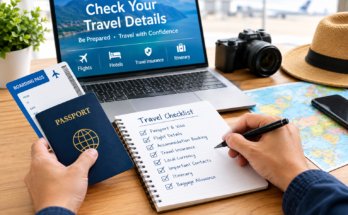
Travel documents should be one of the first things you organize after deciding where you are going. Depending on your destination, you may need identification, a passport, visa documents, tickets, hotel booking information, travel insurance documents, or other paperwork.
Check the requirements well before your departure date. If you are traveling internationally, make sure your passport has enough validity for your trip and confirm the entry requirements for your destination.
I also recommend keeping digital copies of important documents in a secure location. Having backup copies can be useful if an original document becomes lost or damaged.
Make a Simple Vacation Itinerary
A vacation itinerary does not need to include every minute of your day. In fact, I think an overly detailed schedule can make a trip less enjoyable.
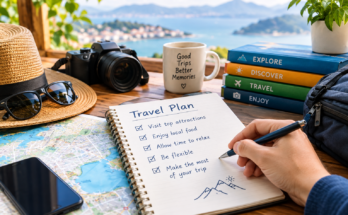
Instead, create a simple daily plan. Choose one or two major activities for each day and leave some free time for relaxation, food, shopping, or unexpected discoveries.
For example, you could plan a sightseeing activity in the morning, lunch at a local restaurant, and a relaxed afternoon. This gives you structure without making the vacation feel like a strict timetable.
Research Activities Before Leaving
Before your first vacation, research the attractions and activities available at your destination. Look for places that genuinely interest you rather than trying to visit everything.
Make a short list of must see locations and another list of optional activities. This approach gives you flexibility if the weather changes or you become tired.
You can also check opening hours, ticket requirements, and estimated visit times before leaving home. This can save you from wasting valuable vacation time.
Pack According to Your Trip
Packing is easier when you know what you will actually need. I recommend checking the weather forecast and planning your clothing around your activities.
Avoid taking too many things simply because you think you might need them. Extra luggage can make transportation more difficult.
Create a basic packing list that includes clothing, toiletries, medications if needed, chargers, identification, travel documents, and any equipment required for your activities.
If you are flying, check your airline’s current baggage rules before packing. Different airlines can have different requirements.
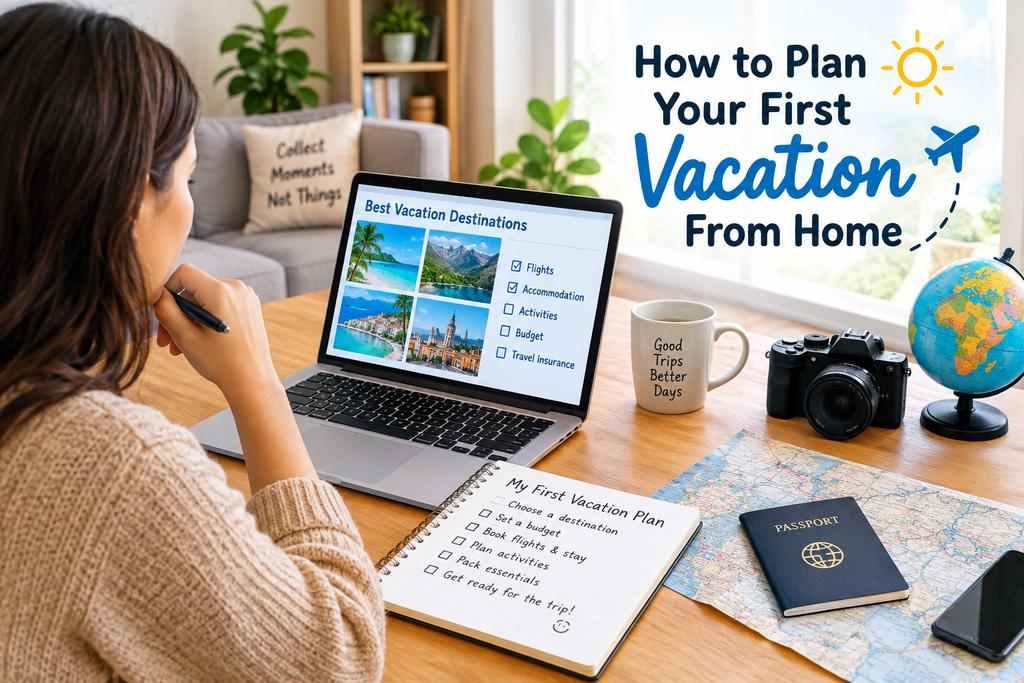
Prepare Your Home Before Leaving
Planning a vacation is not only about preparing for the destination. You should also prepare your home before you leave.
Take care of bills, clean the house, check appliances, secure doors and windows, and arrange for any necessary pets or plants to be looked after.
I find that leaving home in an organized condition makes the beginning of a vacation much less stressful. You can travel knowing that important responsibilities have already been handled.
Keep Emergency Information Ready
Even when you expect everything to go smoothly, it is smart to prepare for unexpected situations. Keep important contact information available, including your accommodation, transportation provider, emergency services, and trusted contacts.
If you are traveling internationally, learn about the local emergency number and the location of your country’s embassy or consulate if applicable.
You do not need to worry about every possible problem. The purpose of preparation is simply to know what to do if something unexpected happens.
Avoid Overplanning Your First Vacation
One mistake I would avoid on a first vacation is trying to do too much. It is tempting to create a long list of attractions and activities, but this can quickly become exhausting.
Give yourself enough time to rest and enjoy the surroundings. Sometimes a relaxed meal, a walk through a local area, or simply sitting somewhere with a nice view becomes one of the best memories of a trip.
A successful vacation is not measured by how many places you visit. It is about how much you enjoy the experience.
Check Everything Before Departure
A few days before leaving, review your complete travel plan. Confirm transportation, accommodation, tickets, documents, weather, packing, and important reservations.
Check your phone, charger, wallet, identification, and other essential items before leaving home.
I also recommend checking your departure time carefully and giving yourself extra time for transportation. Rushing to catch a bus, train, or flight can create unnecessary stress at the very beginning of your vacation.
Enjoy Your First Vacation
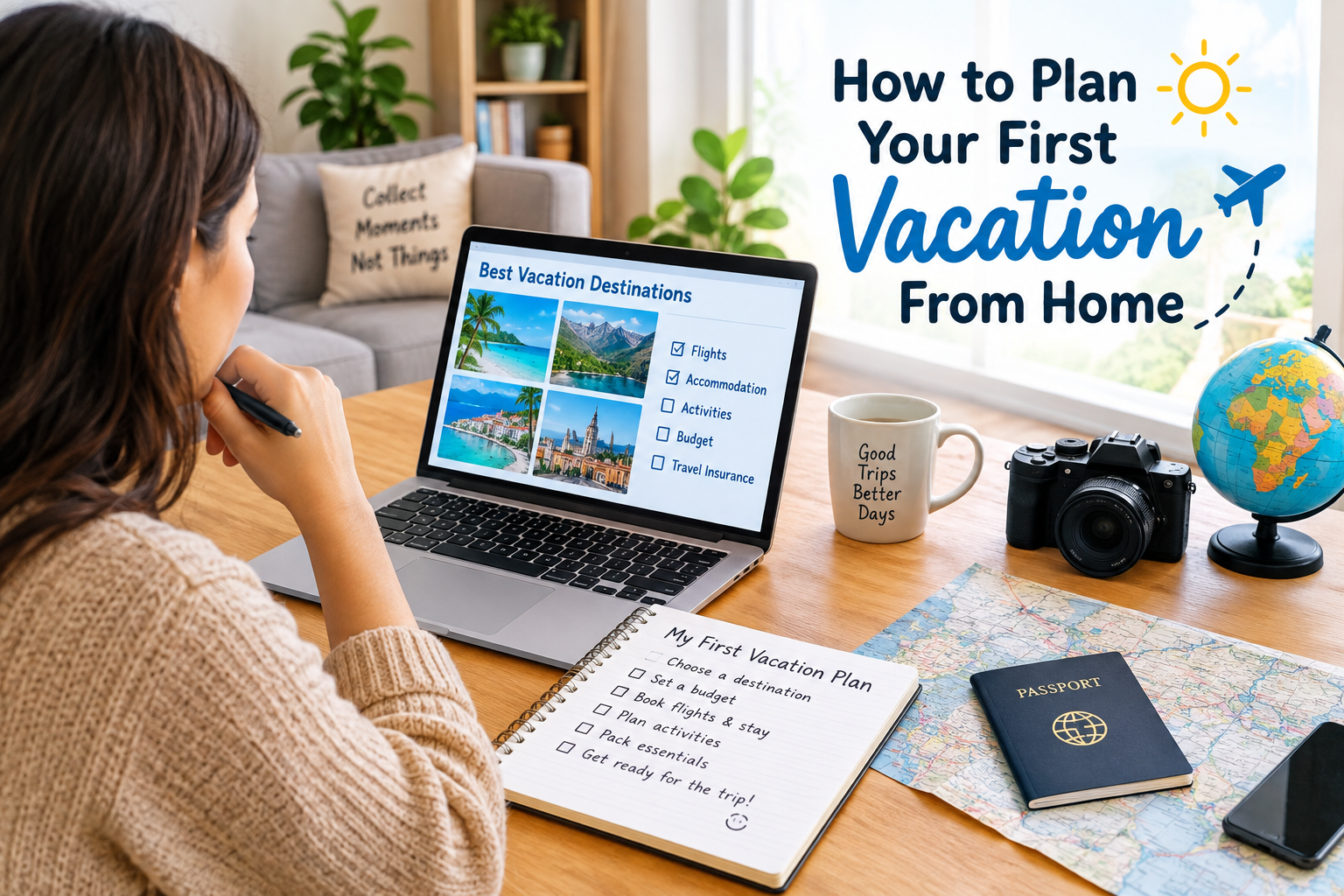
Planning your first vacation from home does not have to be complicated. Start by choosing the right destination, setting a realistic budget, organizing transportation and accommodation, preparing documents, and creating a flexible itinerary.
From my point of view, the best travel plan is one that gives you enough structure to feel prepared while leaving enough freedom to enjoy the moment. You do not need a perfect vacation. You simply need a plan that works for your time, budget, and interests.
Your first vacation is also a learning experience. You will discover what type of accommodation you prefer, how much luggage you really need, how you like to organize activities, and what makes travel comfortable for you.
With a little preparation and a positive attitude, your first vacation can become an exciting and memorable experience. Start planning early, keep things simple, and give yourself the freedom to enjoy the journey as much as the destination.