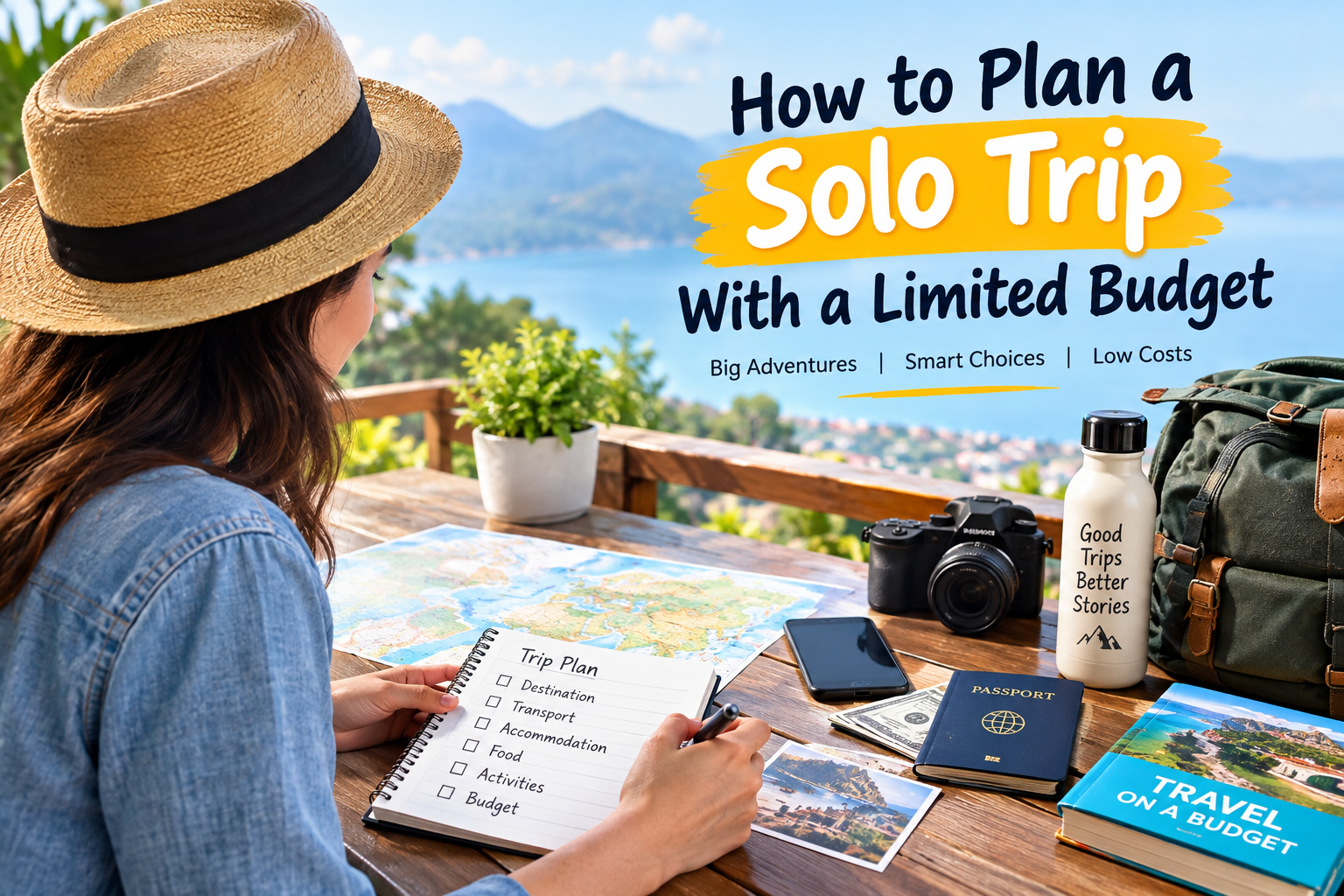
Traveling alone can be one of the most exciting experiences in life. You get the freedom to choose where you want to go, what you want to see, where you want to eat, and how you want to spend your time. However, many people believe that solo travel is expensive because there is no one to share the costs with. From my point of view, this is not always true. With some careful planning and smart choices, it is possible to plan a solo trip with a limited budget and still have a great experience.
I believe the key to affordable solo travel is not avoiding everything enjoyable. It is about knowing where your money is going and making better decisions before and during the trip. In this guide, I will share the methods I would use to plan a budget friendly solo trip without making the experience stressful.
Set a Realistic Travel Budget
The first thing I would do before planning a solo trip is decide exactly how much money I can afford to spend. Having a clear travel budget makes every other decision easier.
I would divide my budget into different categories such as transportation, accommodation, food, activities, local travel, and emergency expenses. I would also keep a small amount of money separate for unexpected situations.
For example, if I have a total budget of 500 dollars, I would not plan a trip that requires exactly 500 dollars. I would leave some money unused as an emergency reserve. This gives me peace of mind and protects me from unexpected costs.
Choose an Affordable Destination
Choosing the right destination can make a huge difference when traveling on a limited budget. Some places are naturally more expensive than others because of accommodation prices, transportation costs, food prices, and tourist attractions.
When I plan a budget trip, I look for destinations where I can enjoy interesting places without spending too much money. Smaller cities, local towns, nature destinations, and less crowded areas can often provide better value than famous tourist locations.
I also consider the exchange rate if I am traveling internationally. A destination where accommodation and food are affordable can make my money last much longer.
Travel During the Off Season
One of my favorite ways to save money on travel is choosing the right time to visit a destination. Popular tourist seasons usually come with higher prices for flights, hotels, and activities.
If my schedule is flexible, I prefer traveling during the shoulder season or off season. During these periods, I may find cheaper accommodation and transportation. Attractions can also be less crowded, which makes the trip more comfortable.
Before booking anything, I would check the typical busy and quiet periods for my destination. I would also consider the weather because saving money is not useful if the conditions make the trip unpleasant.
Find Affordable Transportation
Transportation can become one of the biggest expenses on a solo trip. This is why I always compare different transportation options before making a booking.
Depending on the destination, buses, trains, shared transportation, or budget airlines may be cheaper than other choices. I would compare the total cost instead of looking only at the ticket price.
For example, a cheap flight may not actually be cheap if it includes expensive baggage fees and costly transportation from the airport. Sometimes a slightly more expensive option can save money overall.
For local travel, I prefer walking when the destination is safe and the distance is reasonable. Public transportation can also be a great way to reduce daily travel expenses.
Choose Budget Friendly Accommodation
Accommodation is another major part of a solo travel budget. Since I am traveling alone, I do not necessarily need a large hotel room with expensive facilities.
Depending on the destination, I might consider a hostel, guesthouse, simple hotel, homestay, or budget apartment. I would always check reviews and location before booking.
A cheap room far away from everything may cost more in the long run because of transportation expenses. I would rather choose reasonably priced accommodation in a convenient and safe location.
I also look for accommodation that includes useful facilities such as free WiFi, breakfast, a kitchen, or access to laundry facilities. These small benefits can reduce other travel expenses.
Save Money on Food
Food is an enjoyable part of traveling, but eating at expensive restaurants for every meal can quickly use up a limited budget.
When I travel, I like to experience local food, but I do not think every meal needs to be expensive. Local restaurants, markets, bakeries, and small food shops can offer delicious meals at much lower prices.
If my accommodation has a kitchen, I can also prepare some simple meals myself. Buying fruit, snacks, drinks, and breakfast items from a local supermarket can save money.
I would also carry a reusable water bottle whenever possible. Buying bottled drinks repeatedly can become an unnecessary daily expense.
Plan Free and Low Cost Activities
A limited budget does not mean sitting inside the hotel all day. Many destinations have plenty of free or inexpensive things to do.
I would look for public parks, walking areas, beaches, museums with free entry days, local markets, historic neighborhoods, viewpoints, cultural events, and public attractions.
Walking around a city can also be an activity itself. I enjoy discovering local streets and observing everyday life because these experiences can sometimes become more memorable than expensive tourist attractions.
Before visiting a destination, I would make a list of free activities. This helps me create a fun itinerary without spending money every few hours.
Avoid Unnecessary Tourist Expenses
When I travel, I try to separate experiences I genuinely want from things I feel pressured to buy. Tourist areas often contain expensive souvenirs, tours, restaurants, and activities.
I do not think there is anything wrong with spending money on something special. However, I would rather spend my limited budget on experiences that I will actually remember.
For example, instead of buying several expensive souvenirs, I might buy one meaningful item. Instead of booking every available tour, I might choose one activity that interests me the most.
Pack Carefully Before Leaving
Packing properly can also help reduce travel costs. I make a list before leaving so I do not forget important items.
Depending on the destination, I might pack basic toiletries, comfortable clothing, medication that I normally use, a reusable water bottle, charging equipment, and other essentials.
For air travel, packing efficiently can also help avoid unnecessary baggage fees. I try to understand the baggage rules before booking a ticket so there are no surprises at the airport.
Use Travel Apps and Online Tools
Technology can make budget travel much easier. Before my trip, I would use travel websites and apps to compare transportation, accommodation, maps, and activities.
I can also download offline maps so I do not have to depend on mobile data all the time. Keeping digital copies of important bookings can make the trip more organized.
I would also research free attractions and local transportation before arriving. A little research at home can prevent expensive decisions later.
Keep an Emergency Fund
Even when I am trying to save money, I never want to spend my entire travel budget. Solo travelers should be especially careful because there may not be another person available to help with unexpected expenses.
I would keep an emergency fund separate from my normal daily spending money. This money could be useful if transportation changes, a booking problem occurs, or an unexpected expense appears.
I would also keep my important documents and payment methods secure while traveling.
Avoid Overplanning Your Trip
Budget travel does not mean planning every minute. In fact, I think overplanning can sometimes increase expenses.
If I create a packed schedule, I may feel pressured to pay for transportation and activities just to follow the plan. Instead, I prefer leaving some free time in my itinerary.
A simple travel plan with a few important activities gives me more freedom. I can explore nearby places, relax, walk around, or choose an inexpensive activity depending on how I feel.
Track Your Spending Every Day
One simple habit that can help with budget travel is recording expenses. I would keep track of transportation, food, accommodation, shopping, and activities.
This does not need to be complicated. A simple note on my phone can be enough.
When I know how much I have already spent, I can adjust my plans if necessary. If I spend more than expected one day, I can choose cheaper activities or meals the next day.
Focus on Experiences Instead of Luxury
For me, the best part of solo travel is not staying in an expensive hotel or visiting every famous attraction. It is the feeling of discovering a new place independently.
A limited budget can actually make a trip more interesting because it encourages me to explore local areas and make thoughtful choices.
I would rather have a longer affordable trip with simple accommodation and meaningful experiences than spend my entire budget on luxury for only a few days.
Final Thoughts
Planning a solo trip with a limited budget is completely possible when you make thoughtful decisions. From choosing an affordable destination to finding budget friendly accommodation, using public transportation, eating local food, and enjoying free activities, there are many ways to reduce travel expenses.
From my experience and point of view, the most important thing is to create a realistic budget before making bookings. I would also keep an emergency fund, track daily expenses, and avoid spending money simply because something is popular with tourists.
Solo travel does not have to be expensive to be memorable. With the right planning, even a small budget can give you the opportunity to explore new places, meet interesting people, experience different cultures, and create memories that stay with you for years. The goal is not to spend the most money. The goal is to make the most of the money you have.