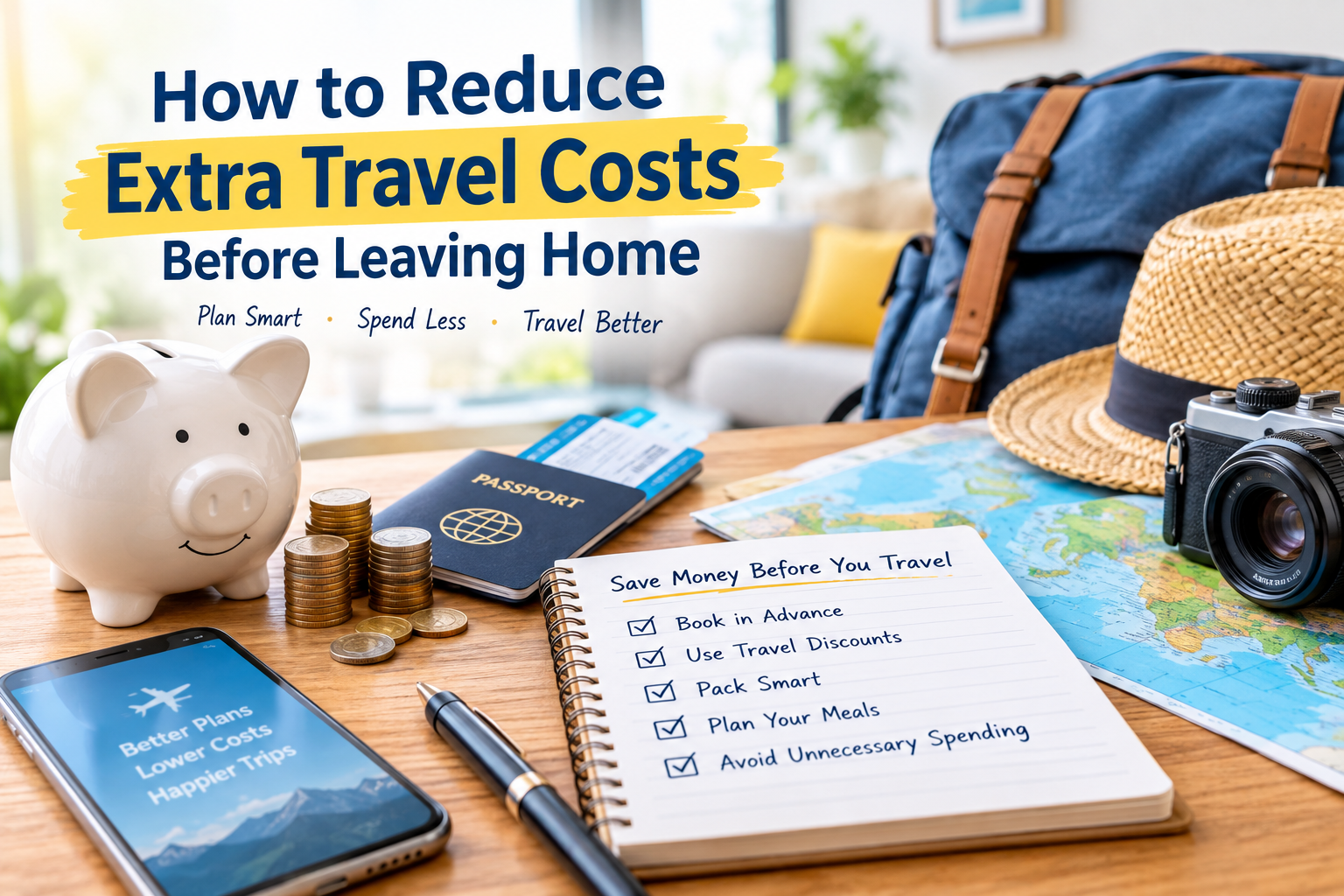
When I plan a trip, I always try to think about my expenses before I leave home. In my experience, saving money during a trip is not only about finding a cheap hotel or booking a low cost flight. Many unnecessary travel expenses can be avoided before the journey even begins.
A little preparation can make a big difference. When I take time to compare prices, organize my luggage, plan transportation, and think about daily spending, I usually have a much better idea of how much the trip will actually cost.
In this article, I will share some practical ways to reduce extra travel costs before leaving home. These tips are simple, realistic, and useful for anyone who wants to enjoy a trip without putting unnecessary pressure on their budget.
Create a Complete Travel Budget
The first thing I recommend is creating a complete travel budget before making too many bookings. Many travelers only calculate the cost of flights and hotels. However, a trip can include many smaller expenses.
I like to make a list that includes transportation, accommodation, food, activities, travel insurance, luggage fees, airport transportation, internet costs, and emergency money.
Once everything is written down, it becomes easier to see where money may be wasted.
A travel budget does not have to be complicated. Even a simple notebook or phone note can help. The important thing is to estimate your major expenses before leaving home.
Compare Transportation Prices
Transportation can become one of the biggest travel expenses, so I always compare different options before booking.
Depending on the destination, you may have several choices such as flights, trains, buses, or shared transportation. The cheapest option is not always the best one, but comparing prices can help you find a reasonable choice.
I also check the total cost instead of looking only at the advertised ticket price. A cheap flight may become expensive after adding baggage, seat selection, airport transfers, or other fees.
Looking at the complete price helps me make a better decision and avoid unexpected costs later.
Book Important Services Early
One useful way to reduce extra travel costs is booking important services at the right time. Flights, hotels, airport transfers, and popular activities can sometimes become more expensive as the travel date gets closer.
I prefer to research prices early and monitor them before making a final decision.
Booking early can also give you more choices. When you wait until the last minute, affordable rooms or convenient transportation options may already be unavailable.
However, I do not recommend booking something simply because it looks cheap. I always check the cancellation rules, taxes, fees, and other conditions first.
Check Your Hotel Carefully
A hotel price can sometimes look affordable at first but become much more expensive after additional charges.
Before booking accommodation, I check what is included in the price. I look for possible charges for breakfast, parking, internet, resort services, cleaning, or other facilities.
Location is also important. A cheaper hotel far away from the places I want to visit may actually cost more because of daily transportation.
For this reason, I compare the hotel price with its location and total expected transportation expenses.
Sometimes paying slightly more for a conveniently located hotel can save money overall.
Pack Smartly
Packing is another simple way to reduce travel costs.
When I pack without planning, I sometimes end up taking too many things. This can create additional baggage problems and make transportation less convenient.
Before leaving home, I check the baggage rules of my airline or transportation provider. Then I decide what I actually need.
I avoid packing unnecessary clothes and duplicate items. I also check the weather at my destination so I can take suitable clothing instead of buying things after arrival.
Smart packing can help prevent baggage fees and unnecessary shopping during the trip.
Prepare Basic Travel Essentials at Home
Some items can be much more expensive when purchased at airports or tourist areas. I prefer to prepare basic travel essentials at home whenever possible.
For example, I can organize toiletries, charging cables, reusable water bottles, snacks, medicines that I normally use, and other personal necessities before leaving.
This does not mean taking everything from home. It simply means checking what I already have before buying new items.
A quick look around the house can sometimes save a surprising amount of money.
Plan Your Airport Transportation
Airport transportation is an expense that many people forget when calculating their travel budget.
Before leaving home, I check how I will get to the airport and how I will travel from the airport to my accommodation.
Depending on the destination, public transportation, airport buses, trains, or shared rides may be cheaper than private transportation.
I also consider the timing of my flight. Sometimes leaving home slightly earlier allows me to use a cheaper transportation option instead of paying a premium for a last minute ride.
Planning this before travel makes the journey less stressful and can reduce unnecessary transportation costs.
Plan Some Meals in Advance
Food is another area where small daily expenses can quickly become a large part of a travel budget.
I do not believe that travelers need to avoid restaurants completely. Food is an important part of experiencing a new destination. However, I think it helps to have a basic meal plan.
Before leaving home, I research the general food prices at my destination. I can then estimate how much I should spend each day.
If my accommodation has a kitchen or breakfast included, I take that into account as well.
I also like carrying a few suitable snacks for the journey. This can prevent me from buying expensive food at airports or other transportation points.
Look for Free and Low Cost Activities
Another way to reduce travel costs is researching activities before leaving home.
Many destinations offer free parks, walking areas, public markets, museums with free admission days, cultural events, beaches, viewpoints, and historical areas.
I do not think a good trip requires expensive activities every day.
Before traveling, I make a list of the activities I really want to experience and then look for affordable alternatives. This gives me more flexibility and helps me avoid spending money simply because I have not planned anything.
Avoid Last Minute Shopping
Last minute shopping is one of the easiest ways to increase travel costs.
When people are rushing before a trip, they may buy new clothes, bags, electronics, travel accessories, and other items they do not really need.
I recommend making a checklist several days before leaving. Then you can see what you already own and what you genuinely need.
This approach helps separate necessary purchases from impulse purchases.
Check Your Phone and Internet Costs
Phone and internet charges can become an unexpected travel expense, especially when traveling internationally.
Before leaving home, I check whether my current mobile plan works at my destination and what roaming charges may apply.
Depending on the destination, there may be affordable travel data options or local connectivity choices.
I also download useful maps, booking information, tickets, and important documents before leaving. This reduces the need to use mobile data unnecessarily.
Review Subscriptions and Automatic Payments
This is a small detail, but I think it is worth checking before a long trip.
If you have subscriptions or services that you do not need while traveling, review them before leaving. Some services may continue charging automatically even when you are away.
I also make sure important bills and payments are organized before the trip.
The goal is not to cancel everything. It is simply to avoid paying for services that provide no value during your travel period.
Check Travel Documents Early
Replacing or fixing travel documents at the last minute can create unnecessary costs and stress.
Before leaving home, I check my passport, required visas, tickets, accommodation details, identification documents, and any destination specific requirements.
I also keep digital copies of important documents in a secure location.
Doing this early gives me enough time to solve problems without paying expensive last minute fees.
Build an Emergency Travel Fund
Even when I create a careful travel budget, I always think about unexpected expenses.
A delayed flight, lost item, transportation problem, or unexpected change in plans can cost money.
For this reason, I prefer to keep a small emergency amount separate from my normal daily travel budget.
This money is not intended for shopping or entertainment. It is there for genuine unexpected situations.
Having an emergency fund can also prevent you from making poor financial decisions when something unexpected happens.
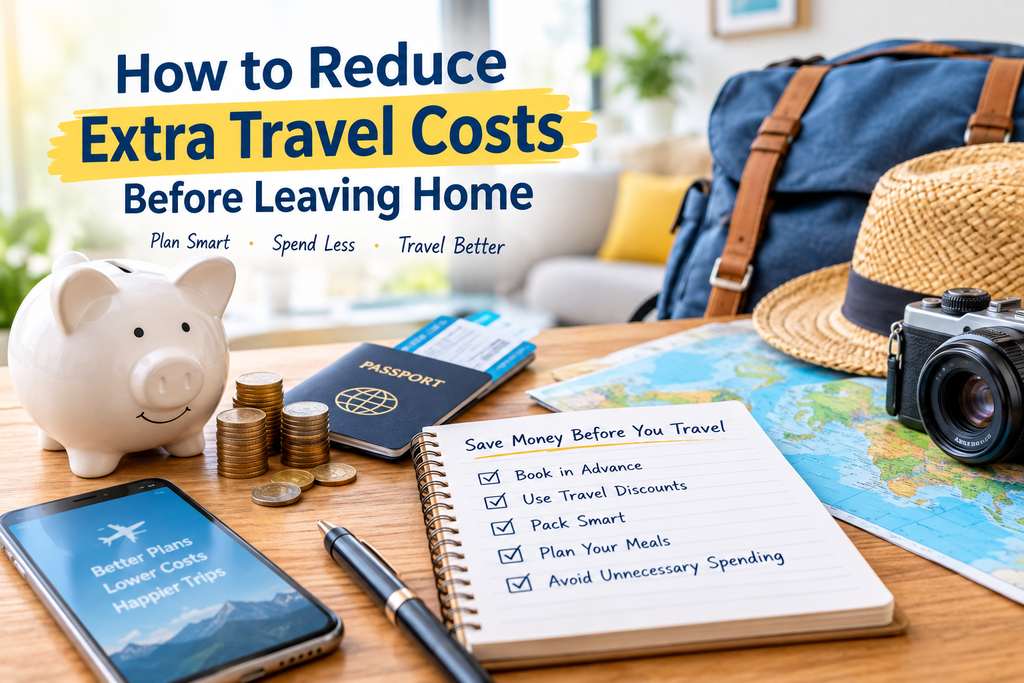
Make a Pre Travel Cost Checklist
Before leaving home, I recommend creating a simple checklist.
I check my transportation bookings, accommodation, baggage allowance, travel documents, airport transportation, phone plan, food budget, activities, and emergency money.
I also look at my expected daily spending.
This final review helps me identify expenses that I may have forgotten.
It only takes a few minutes, but it can prevent many unnecessary costs during the trip.
Final Thoughts
For me, reducing extra travel costs is mostly about preparation rather than sacrifice. I do not think traveling on a budget means removing all the enjoyable parts of a trip. It means spending money intentionally.
When I plan transportation, compare accommodation, pack carefully, prepare basic essentials, research activities, and create a realistic budget before leaving home, I have more control over my expenses.
The best part is that most of these money saving travel tips are simple and do not require much effort. A little planning at home can prevent expensive decisions later.
If you want to reduce extra travel costs before leaving home, start with the expenses you can control. Make a realistic budget, check every booking carefully, avoid unnecessary purchases, and prepare for common expenses before your journey begins.
In my view, smart travel is not about spending as little as possible. It is about getting more value from the money you decide to spend.