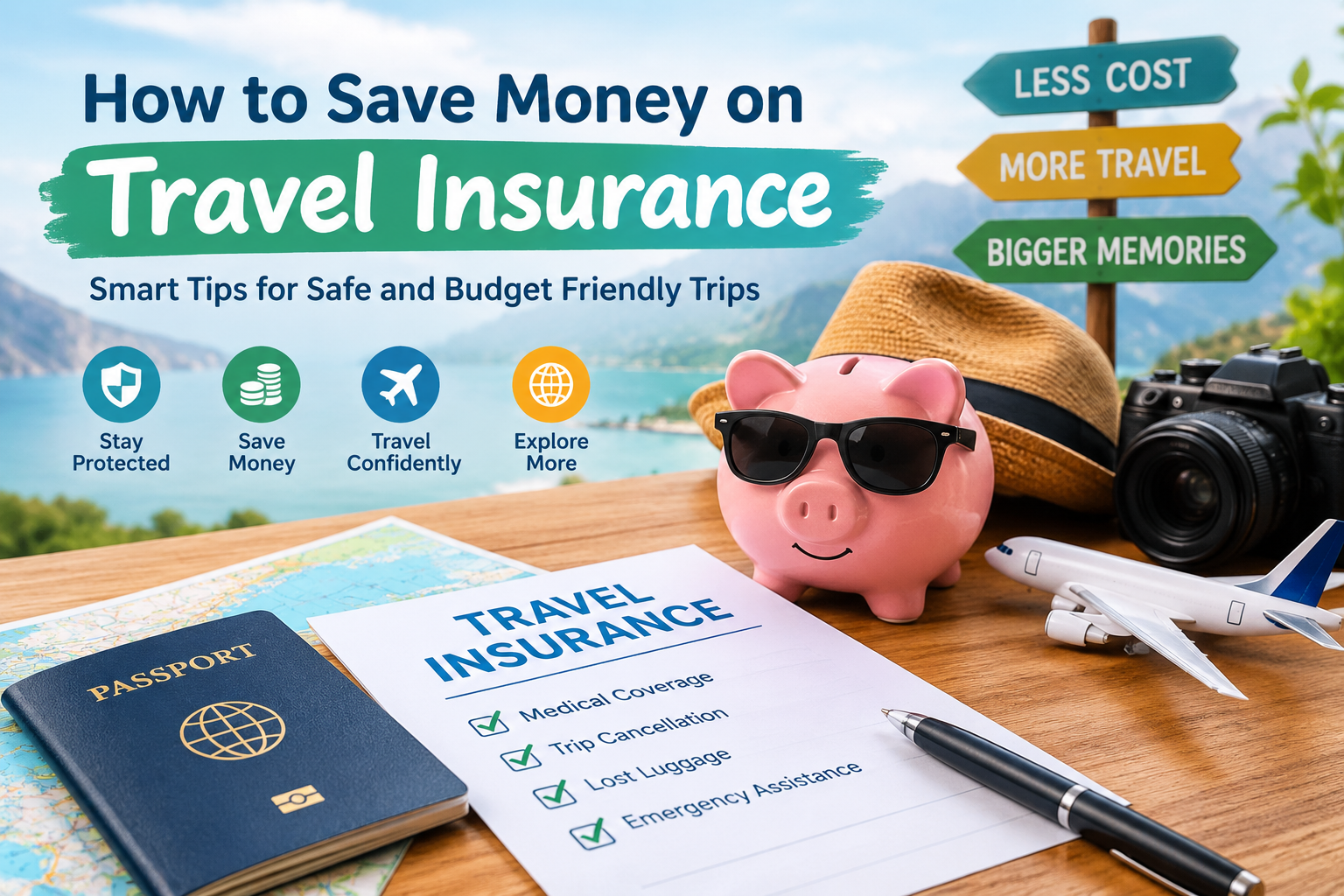
Travel insurance is one of those things I always recommend considering before going on a trip, but I also understand why many travelers try to keep its cost low. When I am planning a trip, I want to spend my money on flights, hotels, food, sightseeing, and experiences rather than paying more than necessary for insurance. The good news is that learning how to save money on travel insurance does not always mean choosing the cheapest policy available. It is more about finding the right coverage at a reasonable price.
Travel insurance can help protect you from unexpected expenses related to medical emergencies, trip cancellations, delays, lost luggage, and other travel problems. However, policies can be very different from one another. In my view, comparing the details carefully is one of the best ways to save money while still getting useful protection.
Compare Travel Insurance Plans Before Buying
One of the easiest ways to save money on travel insurance is to compare several plans before making a decision. I would never recommend buying the first policy that appears during the booking process without checking other options.
Different insurance providers can charge different prices for similar types of coverage. One plan may look expensive but include benefits that another cheaper plan does not offer. On the other hand, a cheap policy may contain limits that make it less useful for your particular trip.
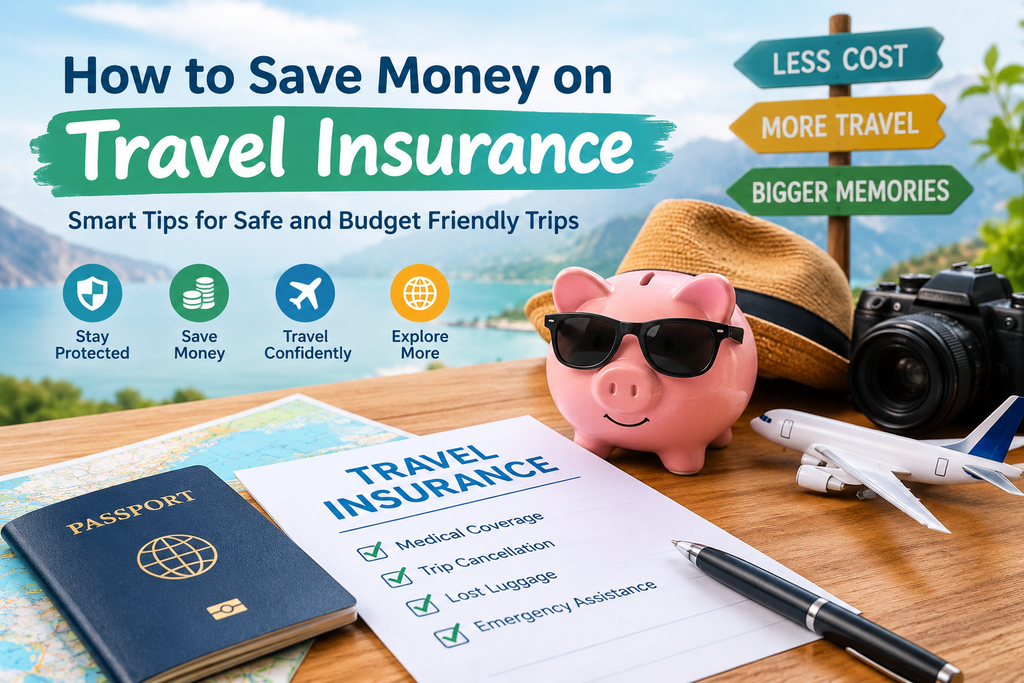
When comparing travel insurance plans, I usually look at the total price first, but I do not stop there. I also check medical coverage, trip cancellation protection, baggage coverage, emergency assistance, exclusions, deductibles, and policy limits.
A few minutes of comparison can help you avoid paying for unnecessary features.
Choose Coverage Based on Your Actual Trip
Another important way to save money on travel insurance is to choose coverage according to your trip instead of buying the biggest package available.
For example, a short domestic trip may not require the same level of protection as an expensive international vacation. A simple city break may also have different risks compared with an adventure trip involving skiing, hiking, or water activities.
I believe the best approach is to think about what could realistically go wrong during your journey. If you are traveling internationally, medical coverage may be particularly important. If your trip includes expensive prepaid bookings, trip cancellation coverage may deserve more attention.
You do not necessarily need every optional benefit offered by an insurance company.
Avoid Paying for Coverage You Already Have
Before purchasing travel insurance, I recommend checking whether you already have some protection through another service or financial product.
Some travelers may have certain travel related benefits through a credit card, existing insurance policy, employer benefits, or other memberships. The exact benefits and conditions vary, so it is important to read the terms instead of assuming you are covered.
If you already have a particular benefit, buying duplicate coverage may increase your travel costs without providing much additional value.
I always think it is better to understand what I already have before paying for something again.
Consider a Higher Deductible
A deductible is the amount you may have to pay yourself before certain insurance benefits apply. Depending on the policy, choosing a higher deductible can sometimes reduce the insurance premium.
This option can make sense for travelers who are comfortable handling smaller unexpected expenses themselves.
However, I would not choose a high deductible simply because the premium looks cheaper. I would first make sure that I could comfortably afford the deductible if I needed to make a claim.
Saving a small amount on the premium is not helpful if the policy becomes difficult to use when something goes wrong.
Buy Travel Insurance Early When Appropriate
Buying travel insurance early can sometimes be useful, especially when you have already paid for expensive non refundable travel arrangements.
Some policies provide certain cancellation benefits based on when the policy is purchased and when a covered event occurs. Because rules differ between providers, I recommend checking the policy conditions carefully.
Buying early is not always about getting the lowest price. It can also be about making sure you have access to the coverage you actually need.
When I plan an expensive trip, I prefer to understand my insurance options soon after making major bookings rather than leaving everything until the last minute.
Think Carefully About Optional Add Ons
Travel insurance providers often offer additional coverage for specific situations. These options can be useful, but they can also increase the overall price.
Before adding extra coverage, I ask myself whether I genuinely need it.
For example, if I am not taking part in a particular adventure activity, I would not pay extra for specialized activity coverage unless there is another reason I need it. Similarly, I would carefully consider optional upgrades that do not provide meaningful benefits for my type of trip.
The goal is not to remove important protection. The goal is to avoid paying for benefits that have little relevance to your journey.
Look at Annual Travel Insurance if You Travel Often
For people who travel several times a year, an annual travel insurance policy may sometimes be more economical than buying separate policies for every trip.
The value depends on the number of trips, destinations, coverage limits, and policy conditions. Annual plans may have restrictions on how long each individual trip can last, so the details matter.
If I were traveling frequently throughout the year, I would compare the total cost of individual policies against an annual plan.
This simple calculation can show whether annual travel insurance actually saves money.
Check the Cancellation Policy Before Booking
Trip cancellation coverage can be valuable, but travelers should understand exactly what it covers.
Not every reason for canceling a trip will necessarily qualify for reimbursement. Insurance policies normally include specific covered circumstances and exclusions.
Before buying a policy, I recommend reading the cancellation section carefully. Pay attention to covered reasons, documentation requirements, limits, and deadlines.
Understanding these rules can help you avoid buying expensive coverage that does not work for your situation.
Do Not Automatically Choose the Cheapest Policy
It may sound strange in an article about saving money, but choosing the cheapest travel insurance policy is not always the smartest way to reduce costs.
A very cheap policy may have low medical limits, significant exclusions, a high deductible, or limited cancellation protection. If you need to make a claim, the policy might not provide enough help.
For me, saving money means getting good value rather than simply paying the lowest price.
A reasonably priced policy with useful coverage can be much better than an extremely cheap policy with major limitations.
Read the Exclusions
One of the most important parts of any travel insurance policy is the exclusions section.
Exclusions explain situations where the insurer may not provide coverage. These can vary significantly between policies.
I know that reading insurance documents is not the most exciting part of travel planning, but it can prevent unpleasant surprises later.
Look for exclusions related to pre existing conditions, certain activities, alcohol related incidents, unattended belongings, travel advisories, and other circumstances that may affect your coverage.
Understanding exclusions can help you choose a policy that matches your actual needs.
Protect Your Belongings Without Overpaying
Baggage coverage is another area where travelers should look at the details.
If you are carrying expensive electronics, cameras, jewelry, or other valuable items, check whether the policy has individual item limits. Some policies may also require specific precautions before they cover lost or stolen belongings.
Instead of assuming that more baggage coverage is always better, consider the actual value of the items you are taking with you.
For a simple trip with basic luggage, paying for a very high baggage protection limit may not be necessary.
Keep Your Travel Documents and Receipts
Saving money on travel insurance is not only about finding a cheaper premium. It is also about making the policy easier to use if you need it.
I recommend keeping copies of important booking confirmations, receipts, insurance documents, and other relevant records.
If you ever need to make a claim, having the required documentation can make the process easier. Always check your insurer’s specific requirements because documentation rules vary.
Good organization can save time and potentially prevent problems during the claims process.
Check the Total Cost Before You Pay
Sometimes the advertised price of a travel insurance policy is not the final amount you should focus on. Before purchasing, I recommend checking the complete cost and reviewing what is included.
Look at the final premium, deductible, coverage limits, optional extras, and any important restrictions.
This gives you a much clearer idea of the actual value of the policy.
I prefer to compare policies based on total value instead of choosing one because its starting price looks attractive.
Make Travel Insurance Part of Your Travel Budget
One mistake travelers can make is treating travel insurance as an unexpected extra expense. I find it easier to include it in the travel budget from the beginning.
When calculating the cost of a trip, I consider transportation, accommodation, food, activities, local transportation, emergency funds, and travel insurance.
This makes it easier to choose a policy without feeling like I am suddenly paying an unnecessary additional cost.
A good travel budget should leave room for protection as well as enjoyment.
Final Thoughts
Learning how to save money on travel insurance is mainly about making informed decisions. I do not believe travelers should automatically choose the cheapest policy. Instead, I think the better strategy is to compare different plans, understand the coverage, remove unnecessary extras, check existing benefits, and select protection that fits the trip.
Travel insurance can be useful when unexpected problems create large expenses. At the same time, there is no reason to spend more than necessary on coverage you do not need.
My biggest advice is to slow down before buying. Compare prices, read the important policy details, understand exclusions, and think about the risks connected with your particular trip. A little research can help you find affordable travel insurance while still keeping valuable protection in place.
When I plan a trip, I see travel insurance as part of responsible travel planning rather than simply another expense. The goal is to spend wisely, stay prepared, and enjoy the journey with greater peace of mind.
If you follow these simple steps, you can make your travel insurance budget more manageable without sacrificing the protection that matters most.